
Manufacturing Articles & Guides — page 5
MES, ERP, OEE, quality, maintenance and shop-floor software for factories.

The Six Big Losses in Manufacturing: How to Find and Eliminate Them on Your Shop Floor
A practical guide to the six big losses — breakdowns, setups, small stops, reduced speed, start-up rejects and production rejects — how each affects OEE, how to measure it and proven ways to reduce it in small and mid-sized factories.
Read article
MES vs ERP: What's the Difference, and Which Does Your Factory Need?
MES vs ERP explained for SME manufacturers: what each system does, where they overlap, signs you need one or both, and how to start without a big-bang project.
Read article
Maintenance Software (CMMS) for Small Factories: Moving Beyond Registers and Excel
How small and mid-sized factories use CMMS maintenance software for breakdowns, preventive maintenance, spare parts and machine history — and how to roll it out.
Read article
What Is OEE and How Do You Calculate It? A Practical Guide for Factories
OEE explained simply: availability, performance and quality, how to calculate OEE with a worked example, the six big losses, and how software tracks it automatically.
Read article
Calibration Management: How to Keep Gauges and Instruments Under Control
A practical guide to calibration management in manufacturing — instrument register, intervals, in-house vs external calibration, certificates, out-of-tolerance actions, labelling and digital tracking.
Read article
Supplier Rating and Vendor Scorecards: How to Measure Supplier Performance Fairly
How manufacturers rate suppliers on quality, delivery, price and responsiveness — designing scorecards, weighting, data sources, reviews with suppliers and using ratings in purchasing decisions.
Read article
Incoming Inspection and AQL Sampling: How to Check Supplier Material Efficiently
How to set up incoming inspection for purchased materials and components — inspection plans, AQL sampling, skip-lot, certificates, quarantine, supplier feedback and digital records.
Read article
SPC Basics for Small Factories: Control Charts Without the Jargon
A plain-language introduction to statistical process control (SPC) for small and mid-sized manufacturers — what control charts show, how to choose characteristics, read signals, and capture data digitally.
Read article
5 Why Root Cause Analysis: How to Use It Properly on the Shop Floor
How to use the 5 Why technique to find root causes of manufacturing problems — with examples, rules for good answers, common mistakes, combining with fishbone diagrams and recording results.
Read article
8D Problem Solving: A Step-by-Step Guide for Manufacturing Quality Problems
How to use the 8D (eight disciplines) method for customer complaints and quality problems — team, problem description, containment, root cause, corrective actions, verification, prevention and closure.
Read article
Drawing Revision Control: How to Make Sure the Shop Floor Always Uses the Right Drawing
How manufacturers control engineering drawing revisions — numbering, approval, release, distribution, obsolete prints, customer drawings and shop-floor access on tablets.
Read article
Engineering Change Management: A Practical ECR/ECN Process for Manufacturers
How to manage engineering changes in manufacturing — change requests, impact analysis, approvals, change notices, effectivity, implementation and verification — so every department switches together.
Read article
FIFO vs FEFO: Choosing the Right Stock Rotation Method for Manufacturing and Warehousing
The difference between FIFO and FEFO stock rotation, when to use each, how they affect expiry losses, traceability and costing, and how software enforces them during picking and material issue.
Read article
Warehouse Bin Location Setup: A Practical Guide for Factory Stores and Warehouses
How to set up bin locations in a factory store or warehouse — location codes, zones, slotting fast movers, labelling, putaway and picking rules, and keeping location records accurate with scanning.
Read article
Cycle Counting vs Annual Stock Take: How to Keep Inventory Accurate All Year
Why annual stock takes don't keep inventory accurate, how cycle counting works, how to choose counting frequencies with ABC classes, investigate variances and use mobile counting apps.
Read article
Bill of Materials Best Practices: How to Build Accurate, Maintainable BOMs
Best practices for bills of materials in manufacturing — structure, part numbering, units, scrap factors, alternates, revisions, phantom assemblies, engineering vs manufacturing BOMs and ongoing accuracy.
Read article
Downtime Reason Codes: How to Design Them So Your Data Is Actually Useful
How to design machine downtime reason codes — categories, levels, naming, planned vs unplanned, micro-stops and review — so operators pick the right reason and managers get actionable loss data.
Read article
ABC Analysis for Inventory: How to Focus on the Items That Matter Most
How to perform ABC analysis on inventory — by consumption value, with XYZ and criticality variations — and use it to set review frequency, stock policies, counting cycles and purchasing focus.
Read article
MRP Explained for Small Manufacturers: How Material Requirements Planning Works
A plain-language guide to MRP (material requirements planning) for SME manufacturers — inputs, BOM explosion, netting, lead-time offsetting, planned orders, common pitfalls and how to start.
Read article
Spare Parts Criticality Analysis: Which Maintenance Spares to Stock and How Many
How to classify maintenance spare parts by criticality, decide which to stock, set minimum levels, manage repairable spares and reduce both downtime and dead stock in factory stores.
Read article
SMED: How to Reduce Changeover and Set-up Time on the Shop Floor
A practical guide to SMED (single-minute exchange of die) — measuring changeovers, separating internal and external tasks, converting and streamlining — with examples for machining, moulding, pressing and packing lines.
Read article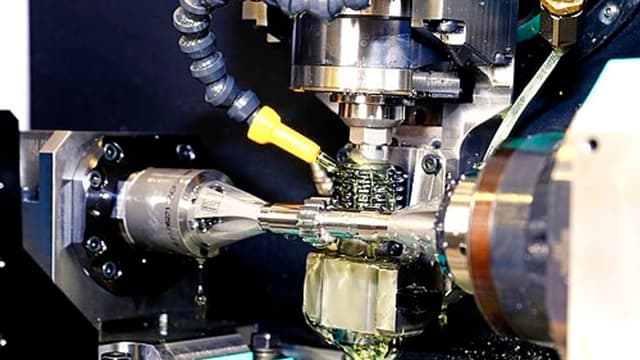
Preventive Maintenance Checklist for CNC Machines: Daily, Weekly, Monthly and Annual Tasks
A practical preventive maintenance checklist for CNC lathes and machining centres — daily operator checks, weekly and monthly maintenance, annual inspections — and how to digitise it with maintenance software.
Read article
Safety Stock and Reorder Level: How to Calculate Them for Raw Materials and Spares
How to calculate reorder levels and safety stock for raw materials, components and maintenance spares — lead time, consumption, variability and service level — with examples and common mistakes.
Read article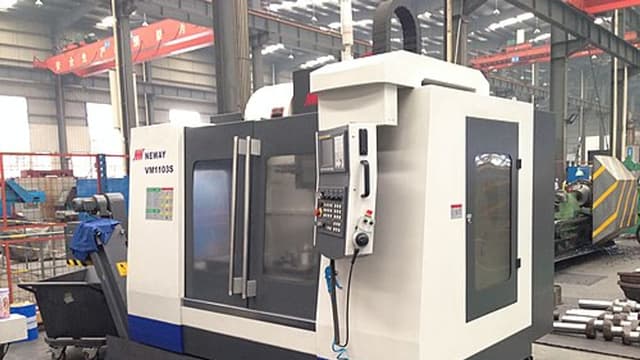
Machine Hour Rate Calculation: A Step-by-Step Guide for Manufacturers
How to calculate machine hour rates — depreciation, power, maintenance, tooling, space, labour and overheads — with a worked example, common mistakes and how rates improve quoting and job costing.
Read article
Heat Number Traceability for Steel Components: From Mill Certificate to Customer Dispatch
How manufacturers of forged, machined and fabricated steel components maintain heat number traceability — receipt, cutting, processing, heat treatment, inspection, packing and dispatch — and how software keeps the chain unbroken.
Read article
Demand Forecasting Methods for Small and Mid-Sized Manufacturers
Practical demand forecasting for SME manufacturers: moving averages, seasonality, trend, customer schedules and consensus planning — with accuracy measures, common mistakes and how software helps.
Read article
Job Costing for Job Shops: How to Know the Real Profit on Every Job
How job shops and make-to-order manufacturers calculate actual job cost — material, machine time, labour, outsourcing and overheads — compare it with the quote, and use the results to price better.
Read article
Manufacturing Quotation and Estimating: How to Quote Faster and More Accurately
A practical guide to manufacturing estimating — material, machine time, set-up, labour, outsourcing, overheads and margin — with common mistakes, win-rate tracking and how quotation software helps.
Read article
How to Calculate MTTR and MTBF: Maintenance Metrics Explained with Examples
MTTR and MTBF explained simply — formulas, worked examples, what counts as a failure, common mistakes, how the metrics relate to availability, and how maintenance software calculates them automatically.
Read article
Software for Forging and Casting Units: Heat Numbers, Melt Records, Yield and Traceability
How forging shops and foundries use software for raw material heat tracking, melt and heat-treatment records, die and pattern management, yield and rejection analysis, machining and customer traceability.
Read articleLet's build software that fits your business
Tell us about your process or idea. You'll get a free consultation and a clear, fixed quote — no obligation.
- Free consultation
- Prototype before you commit
- Fixed, itemised quote
- You own the software