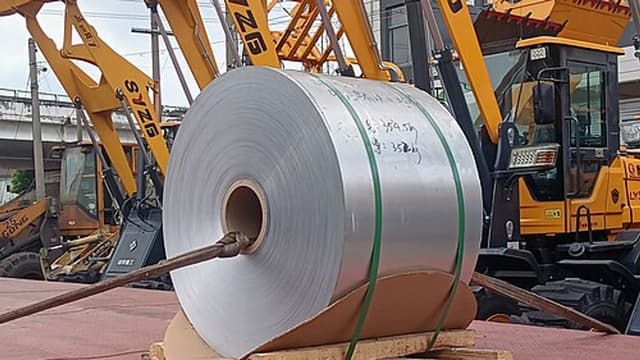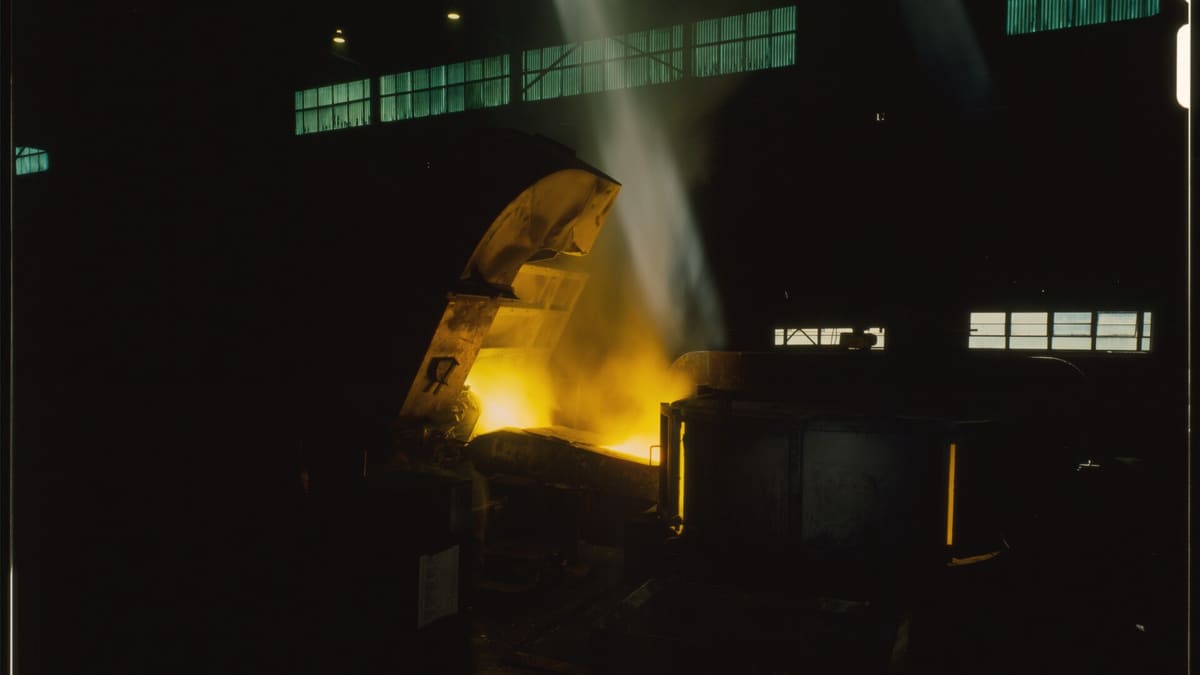
Forging shops and foundries sit at the start of many supply chains — automotive, pumps and valves, railways, earthmoving, energy. Their customers increasingly demand traceability from melt or bar heat number to finished part, along with test certificates and consistent quality. Meanwhile, the processes themselves involve heat, weight loss, rework and rejections that make yield and cost hard to track. Software designed around these realities makes a significant difference.
The forging flow
Bar or billet receipt with mill heat number and certificate → cutting to billets → heating → forging (open or closed die) → trimming → heat treatment → shot blasting → inspection (visual, dimensional, MPI or ultrasonic where required) → machining (in-house or outsourced) → final inspection → dispatch. Each stage changes the part and creates opportunities for defects and losses.
The foundry flow
Pattern and core making → moulding → melting with charge mix → chemistry check → pouring → cooling and knockout → fettling and grinding → heat treatment → shot blasting → inspection and testing → machining → dispatch. Melt records, chemistry and pouring data are central to quality.
Heat number traceability
The heat number is the backbone of traceability. In forging, it comes from the steel mill and must be recorded at receipt, cutting and every subsequent stage. In foundries, each melt creates a heat. Software that carries heat numbers through every stage — on job cards, bin labels and lot records — means any finished part can be traced back to its material, and any material problem traced forward to affected parts and customers. See heat number traceability.
Melt records and chemistry
Each melt records the charge mix (scrap, pig iron, returns, alloys), furnace, temperatures and times, and spectrometer chemistry results against specification. Out-of-spec chemistry triggers correction or holds the heat. These records support test certificates and help metallurgists understand variation.
Heat treatment records
Heat treatment cycles — hardening, tempering, normalising, annealing — are recorded per load with temperatures, times, quench details and the lots included. Hardness results are recorded per lot. For outsourced heat treatment, vendor records are attached to the lot.
Dies and patterns
Forging dies and casting patterns are expensive and wear with use. Tracking usage counts, maintenance, repair and condition per die or pattern — and linking them to the parts produced — helps plan re-sinking or repair before quality suffers. See tool and die management.
Yield and weight tracking
Yield drives cost. In forging, input billet weight versus net forging weight shows flash and scale loss. In foundries, metal poured versus good casting weight shows runner, riser and rejection loss. Recording weights at key stages makes yield visible by part, die or pattern, and highlights where design or process changes could save material.
Rejection analysis
Forging defects (laps, cracks, underfill, mismatch) and casting defects (porosity, shrinkage, blowholes, sand inclusion, cold shuts) are recorded by type, stage and part. Pareto analysis by defect, die or pattern, shift and heat shows where to focus. Linking defects to melt chemistry or process parameters supports root-cause analysis.
Machining and outsourcing
Many forgings and castings are machined before dispatch, in-house or by job workers. Tracking parts through machining — and to and from vendors — keeps the heat number chain intact and shows where parts are. See job work tracking.
Test certificates
Customers expect test certificates with chemistry, mechanical properties, heat treatment and inspection results per heat or lot. Generating them from recorded data saves time and avoids transcription errors.
Costing
True cost per part depends on material at actual yield, energy, labour, die or pattern cost, heat treatment, machining and rejections. Recording these per lot makes part-wise profitability visible — essential when negotiating prices with large customers.
Common problems this software solves
- Heat numbers lost between stages.
- Test certificates typed manually from multiple registers.
- Yield and rejection known only as monthly totals.
- Die and pattern wear causing sudden quality problems.
- Customer audits requiring days of preparation.
Where to start
- Heat number capture at receipt or melt, and on job cards.
- Stage booking with weights and rejections.
- Melt, chemistry and heat treatment records with certificates.
- Die and pattern management, costing and analytics.
Corposol builds manufacturing software for forging and casting units, including traceability and quality modules. Talk to us.
Energy and furnace utilisation
Heating furnaces and melting furnaces are among the largest energy consumers in forging and casting. Recording energy or fuel consumption per heat or shift, alongside tonnage produced, gives energy per tonne — a key cost and sustainability metric. Furnace utilisation and idle time show where scheduling changes could reduce energy waste.
Frequently asked questions
Can heat numbers be tracked through to dispatch?
Yes. Raw material or melt heat numbers are recorded at each stage — cutting, forging or pouring, heat treatment, machining, inspection — and linked to the customer dispatch.
Can melt chemistry results be recorded?
Yes. Spectro results per heat are recorded against specification limits, with approval before pouring or release.
Can die and pattern life be tracked?
Yes. Forging dies and casting patterns have usage counts, maintenance and repair history, and location records.
Can yield be measured per part?
Yes. Input weight, gross casting or forging weight, net weight after fettling or trimming, and rejections are recorded to calculate yield.
Can test certificates be generated?
Yes. Chemistry, mechanical test and heat treatment data populate your test certificate format per heat or lot.
Can returns and scrap be tracked back into the melt?
Yes. Foundry returns and scrap are recorded with weight and grade when they are charged into future melts, so charge mix and yield calculations stay accurate.
Can outsourced machining keep heat traceability?
Yes. Parts sent to machining vendors carry their heat or lot number on the challan, and returns are received against the same lot, keeping the chain intact.