
Manufacturing Articles & Guides — page 3
MES, ERP, OEE, quality, maintenance and shop-floor software for factories.
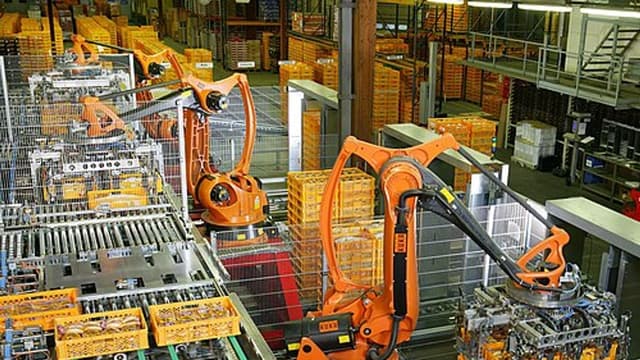
An Industry 4.0 Roadmap for Small Manufacturers: Practical Steps from Paper to Connected Factory
A staged, realistic Industry 4.0 roadmap for SMEs — digitising data capture, visibility, connected machines, integration, analytics and automation — with priorities, examples and how to avoid technology for its own sake.
Read article
Lubrication Management for Factories: Schedules, Routes and Records That Prevent Breakdowns
How to set up a lubrication programme — lubrication points, correct lubricants and quantities, schedules and routes, contamination control, records and oil analysis — and how digital lubrication routes improve reliability.
Read article
Kanban for Small Factories: Pull-based Replenishment for Materials, Components and WIP
How kanban works in small and mid-sized factories — card and bin systems, calculating kanban quantities, supplier and internal kanban, e-kanban with scanning, and when kanban works better than MRP.
Read article
WIP Tracking in Manufacturing: Knowing Where Every Job Is, Between Every Operation
How to track work in progress across operations — job travellers with barcodes, operation booking, WIP by stage and age, queue and wait times — and how WIP visibility improves lead times, delivery promises and cash flow.
Read article
Finite Capacity Scheduling Explained: Realistic Production Schedules for Job Shops and Plants
What finite capacity scheduling is, how it differs from infinite loading and MRP, the data it needs — routings, cycle times, setups, calendars — and how small manufacturers use it to set realistic delivery dates and reduce firefighting.
Read article
Shift Handover in Manufacturing: Passing On What Matters So the Next Shift Starts Right
How to run effective shift handovers in factories — what to communicate, structured handover checklists, digital handover logs, safety and quality issues, open jobs and machine status — so problems aren't lost between shifts.
Read article
First Article Inspection (FAI) and First-off Approval: A Practical Guide for Manufacturers
How first article inspection and first-off approval work — when they are required, what to measure, documenting results, customer FAI reports, approval workflows and how digital FAI reduces delays and escapes.
Read article
Customer Complaint Handling in Manufacturing: From Complaint to Root Cause to Prevention
How manufacturers should handle customer complaints — logging, containment, investigation, 8D and CAPA, communication with the customer, cost tracking and trend analysis — to protect relationships and prevent repeats.
Read article
Tool Life Management in Machining: Tracking Cutting Tools to Cut Cost and Prevent Defects
How machining companies manage cutting tool life — tool presetting, life limits by count or time, tool crib and issue tracking, regrinding, cost per part and linking tool wear to quality — with practical steps and examples.
Read article
Mould Maintenance for Injection Moulders: Shot Counts, PM Schedules and Mould History
How injection moulders manage mould maintenance — shot-count based preventive maintenance, mould history cards, repair tracking, storage, spare inserts and linking mould condition to defects and downtime.
Read article
Electronic Batch Records (EBR): Replacing Paper Batch Manufacturing Records in Process Industries
How electronic batch records work in pharma, nutraceutical, food, chemical and cosmetics manufacturing — recipe-driven steps, weighing and dispensing, in-process checks, deviations, review by exception and audit trails.
Read article
Line Balancing and Takt Time: Designing Assembly Lines That Flow
How to calculate takt time, measure cycle times by station, balance work across operators, handle model mix and variation, and use line data to keep assembly lines balanced as demand and products change.
Read article
How to Reduce Scrap and Rework in Manufacturing: Measuring, Analysing and Preventing Defects
A practical approach to reducing scrap and rework — capturing defects at source, cost of poor quality, Pareto analysis, root cause, process controls, error-proofing and tracking results — for small and mid-sized factories.
Read article
Manufacturing KPIs for Factory Managers: The Measures That Matter and How to Use Them
The essential manufacturing KPIs — safety, quality, delivery, cost and people — including OEE, first pass yield, on-time delivery, schedule adherence, inventory turns and cost per unit, with definitions, targets and review routines.
Read article
Poka-Yoke (Error-Proofing): Designing Mistakes Out of Manufacturing Processes
What poka-yoke is, types of error-proofing — contact, fixed-value and motion-step — physical and digital examples, how to choose where to error-proof and how to verify that error-proofing devices keep working.
Read article
5S in Manufacturing: Running 5S Audits That Sustain Results, Not Just Clean-up Days
What 5S means — sort, set in order, shine, standardise, sustain — how to implement 5S area by area, design audit checklists and scoring, use photos and digital audits, and keep 5S alive after the first enthusiasm.
Read article
Layered Process Audits (LPA): Verifying Critical Process Steps Every Day
How layered process audits work — short, frequent audits by multiple management layers on critical process controls, question design, schedules, handling non-conformances, and how digital LPA keeps audits on track.
Read article
How to Reduce Manufacturing Lead Time in Make-to-Order Factories
Practical ways to cut lead time from order to dispatch in make-to-order and job shop manufacturing — order processing, engineering, material, queue time, setups, batch sizes, bottlenecks and WIP limits — with measurement methods.
Read article
Digital Work Instructions for Manufacturing: Replacing Paper SOPs at the Workstation
How digital work instructions work — step-by-step guidance with images and video, revision control, model-specific steps, data capture and verification, multilingual support and linking instructions to quality and training.
Read article
Process FMEA (PFMEA): A Practical Guide to Finding Failure Risks Before They Reach Customers
How to run a process FMEA step by step — scoping, process flow, failure modes, effects and causes, severity, occurrence and detection ratings, action priority, and keeping the FMEA alive after launch.
Read article
Control Plans in Manufacturing: How to Write One Operators Can Actually Follow
What a control plan is, what columns it contains, how it links to the PFMEA and process flow, how to set sample sizes, frequencies and reaction plans, and how to turn it into usable shop-floor checks.
Read article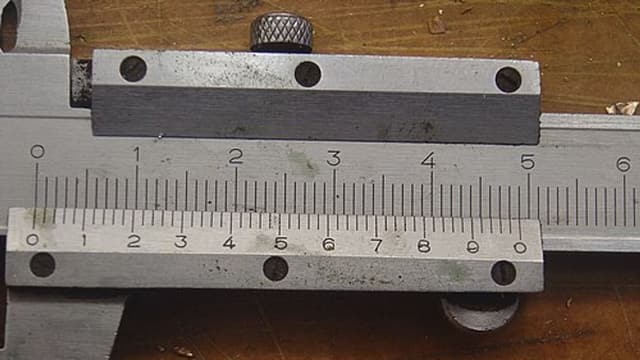
Measurement System Analysis and Gauge R&R: Can You Trust Your Measurements?
Why measurement errors cause wrong decisions, the parts of a measurement system, how to run a gauge R&R study step by step, how to interpret results, attribute agreement studies and what to do when a gauge fails.
Read article
PPAP Explained: Production Part Approval for Suppliers Without the Panic
What PPAP is, the typical PPAP elements and submission levels, how to plan a PPAP from the first quote, run the production trial, assemble evidence, and manage changes that need re-approval.
Read article
Cost of Quality in Manufacturing: Measuring What Poor Quality Really Costs You
The four categories of cost of quality — prevention, appraisal, internal failure and external failure — how to collect the data without an army of accountants, hidden costs to include, and how to use COQ to justify improvement.
Read article
Permit-to-Work Systems: Controlling High-Risk Maintenance and Contractor Jobs
What a permit-to-work system is, which jobs need a permit, the permit lifecycle from request to close-out, roles and responsibilities, isolation and gas testing, contractor control, and common failures that lead to incidents.
Read article
Lockout/Tagout (LOTO): Writing Machine-Specific Isolation Procedures That People Follow
Why lockout/tagout matters, the types of hazardous energy, the steps of a LOTO procedure, writing machine-specific procedures with photos, group lockout, verification, shift changes, contractor lockout and auditing.
Read article
Maintenance Planning and Scheduling: Getting More Wrench Time From the Same Team
The difference between maintenance planning and scheduling, how to build job plans and kits, weekly scheduling with production, backlog management, measuring schedule compliance and wrench time, and starting small.
Read article
Maintenance Work Order Prioritisation: Stop Treating Every Job as Urgent
Why maintenance priorities break down, how to define clear priority levels, use asset criticality and consequence in a priority matrix, set response times, handle escalations and review priorities to keep them honest.
Read article
Near-Miss Reporting in Manufacturing: Building a Culture Where People Speak Up
Why near misses matter, what counts as a near miss, making reporting fast and blame-free, triage and investigation, closing the loop with reporters, useful metrics and how to keep reporting going.
Read article
Value Stream Mapping for Small Manufacturers: See Where Your Lead Time Really Goes
How to draw a current-state value stream map — choosing a product family, walking the process, collecting data boxes, inventory and information flows, the timeline — then designing a future state and an action plan.
Read articleLet's build software that fits your business
Tell us about your process or idea. You'll get a free consultation and a clear, fixed quote — no obligation.
- Free consultation
- Prototype before you commit
- Fixed, itemised quote
- You own the software