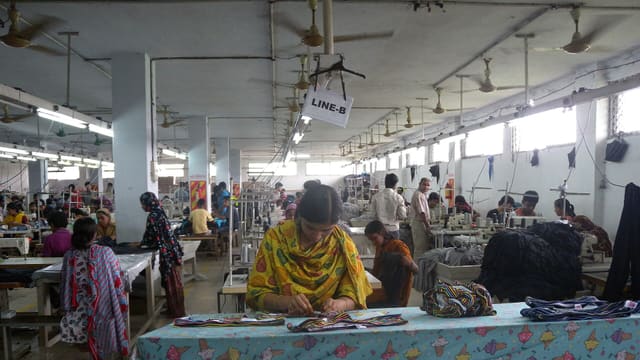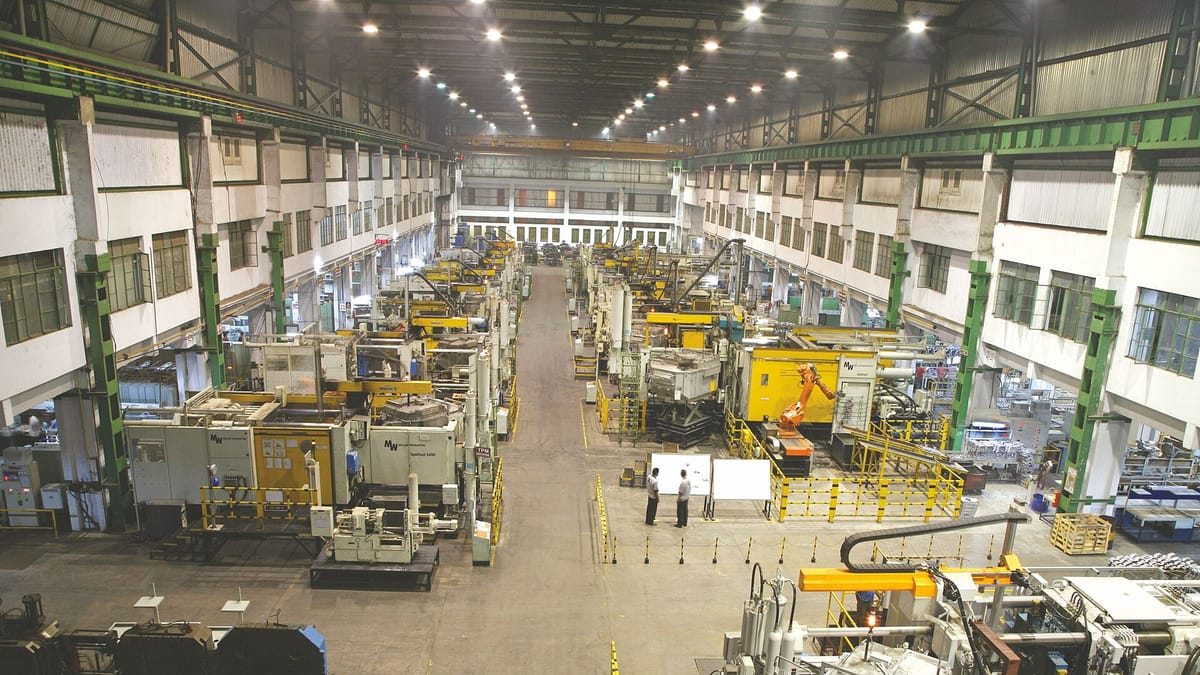
Pune and its surrounding industrial areas — Pimpri-Chinchwad, Bhosari, Chakan, Talegaon, Ranjangaon and others — form one of India's largest automotive manufacturing regions. Vehicle and engine makers are surrounded by tier-1 system suppliers, and those in turn depend on a large base of tier-2 and tier-3 suppliers: machine shops, press shops, forging and casting units, sheet-metal fabricators, plastic moulders, rubber parts makers, platers and painters. Many of these suppliers are SMEs with tens or a few hundred employees.
Supplying the automotive industry imposes requirements that general-purpose software rarely handles well: changing delivery schedules, just-in-time supplies, strict traceability, formal approval of parts and processes, and constant measurement of delivery and quality. This guide explains what software a Pune tier supplier needs and how to introduce it.
Customer schedules and releases
Automotive customers rarely place a single order and wait. They issue a blanket order with rates for the year, then release quantities through rolling schedules — monthly, weekly or daily — that change as their own production plans change. A supplier may receive a new schedule every week for each part, with firm quantities for the near term and forecasts beyond.
Software must:
- Hold blanket orders with part numbers, revisions and rates.
- Record each schedule version and show changes from the previous one.
- Compare the schedule with finished-goods stock, WIP and planned production.
- Highlight parts at risk of shortage against firm quantities.
- Track dispatches against schedules and cumulative quantities.
Where customers send schedules as files or through portals, they can often be imported; the practical options depend on each customer and are confirmed during scoping.
JIT, kanban and frequent deliveries
Many suppliers deliver daily or several times a day, often in customer-specific returnable bins with kanban cards or labels. Software should plan dispatches by delivery window, generate customer-specific labels, track returnable packaging (how many bins are at the customer, in transit and at your plant) and record each delivery's quantity and lot. Running short of returnable bins is a surprisingly common reason for missed deliveries. See our guide to kanban for small factories.
Traceability
Automotive customers expect suppliers to trace any delivered lot back to its raw material, production conditions and inspections, and forward to every delivery that contains parts from a suspect lot. Practical traceability for a tier supplier means:
- Raw material received with heat or lot numbers and certificates.
- Material issued to work orders by lot.
- Production lots with machine, shift, operator, tool and inspection records.
- Outside processes — heat treatment, plating — with the vendor's lot and certificate.
- Finished lots labelled and linked to each dispatch.
When a customer raises a concern, containment is then a matter of minutes rather than days. See our guides to lot traceability and handling OEM customer rejections.
PPAP, change control and documents
New parts and changes to existing parts go through a formal approval process with the customer. The supplier prepares documents such as process flow, PFMEA, control plan, measurement results, capability studies, material certificates and samples. Approval belongs to the customer; the supplier's job is to keep the evidence organised and current. Software helps by holding, for each part and revision: the approved documents, the records behind them, and the history of changes and approvals. When any process change is planned — a new machine, a new material source, a new plating vendor — the system can prompt the change-notification step the customer requires. See our PPAP guide and control plan guide.
Shop-floor execution
Tier suppliers typically run high-volume repetitive production on dedicated or semi-dedicated machines and lines. Useful shop-floor records include output per hour against target, downtime with reasons, setups with first-off approval, in-process checks for critical characteristics, and tool changes. OEE by machine is a common internal and customer metric. See our guides to OEE and in-process quality inside the MES.
Customer scorecards: delivery and PPM
Automotive customers rate suppliers regularly on delivery performance and quality (PPM), and ratings influence future business. Suppliers should calculate the same measures from their own records — on-time delivery against schedules, and PPM from customer rejections against quantities supplied — so they can check customer figures, see trends early and act. Internal rejection rates, which predict customer PPM, belong in the same review.
Multi-plant and multi-customer operations
Successful tier suppliers often grow into several plants — near different customers or for different processes — and supply several OEMs and tier-1s, each with its own portals, labels, packaging and requirements. One system with plant-level stock and production, customer-level rules for labels, packaging and documents, and group-level reporting avoids running each plant and customer as a separate world.
Engineering changes and revision control
Automotive parts change often: drawing revisions, material changes, tolerance changes, new variants for new vehicle models. Each change has an effective point — a date, a quantity or a serial number — after which only the new revision may be shipped. Software must manage revisions per part, show the floor which revision to make, block old-revision stock from dispatch after the effective point unless the customer has agreed otherwise, and record the first lot made to each new revision. Mistakes here are among the most serious a supplier can make.
Customer portals and ASNs
Many OEMs and tier-1 customers require suppliers to use their portals for schedules, advance shipping notices, invoices and quality communication. Each portal has its own format and steps. Where a portal allows file uploads or other connections, data can be prepared from your system; otherwise, your system can produce the information in a form that makes portal entry quick and accurate. We check each customer's portal requirements during scoping rather than assuming what is possible.
Safety stock and buffer planning
Because schedules change and deliveries are frequent, suppliers keep buffers of finished goods for critical parts. The right buffer depends on schedule variability, production lead time and the cost of a missed delivery. With schedule history, production records and dispatch data in one place, buffers can be set from evidence and reviewed regularly, rather than kept at levels inherited from years ago. See our guide to safety stock and reorder levels.
Sub-tier suppliers and outside processes
Tier-2 and tier-3 suppliers depend on their own suppliers for material, castings, forgings and outside processes such as heat treatment and plating. Customers expect the same discipline down the chain: approved sources, certificates, traceability and change notification. Recording approved vendors per part and process, vendor lots and certificates against each lot, and vendor quality ratings lets you show customers how you control your own supply base. See our guide to supplier rating.
Capacity for new business
Pune's automotive suppliers are regularly asked to quote for parts on new vehicle programmes. Each quote raises the question: do we have the capacity, on which machines, at what volumes, and when? Machine load from current schedules and real cycle times — from shop-floor records rather than estimates — gives a credible answer and helps decide whether new business needs new machines. It also gives realistic cycle times for the quotation itself, which protects margins over the life of the programme.
Audits and customer visits
Automotive customers audit suppliers regularly — process audits, product audits, system audits and visits after quality concerns. Auditors trace lots through records, check control plan adherence at the line, review change control and examine how complaints were handled. When these records live in one system and can be retrieved by the people responsible for each process, audits become demonstrations rather than preparation projects. See our guide to keeping quality records ready for audits.
A worked example
A Chakan-based tier-2 supplier of machined and plated brackets and housings supplied three tier-1 customers. Schedules arrived weekly by email and were entered into a spreadsheet; dispatches were planned from it, and finished-goods stock was counted by hand each morning. Twice in a quarter, the company missed a firm delivery because a schedule change was overlooked, and a customer rejection took days to contain because lot labels were not linked to production records.
The supplier introduced schedule records with version comparison, finished-goods stock by part and lot with labelled bins, dispatch against schedules, and lot traceability from bar stock to dispatch. Schedule changes were highlighted on the first day, the shortage list replaced the morning count, and the next customer concern was contained within an hour from lot records. Returnable bin tracking, added later, resolved a recurring argument with one customer about bin counts.
What to digitise first
- Blanket orders, schedules and dispatch with finished-goods stock by part and lot.
- Lot traceability from material receipt to dispatch.
- Shop-floor booking with downtime, rejections and first-off approval.
- Quality records: in-process checks, NCRs, customer complaints and 8D.
- Documents and change control per part and revision.
- Returnable packaging and customer scorecards.
Measures to review weekly
- On-time delivery against firm schedules, by customer.
- Customer PPM and internal rejection rate, by part.
- Shortage risk for the next two weeks.
- OEE for bottleneck machines.
- Open customer complaints and overdue actions.
- Returnable packaging balances by customer.
Questions to ask a software partner
- How will rolling schedules be stored, compared and planned against?
- Can our customers' schedule formats be imported?
- How will lots be traced from material to dispatch?
- How will customer-specific labels and returnable packaging be handled?
- How will documents and changes be controlled per part and revision?
- Who owns the code and the data?
Language and people
Shop-floor staff in Pune plants often prefer Marathi or Hindi. Production, inspection and dispatch screens in those languages, on tablets with scanning, make accurate recording practical. Engineers and quality staff dealing with customers typically use English. The same records serve both.
Aftermarket and spares supply
Many tier suppliers also supply service parts — to OEM spares divisions or the aftermarket — for vehicles that may be out of production. These orders are smaller and irregular, but must be made to the correct revision with the same traceability. Keeping service-part requirements, packing and labels per customer in the same system avoids treating spares as an afterthought that disrupts production planning.
Start where customers notice
Customers notice two things first: whether deliveries arrive as scheduled, and how quickly you contain a quality concern. A first phase covering schedules, finished-goods stock by lot and dispatch, together with lot traceability from material to dispatch, improves both immediately. Shop-floor booking, quality records, documents and returnable packaging follow, each building on the same data.
Keep each phase small enough to be fully used, and involve the people who deal with customers daily — dispatch, quality and planning — in shaping the screens.
Pune's automotive base rewards suppliers who are reliable and transparent. Software that makes schedules, lots and quality records visible to your own team first is what lets you show that reliability to customers.
Working with Corposol
Corposol builds custom manufacturing software for Indian automotive suppliers — schedules and dispatch, lot traceability, shop-floor booking, quality and documents — designed around each supplier's customers and processes and rolled out in phases. Read our use case for an auto component supplier. All custom code is transferred to you on final payment.
Frequently asked questions
What makes automotive supply different from other manufacturing?
OEM and tier-1 customers send rolling delivery schedules that change frequently, expect just-in-time deliveries, require part-level traceability and approval of any process change, and measure suppliers on delivery and PPM. Software must handle all of this routinely.
Can software read customer schedules automatically?
Some customers provide schedules through portals or files that can be imported; others send them by email. We check the formats your customers use during scoping and confirm what can be imported.
Does software help with PPAP?
It keeps the documents and records that a PPAP submission draws on — control plans, PFMEA, inspection results, capability data, material certificates — organised by part and revision, so submissions and resubmissions are faster. Approval remains with the customer.
Where should a Pune tier supplier start?
Usually with schedules, dispatch and finished-goods stock against releases, together with lot traceability from material to dispatch — the two things customers notice first.