For a manufacturing SME supplying OEMs or export customers, audits are part of life: certification audits for a quality management standard, customer supplier audits before and after approval, process audits after a complaint, and surveillance visits every year. Each audit follows the same pattern: the auditor picks a part, a lot or a date and asks to see the records. Inspection results for that lot. Calibration of the gauge used. Training of the operator who made it. The NCR raised when the lot had a problem. The CAPA that followed.
In many factories, preparing for an audit means weeks of searching through files, filling gaps and tidying registers. This guide explains which records audits typically examine, why SMEs struggle to produce them, and how to keep them organised as part of daily work so that an audit becomes a demonstration rather than a scramble. Software cannot make you certified — that depends on your processes and your certifying body — but it can make your records complete and retrievable.
What auditors ask for
Requirements vary by customer and standard, but most audits trace through the same chain of records:
- Customer requirements — the drawing and its revision, specifications, the purchase order and any special characteristics.
- Planning — the control plan, process flow, PFMEA and inspection plan for the part.
- Incoming material — supplier certificates, incoming inspection results, and the supplier's approval status.
- Production — which machine, operator, material lot and date produced the lot; setup approvals and first-off inspection.
- Inspection — in-process and final inspection results, with the gauges used.
- Calibration — status and certificates of those gauges at the time of use.
- Competence — training and skill records of the operators and inspectors involved.
- Non-conformance — NCRs, dispositions, CAPA and 8D reports, customer complaints.
- Documents — current revisions of procedures, work instructions and inspection standards, and the history of changes.
- Review — internal audits, management reviews and the actions from them.
The key word is trace. Auditors rarely ask for a whole file; they pick one item and follow its links. Each record must point to the next.
Why SMEs struggle
- Records exist but are scattered — inspection reports in one file, calibration in another, training in HR, NCRs in quality's Excel.
- Links are missing — the inspection report doesn't say which gauge was used; the NCR doesn't say which lot.
- Records are filled later — copied from rough notes at the end of the shift, with the risk of errors and gaps.
- Revisions are uncontrolled — an old work instruction is still at the machine.
- Retrieval takes too long — finding one lot's inspection record from eighteen months ago means searching through boxes.
Principle 1: record at the point of work
The single most effective change is to record quality data when and where it is generated: inspection readings on a tablet at the inspection point, first-off approvals at the machine, NCRs raised at the moment of rejection. Records made at the point of work carry automatic timestamps, the user who made them and the links to the job, part and lot — the very things auditors check. Records copied later carry none of these reliably.
Principle 2: link everything to the lot
Design records so that the production lot (or work order) is the hub. From a lot, it should be possible to see its material lots and certificates, the machines and operators, the inspection results, the gauges used, any NCRs, and the dispatch. Our guide to lot traceability explains how. With this structure, the auditor's typical question — "show me everything about this lot" — is answered from one screen.
Principle 3: control documents in one place
Procedures, work instructions, inspection standards and drawings should live in one controlled store, with revision, approval, effective date and change history. Shop-floor screens should show the current revision automatically, so obsolete printed copies are not needed. When a document changes, the system records who approved it and why, and which training may be needed. See our document management software page.
Principle 4: make calibration status visible at use
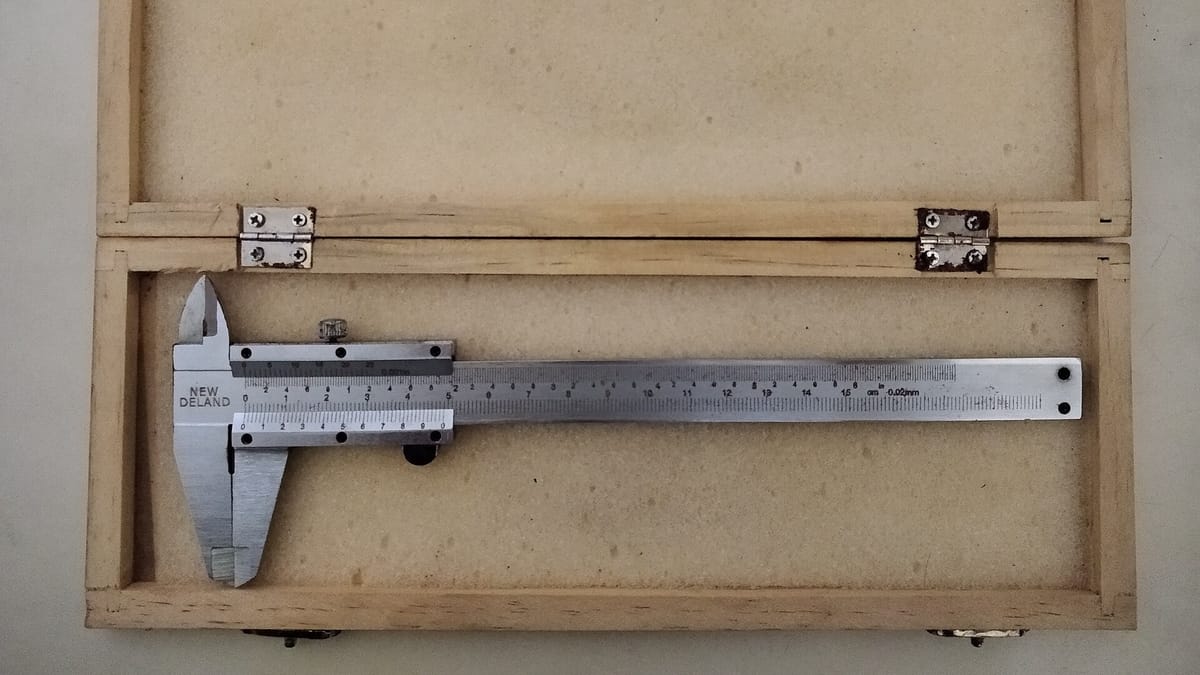
Each gauge has a number, a calibration due date and a certificate. When an inspector records readings, recording the gauge number — by scanning it — links the reading to the gauge's calibration status at that time. Overdue gauges should be flagged before they are used. If a gauge is later found out of calibration, the system can list every lot inspected with it since its last good calibration, which is exactly what an auditor will ask. Our calibration management guide covers the process.
Principle 5: competence linked to work
Training records — who is trained and approved for which operation or inspection — should be linked to the people who actually do the work. If the shop-floor system knows who ran each job, it can check (or at least report) whether that person was qualified for the operation. Our guide to operator skill matrices and training records describes the structure.
Principle 6: NCR and CAPA closed with evidence
Auditors look closely at non-conformance handling: was the NCR raised, was the material contained and dispositioned by an authorised person, was root cause found, were actions taken, and is there evidence that they worked? Open NCRs and overdue actions are among the most common audit findings. A system that tracks each NCR and action to closure, with owners, dates and attached evidence, and that shows overdue items in weekly reviews, prevents most of them.
Retention and retrieval
Customers and standards set how long records must be kept, sometimes for many years for parts with long service lives. Digital records make long retention cheap; the important thing is that they remain searchable — by lot, part, date, customer, gauge, operator — for the whole period. Confirm retention requirements with your customers and advisers, and make sure backups are tested so that old records can actually be restored.
Preparing for an audit
When records are kept this way, preparation is short:
- Review the customer's or standard's checklist and identify the processes to be audited.
- Run a mock trace: pick three random lots and follow them through every record.
- Check open NCRs, overdue CAPA actions, overdue calibrations and expired training.
- Close or explain what you can; have evidence ready for the rest.
- Make sure the people who will be interviewed can find records themselves on the system.
Auditors are generally reassured when the person responsible for a process can retrieve its records directly, rather than relying on the quality manager to find everything.
During the audit
Show records on screen rather than printing piles of paper. Let the auditor choose the lot or date; trace it live. When a gap is found, record it honestly as a finding and an action — trying to cover a gap is much worse than admitting it. After the audit, findings become CAPA actions in the same system, with owners and due dates, and their closure becomes evidence for the next audit.
Internal audits
Internal audits are the best preparation for external ones. A simple internal audit programme — each process audited at a defined frequency, with checklists, findings and actions recorded — keeps records in shape all year. Layered process audits, where supervisors and managers do short daily or weekly checks at the line, catch problems in documentation and practice long before an auditor does.
Supplier records
Auditors increasingly look beyond your own factory to how you control your suppliers. Expect questions about how suppliers are approved, how their performance is monitored, what happens when they deliver non-conforming material, and how special processes such as heat treatment and plating are controlled at job-work vendors. Records that answer these questions — approved supplier lists with approval evidence, incoming inspection results, supplier NCRs, ratings and certificates linked to each lot — should live in the same system as your own quality records. Our guide to supplier rating and vendor scorecards describes how to structure the ratings.
Customer-specific requirements
Many OEM customers have their own requirements on top of general standards: specific report formats, special characteristics marked on drawings with defined inspection frequencies, retention periods, notification of process changes and annual requalification. Keep each customer's specific requirements as a checklist linked to the customer, and make sure inspection plans for their parts include their special characteristics. When a customer's auditor asks how you meet their requirements, being able to show the checklist and the linked records is far more convincing than a general explanation.
Change management
A frequent audit topic is how changes are controlled: changes to the process, machine, material, supplier, location or drawing. Customers often require notification and approval before such changes. Record each change with its reason, risk assessment, approvals, customer notification where required, the date it took effect and the first lots produced after it. When an auditor asks "what changed on this part in the last year?", the answer should take seconds.
Who should be able to find records
In many SMEs only the quality manager knows where records are. When that person is unavailable during an audit, or leaves the company, the records become hard to find. Design access so that the people responsible for each process — production supervisors, inspectors, stores, maintenance — can retrieve their own records, with permissions that let them view but not alter approved ones. This spreads the knowledge, makes interviews during audits go better, and reduces dependence on one person.
A worked example
A supplier of machined components to an automotive OEM spent about three weeks before each annual customer audit gathering records. In one audit, the auditor picked a lot from the previous year and asked for the calibration certificate of the bore gauge used in final inspection. The inspection report didn't record which gauge was used, and the team could not show that the gauge used had been in calibration — a significant finding.
The supplier moved final and in-process inspection to tablets, with gauges scanned at each inspection, and linked inspection to work orders and material lots. NCRs and CAPA moved from Excel to the same system. At the next audit, the auditor's traces were answered from the screen, including gauge calibration status at the time of each inspection. Preparation took a few days instead of weeks, and the earlier finding was closed with evidence.
The habit that makes all of this work is simple: record at the moment of work, link to the lot, and close every open item. Audits then take care of themselves.
Start with the process your customers audit most often — usually final inspection — and extend from there, one record type at a time, until every trace an auditor might choose can be followed on screen.
Working with Corposol
Corposol builds custom quality management software for Indian manufacturers — inspection, NCR, CAPA, calibration, training and document records linked to production — as part of our manufacturing software work. We keep records organised and retrievable; certification itself remains between you and your certifying body. All custom code is transferred to you on final payment.
Frequently asked questions
Which records do auditors usually ask for?
Typically: inspection records for specific lots, control plans and inspection plans, NCRs and their dispositions, CAPA and 8D reports, calibration records for the gauges used, training and skill records for operators, document revision history, supplier evaluations and records of management review. The exact list depends on the customer and standard.
Will software make us certified?
No. Certification depends on your processes and on your certifying body. Software keeps records complete, consistent and easy to retrieve, which makes demonstrating your processes much easier.
How long should quality records be kept?
As long as your customers, the standards you follow and applicable regulations require — often several years, and longer for parts with long service lives. Confirm retention periods with your customers and advisers.
Can we keep scanned paper records instead?
Scans are better than lost paper, but they can't be searched by lot, part or reading. Digital records entered at the point of inspection are much easier to retrieve and analyse.