Coimbatore is one of South India's great manufacturing cities. It has a long tradition of textile mills and textile machinery, and it is known across India for pumps, motors, wet grinders and castings. Hundreds of foundries, machine shops and engineering SMEs supply these industries and the automotive sector, while the neighbouring towns of Tiruppur and Karur add large knitwear and home textile clusters. This guide describes what software these businesses typically need and how Corposol works with them.
Coimbatore's manufacturing base
- Textile mills — spinning, weaving and processing units in and around the city and across the western Tamil Nadu belt.
- Textile machinery and spares — machinery makers and their component suppliers.
- Pumps and motors — a large cluster of pump, motor and valve manufacturers. See our separate guide: software for pump and motor manufacturers in Coimbatore.
- Foundries — grey iron, SG iron and other castings for pumps, motors, automotive and general engineering.
- Wet grinders and appliances — product companies with assembly and dealer networks.
- Engineering SMEs — machine shops and fabricators in SIDCO Kurichi, Ganapathy, Peelamedu, Kaniyur, Arasur, Malumichampatti and other estates.
- Tiruppur and Karur — knitwear and home textiles for export and domestic markets. See software for knitwear manufacturers in Tiruppur.
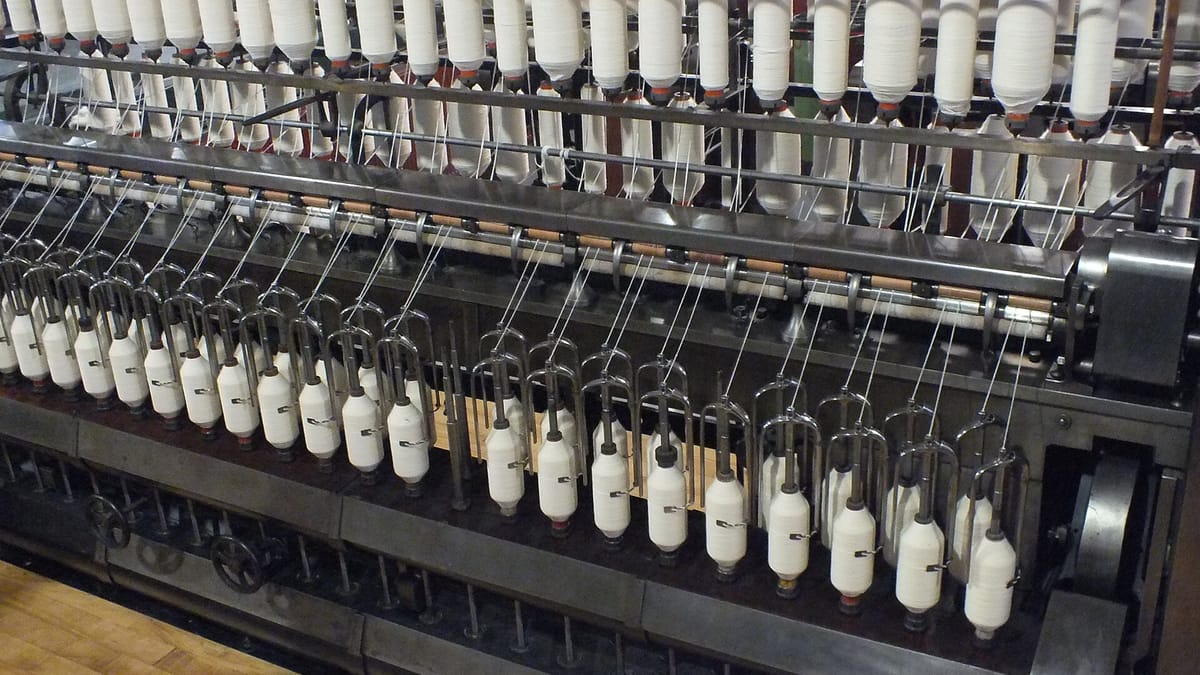
Spinning mills and textile units
Spinning mills run continuously across many machines, and small losses add up. Software that helps mills includes:
- Production by machine and shift — blowroom, carding, drawing, combing, simplex, ring frame and winding, with hank or kilogram output.
- Count-wise and lot-wise tracking — from cotton mixing to yarn packing, so a customer complaint can be traced.
- Waste tracking — department-wise waste against norms.
- Quality records — test results by count and lot.
- Efficiency and utilisation — speed, stoppages and doffing, linked to machine monitoring where practical.
- Order-wise despatch — yarn stock by count and lot against customer orders.
See software for textile and garment manufacturers.
Foundries
Foundries live and die by rejection and yield. Software that makes a difference:
- Melt and heat records — charge mix, chemistry and temperature per heat.
- Moulding and pouring — castings poured per pattern and heat.
- Rejection by defect — blowholes, sand inclusion, shrinkage, cold shuts and others, by pattern, so the worst problems are fixed first.
- Fettling and machining — tracking castings through finishing, often with outside machining as job work.
- Pattern management — location, condition and shot counts.
- Weight-based costing — actual metal, yield and rejection per casting.
See software for forging and casting units and how to reduce rejection rate.
Engineering SMEs and job shops
Machine shops and fabricators supplying pump makers, textile machinery and automotive customers need quotations and job costing, job cards and production booking, job work challans for heat treatment and plating, inspection, and on-time delivery tracking. See software for engineering job shops and job work challans and balances.
Product companies: wet grinders, appliances and equipment
Product companies need BOMs and assembly, serial numbers, testing records, dealer orders and dispatch, and warranty and service after sale. Our BOM software and traceability guides cover these.
A typical first phase for a foundry
Consider a foundry pouring grey and SG iron castings for pump and motor makers. Heat records are in registers, rejection is counted at month end, and costing uses a standard rate per kilogram. A first phase might include:
- Heat records with charge mix and chemistry.
- Daily moulding and pouring by pattern.
- Rejection entry by defect type at fettling and inspection.
- Dispatch against customer orders with weights.
- A daily dashboard of output, rejection by pattern and defect, and yield.
Pattern management, job work for machining and casting-wise costing follow later.
A typical first phase for a spinning mill
- Department-wise production entry by machine and shift.
- Count and lot tracking from mixing to packing.
- Waste by department against norms.
- Yarn stock by count and lot, linked to orders.
- Daily efficiency and waste reports for the mill manager.
Questions we ask on the first visit
- Which figure — rejection, waste, efficiency or delivery — would you most like to improve this year?
- How are production and rejection recorded today, and who compiles the reports?
- What do customers ask for that takes too long to produce?
- Which work goes outside as job work, and how are balances tracked?
- Which language and devices will operators and supervisors use?
How we work with Coimbatore factories
Corposol is based in Bengaluru and visits factories on-site across India. For Coimbatore, Tiruppur and Karur clients we hold discovery workshops at the plant, walk the process with supervisors, run design reviews and demos by video, and return for user acceptance testing and rollout. Support afterwards is remote, with visits when needed.
Getting started
We build custom manufacturing software — MES, planning, quality, job work and costing — in phases, and transfer all custom code on final payment. Contact us to discuss your plant in Coimbatore.
Frequently asked questions
Do you visit factories in Coimbatore?
Yes. Corposol is based in Bengaluru and visits factories on-site across India, including Coimbatore, Tiruppur and Karur, for discovery, user acceptance testing and rollout. Between visits we work by video call and remote access.
What software do spinning mills need?
Mills typically need production by machine and shift, count-wise and lot-wise tracking from mixing to packing, waste tracking at each department, quality test records, and efficiency and utilisation reporting.
What software do foundries need?
Foundries usually need melt and heat records, pouring and casting counts, rejection by defect type, fettling and machining tracking, pattern management, and weight-based costing per casting.
Can the software be used in Tamil?
Yes. Shop floor screens can show labels in Tamil, or in both Tamil and English, while reports for management stay in English.