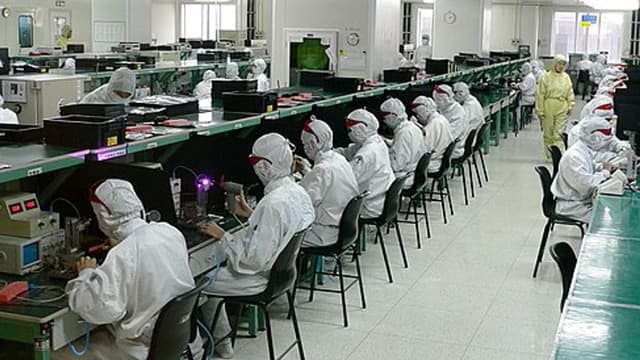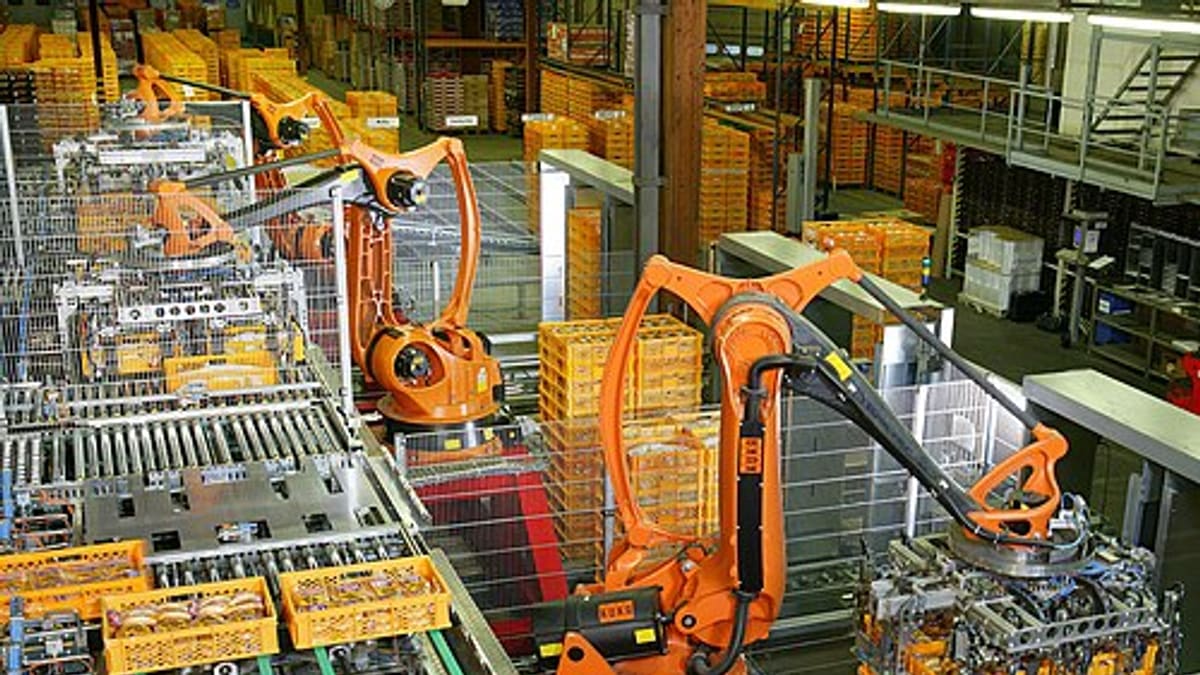
"Industry 4.0" conjures images of robots, AI and lights-out factories. For a small or mid-sized manufacturer with paper job cards and a mix of old and new machines, that picture can feel distant or irrelevant. But Industry 4.0 is better understood as a journey from paper to data-driven decisions — and most of its value for SMEs comes from the early, practical steps.
Stage 0: Know where you are
Assess honestly: how is production data captured today? How quickly do managers know when something goes wrong? How long does it take to answer a traceability question? Where does information get re-typed? This baseline shows where the biggest gaps are.
Stage 1: Digitise data capture
Replace paper job cards, registers and spreadsheets with digital capture at source: operators book jobs, stops and rejects on tablets; stores scan receipts and issues; inspectors record checks digitally. This is the foundation for everything else. Without reliable data, later stages have nothing to build on. See digital shop floor and paperless job cards.
Stage 2: Visibility
With data flowing, build dashboards and boards: live job status, OEE by machine, rejects by defect, WIP by stage, orders at risk. Use them in daily meetings. This stage often delivers the largest early gains because managers can finally see — and act on — what is happening. See tier meetings.
Stage 3: Connected machines
Connect key machines to capture run/stop, counts and cycle times automatically — via controllers where possible and retrofit sensors on older machines. Machine data improves accuracy and reveals small stops and speed losses that operators can't record. See retrofitting old machines.
Stage 4: Integration
Link shop floor data with planning, inventory, quality and finance. Work orders flow from ERP to MES; production and consumption flow back. Quality data links to batches and serial numbers. Integration removes re-keying and makes data consistent across functions, where the systems involved provide interfaces to do so.
Stage 5: Analytics
With months of reliable, connected data, deeper analysis becomes possible: correlations between process parameters and defects, condition trends predicting failures, demand patterns improving planning. Statistical methods and, where justified, machine learning add value here — but only on top of good data.
Stage 6: Automation and closed loops
Finally, some decisions can be automated: scheduling adjustments, automatic material calls, parameter adjustments within limits, robots for repetitive tasks. This stage requires stable processes and trusted data, which is why it comes last.
Prioritising within the roadmap
You don't need to complete each stage across the whole factory before moving on. A common pattern is to take one line or area through stages 1–3 quickly, prove the value, then extend. Prioritise by business impact: start where losses, scrap or delivery problems are largest.
People and skills
Technology is the easier part. Operators need training and a reason to trust the new tools; supervisors need to use data in daily routines; managers need to make decisions based on it. Appoint internal champions, involve operators early and share results visibly.
Cybersecurity from the start
Connecting machines and systems introduces risks. Separate production networks from office networks, control remote access, change default passwords on devices, keep software updated and back up data. These basics should be part of stage 1, not an afterthought.
An example roadmap
A mid-sized auto components maker started with tablets on its machining lines for job booking, stops and rejects (stage 1) and daily OEE boards (stage 2). Within months, OEE improved through faster response to stops and setups. It then connected its CNCs and added current sensors to older machines (stage 3), integrated work orders and stock with its ERP (stage 4) and, after a year of data, began analysing tool wear patterns to optimise tool change intervals (stage 5). Each stage paid for the next.
Getting started
Assess your current state, choose one line or area with clear losses and digitise data capture there first. Put the data on daily boards and use it in meetings. When the routine is stable and the benefits are measured, move to connected machines and integration.
Common mistakes
- Starting with advanced technology before basic data is reliable.
- Buying sensors without a plan to use the data.
- Rolling out across the whole factory at once.
- Ignoring operators' needs and training.
- Neglecting security when connecting devices.
How we help
We build the software layers of Industry 4.0 for SMEs — shop floor data capture, MES, machine monitoring and integration — in stages that deliver results early. See IoT manufacturing platform and MES software.
Talk to us about your Industry 4.0 roadmap.
Measuring progress
Track a small set of outcomes rather than technology milestones: OEE on key machines, scrap rate, on-time delivery, lead time, time to answer a traceability query and hours spent on manual reporting. If these improve stage by stage, the roadmap is working; if they don't, adding more technology won't help.
Frequently asked questions
Is Industry 4.0 relevant for small factories?
Yes, when approached in stages. Most SMEs gain the biggest benefits from the early stages — digital data capture and visibility — long before advanced analytics or automation.
Where should we start?
With the problems costing you most: lost capacity, scrap, late deliveries or poor traceability. Digitise data capture around those first.
Do we need AI?
Not to start. Reliable data and the habit of using it come first. Advanced analytics only adds value on top of good data.
How long does an Industry 4.0 journey take?
It's ongoing. Each stage can deliver results within months, and the next stage builds on it.
What about cybersecurity?
As machines and systems connect, basic security — network segmentation, access control, updates and backups — becomes essential from the first stage.