Some of the most serious industrial incidents happen not during normal production but during maintenance: a welder sparks a fire near flammable residue, a fitter opens a line that wasn't fully depressurised, two teams work on the same system without knowing about each other. A permit-to-work (PTW) system exists to stop exactly these situations. It ensures high-risk non-routine work is planned, hazards are controlled and everyone involved knows what is happening.
This guide explains how a PTW system works in practice. It is general guidance; your own risk assessments and the regulations that apply to your site define your specific requirements.
What a permit is for
A permit is not just a form. It is a communication tool that links:
- The work — what exactly will be done, where and by whom.
- The hazards — what could hurt people or damage the plant.
- The controls — isolations, gas tests, fire watch, barriers, PPE.
- The authorisation — who has checked the controls and approved the work.
- The hand-back — confirmation that the work is complete and the plant is safe to return to service.
Common permit types
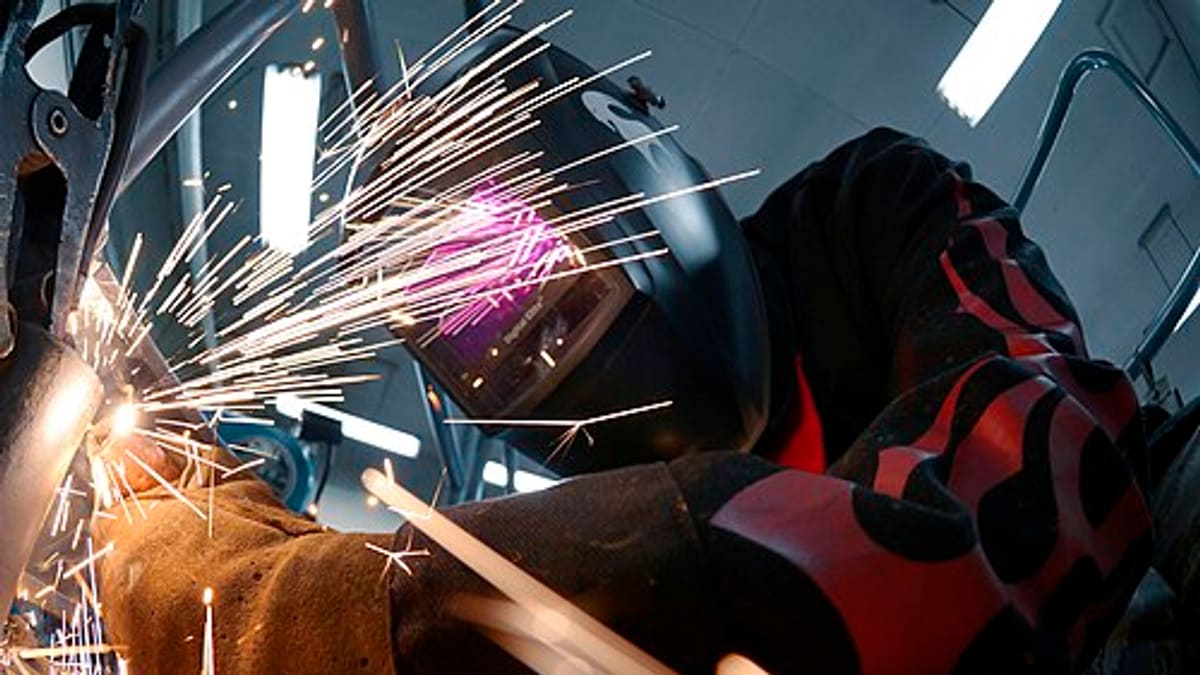
- Hot work — welding, cutting, grinding and anything that can ignite materials.
- Confined space entry — tanks, pits, vessels, ducts where atmosphere and rescue are concerns.
- Work at height — roofs, platforms, ladders above defined heights.
- Electrical work — on or near electrical systems.
- Excavation — digging where buried services may exist.
- General or cold work — non-routine work on process systems that doesn't fit another category.
Many sites use one general permit with supplementary certificates — isolation, gas test, hot work — attached as needed.
The permit lifecycle
1. Request
The person responsible for the work describes the job, location, equipment, duration, work party and tools. Vague descriptions — "maintenance on pump" — make it impossible to assess hazards properly.
2. Hazard identification and risk assessment
The issuer and performing authority review the hazards of the job and the area: stored energy, chemicals, flammables, heat, height, simultaneous operations nearby. A job-specific risk assessment or method statement may be attached.
3. Isolation and preparation
Equipment is isolated, drained, purged, vented and locked out as required. Isolation points are listed and verified. See our lockout/tagout guide.
4. Testing
Where atmosphere is a hazard, gas tests are carried out by competent people with calibrated instruments, and results recorded with time. Some permits require periodic or continuous re-testing.
5. Authorisation and issue
The issuer visits the site, confirms controls are in place, explains the hazards to the work party and signs the permit. Every member of the work party acknowledges it. The permit is displayed at the job location.
6. Work in progress
Work is carried out within the permit's scope and time limit. If the scope changes, work stops and the permit is reviewed. Area operators know a permit is live in their area.
7. Suspension and shift handover
If work continues across shifts or is paused, the permit is formally suspended or handed over, with the incoming people verifying conditions before restart.
8. Completion and hand-back
The work party confirms the work is complete, tools and materials removed and the area tidy. Isolations are removed in a controlled way, and the area owner accepts the equipment back. For hot work, a fire watch continues for a defined period after work ends.
Roles
- Requester or performing authority — leads the work party and is responsible for working within the permit.
- Issuing authority — authorised to issue permits for the area; confirms hazards are controlled.
- Area authority or owner — responsible for the plant area and its operation.
- Isolating authority — carries out and verifies isolations.
- Gas tester — competent to test atmospheres.
In small plants one person may hold several roles, but the principle that someone other than the worker checks the controls should be kept wherever possible.
Contractors and permits
Contractors are often less familiar with the site's hazards. Before permits are issued, contractors should complete site induction, have their competence and insurance verified as your procedures require, and understand the permit system. The site issuer remains responsible for verifying site conditions — a contractor's own internal permit doesn't replace the site's.
Simultaneous operations
Two safe jobs can become dangerous together: hot work above someone opening a solvent line, or two teams isolating different parts of the same system. A permit coordinator or a live permit board — physical or digital — showing all active permits by area helps issuers spot conflicts before they happen.
Why permit systems fail
- Permits issued from the office without visiting the job.
- Copy-paste hazard descriptions that don't match the job.
- Scope creep — "while we're here, let's also…" — without a new permit.
- Poor shift handovers.
- Gas tests not repeated after breaks.
- Permits closed without confirming the plant is safe to return to service.
- No audits of permits in progress.
Auditing the system
Regularly audit live permits in the field, not just closed paperwork: is the permit displayed, does the work match the scope, are isolations in place, does the work party understand the hazards? Track findings and trends, and feed them into issuer training.
How software helps
Digital permit systems can enforce mandatory fields, attach isolation certificates and gas test results, require photo evidence, show all live permits on a site map, flag conflicts in the same area, handle shift handovers and keep a complete audit trail. Permits can also be linked to the maintenance work order the job came from. See safety management software and EHS software.
Talk to us about digital permits linked to your maintenance work.
Frequently asked questions
What is a permit-to-work?
A formal written or digital system that authorises specific people to carry out specific high-risk work at a specific place and time, after hazards have been identified and controls put in place.
Which jobs typically need a permit?
Hot work, confined space entry, work at height, electrical work on or near live equipment, excavation, work on pressurised or hazardous systems and work that requires isolation of energy sources. Your risk assessments and local regulations decide the exact list.
Who can issue a permit?
Trained and authorised issuers — usually experienced supervisors or engineers who know the plant area. Issuers should be named and their authorisation recorded.
What happens at shift change?
Permits must be formally handed over or suspended. The incoming issuer and the work party confirm the conditions are still safe before work continues.
Can permits be digital?
Yes. Digital permits can enforce required fields, attach isolation and gas test records, show all live permits on a plant map and prevent conflicting permits in the same area.