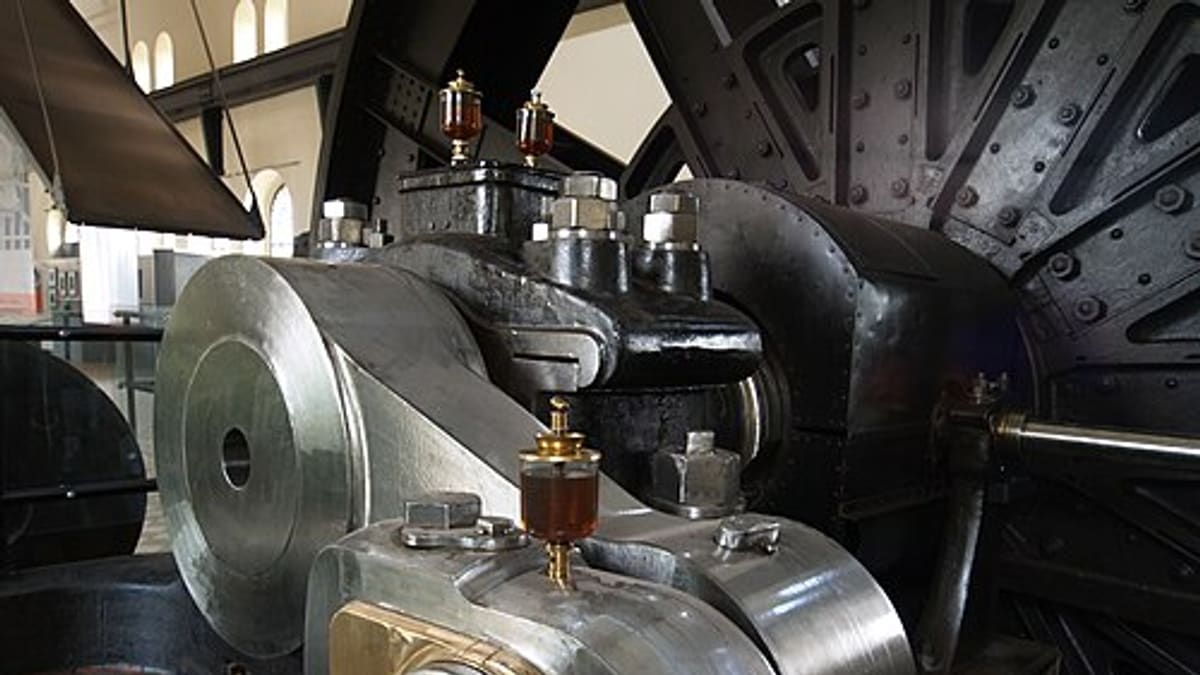
Lubrication is one of the least glamorous maintenance tasks — and one of the most important. A large share of bearing and gearbox failures trace back to lubrication problems: not enough, too much, the wrong lubricant or contamination. Yet in many factories, lubrication depends on one experienced person's memory and an oil can. A structured lubrication programme is one of the cheapest, fastest ways to improve machine reliability.
Common lubrication problems
- Under-lubrication: points missed or intervals too long, causing wear and overheating.
- Over-lubrication: too much grease in bearings, causing heat and seal damage.
- Wrong lubricant: incompatible greases or oils mixed, reducing performance.
- Contamination: dirt, water or metal particles introduced by dirty tools or open containers.
- Degraded oil: oil left too long, oxidised or contaminated.
Step 1: Build a lubrication point register
List every lubrication point on each machine: bearings, gearboxes, slideways, chains, hydraulic reservoirs, compressors. For each, record the lubricant type, quantity, method (grease gun, oil can, top-up, oil change), frequency and any special instructions. Photograph each point. This register is the foundation of the programme.
Step 2: Standardise lubricants
Many factories use more lubricant types than necessary. Review with your supplier and machine manufacturers to consolidate where possible. Fewer lubricants means less risk of mixing and simpler stores.
Step 3: Label points and containers
Colour-coded or symbol-based labels on each lubrication point, matching labels on dispensers and containers, make it visually obvious which lubricant goes where. This simple step prevents many mix-ups.
Step 4: Create lubrication routes
Group points by area and frequency into routes — a daily route for operator checks, a weekly route for maintenance, monthly and quarterly routes for oil changes. Routes make the work efficient and ensure nothing is missed. Each route lists points in walking order with lubricant, quantity and method.
Step 5: Control contamination
Store lubricants in a clean, dry, organised area. Use sealed, labelled dispensers rather than open cans. Clean grease fittings before lubricating. Filter oils when topping up critical systems. Fit breathers on gearboxes and reservoirs where contamination is a problem.
Step 6: Record and review
Record every completed task: date, person, point, quantity and any observations — leaks, noise, overheating, damaged fittings. Records show compliance, highlight points frequently missed and provide history when failures occur.
Step 7: Use condition data
Oil analysis on critical gearboxes and hydraulics reveals wear, contamination and oil condition, helping set oil change intervals based on condition rather than calendar. Temperature and vibration readings help detect lubrication problems early. See predictive maintenance.
Operators and lubrication
Under TPM, operators often take on daily lubrication checks — oil levels, simple greasing, visual checks. Clear standards with photos, training and labelled points make this reliable. Maintenance retains specialist tasks. See TPM guide.
An example: gearbox failures on a conveyor line
A food processing plant suffered repeated gearbox failures on its conveyor lines. Investigation found mixed lubricants, inconsistent top-ups and no records. The maintenance team built a lubrication register, consolidated lubricants, labelled every point and created digital routes on a mobile app. Breathers were added to gearboxes in wash-down areas. Over the following months, gearbox failures dropped significantly, and records showed exactly when each point was serviced.
Getting started
Choose your most critical machines and build the lubrication point register for them first, with photos. Label points, set up two or three routes and start recording completion. Expand to the rest of the plant once the routes run reliably.
Common mistakes
- No register — lubrication depends on memory.
- Too many lubricant types and no labelling.
- "More grease is better" thinking, leading to over-greasing.
- Open containers and dirty tools introducing contamination.
- No records, so missed tasks go unnoticed.
How software helps
Maintenance software holds the lubrication register, generates routes by frequency, guides technicians and operators through each point on a mobile app, records completion and observations and tracks lubricant consumption. Oil analysis results can be stored against assets with alerts. See CMMS software.
Talk to us about digital lubrication routes for your plant.
Lubrication stores and handling
A well-organised lubrication store is the foundation of contamination control. Keep drums and containers sealed, off the floor and indoors, labelled with the same colour codes as the machines. Use dedicated, labelled transfer containers and grease guns for each lubricant, never shared. Follow first-in, first-out and check shelf life for greases and oils. Record lubricant issues against routes or work orders, so consumption per machine is visible — a sudden increase often points to a leak or a worn seal worth investigating.
Measuring the programme
Track route completion rate, overdue points, observations raised and closed, lubricant consumption and — most importantly — bearing, gearbox and hydraulic failures over time. Sharing these results with operators and technicians keeps the programme alive.
Frequently asked questions
Why does lubrication matter so much?
Poor lubrication — too little, too much, wrong type or contaminated — is a leading cause of bearing and gearbox failures. Getting it right is one of the cheapest ways to improve reliability.
Who should do lubrication tasks?
Simple daily tasks often suit trained operators under TPM. Specialist tasks, oil changes and analysis usually stay with maintenance or a lubrication technician.
How do we avoid mixing lubricants?
Label each lubrication point and container with colour codes or symbols, standardise lubricants where possible, and store them in a clean, organised area.
How often should we lubricate?
Follow manufacturer recommendations initially, then adjust based on operating conditions, condition data and failure history.
Can lubrication be tracked digitally?
Yes. Digital lubrication routes on a mobile app list each point with lubricant, quantity and method, and record completion, issues and photos.