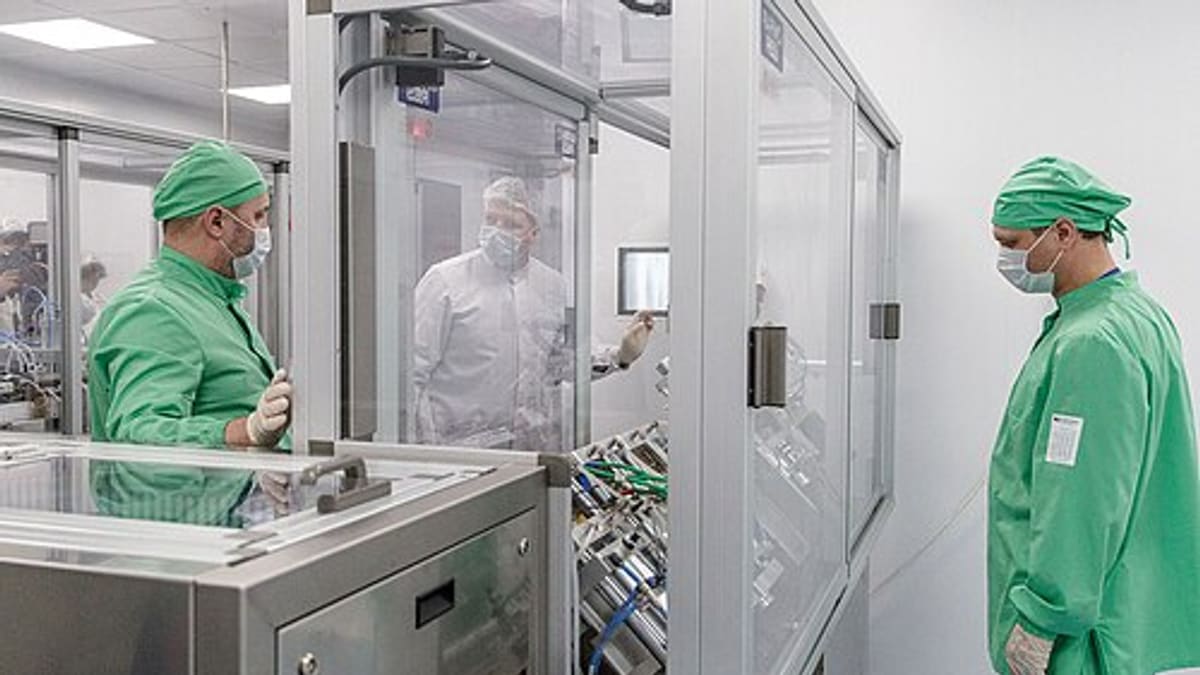
In pharmaceutical, nutraceutical, food, cosmetics and chemical manufacturing, every batch needs a record proving it was made correctly. On paper, batch manufacturing records are thick binders filled in by hand: weights, times, signatures, checks. They are slow to complete, prone to errors and omissions, and slow to review — batch release often waits days for QA to check every page. Electronic batch records (EBR) replace paper with guided, validated, digital execution.
Problems with paper batch records
- Missed entries, illegible writing and calculation errors.
- Entries made after the fact rather than at the time of the activity.
- Out-of-limit values not noticed until review.
- Long QA review times delaying batch release.
- Difficult retrieval during audits and investigations.
- Storage of large volumes of paper.
How EBR works
- Master recipe: the approved process — materials, quantities, steps, parameters, checks — defined once and version controlled.
- Batch creation: a batch record is generated from the master recipe for the batch size.
- Guided execution: operators follow steps on tablets or terminals, recording values as they work.
- Checks and limits: the system validates entries against limits and blocks or flags deviations.
- Signatures: operators and verifiers sign steps electronically.
- Review by exception: QA reviews flagged exceptions and deviations, then releases the batch.
Weighing and dispensing
Dispensing is a high-risk step: wrong material, wrong quantity or wrong lot. EBR guides dispensing by scanning material labels to verify identity and lot, checking expiry and status, capturing weights from scales where they have data interfaces, and calculating quantities based on potency or assay where needed. Labels for dispensed materials are printed with batch and material details.
Process steps and parameters
Each process step — mixing, granulation, drying, compression, filling, cooking, reaction — is recorded with start and end times, equipment used, parameters and in-process checks. Equipment status (cleaned, calibrated, available) can be verified before use. Parameters outside limits trigger alerts and deviations.
Deviations
When something goes wrong — a parameter out of range, a missed step, an equipment issue — the deviation is recorded in context, with investigation and approval workflow. Linking deviations directly to batch steps makes review faster and investigations more complete. See NCR and deviation management.
Review by exception
Because the system validates entries as they are made, QA doesn't need to check every value. Review focuses on exceptions: deviations, overrides, out-of-limit values and comments. This can reduce batch review time from days to hours, speeding up release and reducing inventory waiting for approval.
Audit trails and data integrity
EBR systems record who did what, when, and any changes with reasons. Data integrity principles — attributable, legible, contemporaneous, original and accurate — are supported by design. The specific requirements depend on your regulators and products, and the system should be validated for its intended use.
Genealogy and traceability
EBR captures material lots used in each batch and the batches produced, creating genealogy from raw materials to finished goods. In a recall or complaint, affected batches can be identified quickly. See traceability and recalls.
Packaging records
Packaging steps — line clearance, label reconciliation, coding verification, in-process checks — benefit equally from digital records. Line clearance checklists with photos and label reconciliation calculations reduce mix-up risks, which are among the most serious packaging errors.
Recipe versions and change control
Master recipes change over time — new suppliers, process improvements, regulatory updates. EBR systems keep each version with its approval history, and every batch records which version it was made to. Changes go through review and approval before use, so production always follows the current approved process. See recipe and formulation management.
An example: faster batch release
A nutraceutical manufacturer producing tablets and capsules struggled with batch release delays as QA reviewed lengthy paper records and frequently found missing entries. It implemented EBR in phases, starting with dispensing and granulation, then compression, coating and packaging. Scanning prevented wrong-material dispensing, limits flagged out-of-range values immediately and missing entries became impossible because steps couldn't be completed without required data. QA moved to review by exception, and batch release times dropped substantially.
Getting started
Choose one product family and start with dispensing, where errors are most costly. Digitise the master recipe, run paper and electronic records in parallel for a short validation period, then expand step by step to processing, packaging and review by exception.
Common mistakes
- Copying paper forms directly onto screens without redesigning the workflow.
- Trying to digitise every product and step at once.
- Insufficient validation planning for regulated products.
- Not involving QA early in design.
- Poor network or device reliability on the floor.
How software helps
Batch management software with EBR handles master recipes, guided execution, dispensing, parameters, deviations, signatures, audit trails, genealogy and review by exception. See batch management software.
Talk to us about electronic batch records for your plant.
Frequently asked questions
What is an electronic batch record?
A digital record of how each batch was manufactured — materials, quantities, equipment, process steps, parameters, checks, deviations and sign-offs — replacing paper batch manufacturing records.
Does EBR meet regulatory requirements?
EBR systems can be designed to support requirements such as audit trails, electronic signatures and data integrity. Compliance depends on the system's design, validation and how it's used; requirements vary by regulator and product.
What is review by exception?
Instead of reviewing every entry, QA reviews only deviations, out-of-limit values and exceptions flagged by the system, which speeds up batch release.
Can EBR connect to weighing scales?
Where scales provide a data interface, weights can be captured directly. Otherwise, values are entered with verification.
Can we start with part of the process?
Yes. Many plants start with dispensing and key process steps, then extend to packaging and full batch review.