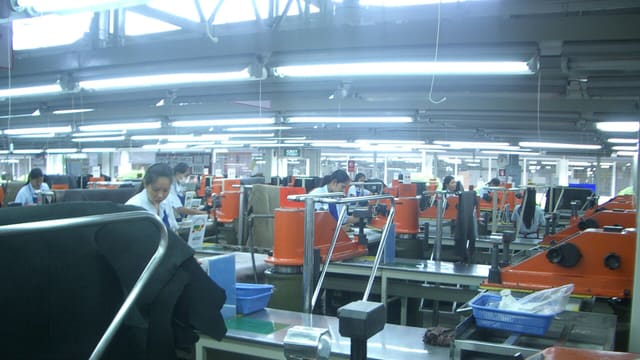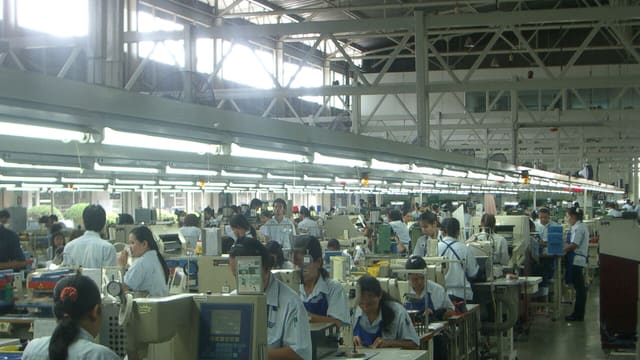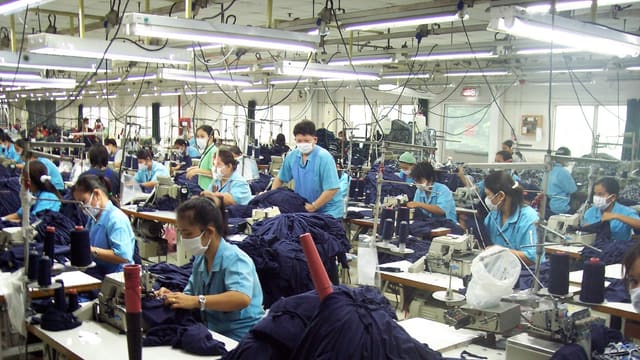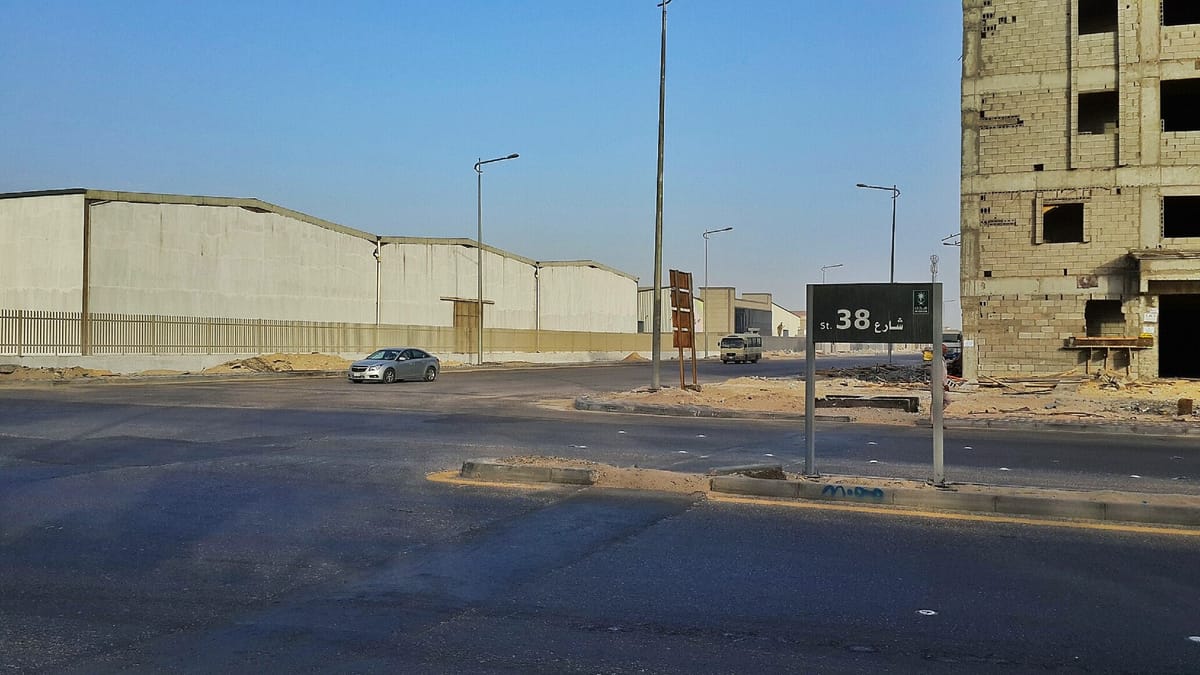
Saudi Arabia is building a manufacturing economy at speed. The National Industrial Strategy, launched in October 2022 as part of Vision 2030, aims to raise the number of factories to around 36,000 by 2035, from about 10,600 when it was launched, and to grow industrial exports substantially. Official figures show the number of industrial establishments passing 13,000 by 2026, with more than a thousand new facilities starting production in 2025 alone. New plants are opening in MODON industrial cities around Riyadh, Jeddah, Dammam and Jubail, in special economic zones, and across the regions — making food and beverages, building materials, metal products, chemicals and plastics, pharmaceuticals, packaging, automotive parts and more.
A new factory has a rare advantage: it can run digitally from day one instead of converting from paper later. This guide explains what manufacturing software a growing Saudi factory needs, what is specific to the Kingdom, and how to plan it alongside the plant itself.
The software a modern factory needs
Manufacturing software is not one product. A typical plant needs these capabilities, whether they come from one system or several:
| Capability | What it does |
|---|---|
| Production planning | Turns sales orders and forecasts into a realistic production plan, considering machines, people and materials. |
| MES / shop-floor control | Releases work orders, records output, scrap and downtime, and shows live status by line and shift. |
| Quality management | Inspection plans, test results, non-conformances, corrective actions and certificates. |
| Traceability | Links raw-material lots to finished batches and customer deliveries. |
| Maintenance (CMMS) | Preventive maintenance schedules, breakdowns, spare parts and equipment history. |
| Inventory and warehouse | Raw materials, work-in-progress and finished goods by location and lot. |
| ERP and finance | Purchasing, sales, invoicing, costing and accounts. |
Large groups often already have an ERP and need an MES and quality layer for the plant. Smaller and mid-sized new factories often benefit from a single production management system covering planning, shop floor, quality, maintenance and inventory, connected to their accounting software. Our article on MES vs ERP explains the split.
Requirements that matter in Saudi Arabia
Arabic and English, properly
Software for Saudi factories should offer full Arabic screens with a right-to-left layout, not just translated labels, alongside English. Many plants have Saudi managers and engineers working with experienced staff from many countries, so each user should be able to choose their language. Printed documents — job cards, labels, certificates, delivery notes — may need Arabic, English or both.
A workforce in transition
Saudization targets and the growth of technical education are bringing many young Saudis into factory roles, often for the first time. Software that guides each step, shows work instructions with pictures, verifies scans and blocks steps for untrained operators helps new staff become productive faster and keeps quality consistent while experience builds up.
Product conformity and customer requirements
Products sold in the Kingdom are subject to technical regulations and conformity schemes administered through SASO and related systems, and food, pharmaceutical and medical products have their own regulators. Government and large private customers may add their own quality requirements, and the local content agenda brings its own reporting. A good system keeps batch, inspection, test and traceability records together so evidence is ready when a certification body, regulator or customer asks for it. The software supports compliance; the certificates themselves come from the official schemes.
Local content and supplier records
Vision 2030 places strong emphasis on local content and on the "Made in Saudi" identity. Manufacturers supplying government entities and large companies may need to document where materials come from and how much value is added locally. Accurate bills of materials, supplier records and production costing make those calculations easier and more defensible.
Hosting and data
Some organisations prefer or are required to keep certain data in the Kingdom. A custom system can be hosted on infrastructure that meets your policy, whether a local data centre, a cloud region in the Kingdom or your own servers.
Climate and utilities
Heat, dust and energy use matter in Saudi plants. Maintenance software can track equipment exposed to harsh conditions, and energy readings can be tied to production output to show energy use per tonne or per unit — useful as utility pricing and sustainability reporting become more important.
Planning software for a new plant
The best time to plan the software is while the plant is being designed, not after it starts production. A practical sequence:
- Define the core processes with the plant team: products, routes, quality checks, maintenance plans and the reports management expects.
- Set up master data — items, bills of materials, routes, machines, codes — before trial runs.
- Use the system during commissioning and trials so problems are recorded from the first batch and staff learn the system as they learn the plant.
- Go live with a focused scope: work orders, output, downtime, quality checks and inventory.
- Extend to planning, traceability, maintenance and integrations as volumes rise.
Example: a new packaging factory in an industrial city
Consider a new plastic packaging plant producing bottles, caps and preforms for local food and beverage companies. The owners had experience in trading but not in running a factory, and planned to recruit a mostly new workforce supported by a few experienced technicians.
The software was set up before the first trial runs: products, moulds, machines and inspection plans were entered; operator screens were prepared in Arabic and English; and every trial batch was recorded with resin lots, machine, mould and inspection results. When production started, operators used tablets to start jobs, record output and rejects, and choose downtime reasons. Quality inspectors recorded checks on the same system, and customers' batch certificates were generated automatically.
Because data existed from the first day, the management team could see their real yield and downtime as volumes increased, and could show customers complete batch records during supplier audits. Later phases added mould maintenance by shot count, energy use per tonne and a link to the accounting system.
Know your real costs from the first month
Many new factories discover their true product costs only after their first annual accounts — too late to correct pricing on contracts already signed. Manufacturing software can show actual costs per order or batch from the first month of production:
- Material: actual quantities consumed per batch, including scrap and overuse, against the bill of materials.
- Machine time: run time, set-up time and downtime per order, recorded on the shop floor.
- Labour: hours booked per order or per line and shift.
- Energy and utilities: where meters exist, consumption per line, allocated to output.
- Quality losses: rejected and reworked quantities and the time spent on them.
Comparing actual cost with the cost assumed in the quotation, order by order, quickly shows which products and customers are profitable. For new plants competing with imports and established local producers, that visibility can decide whether a contract is worth renewing.
Building a data habit with a new team
Software only works if people use it consistently. In a new factory with a new team, the habits set in the first months tend to last. A few practices help:
- Start every shift with the data: a short meeting at the shop-floor screen reviewing yesterday's output, downtime and quality against plan.
- Make recording part of the job, not extra work: keep screens simple, use scanning, and remove any paper form that the system replaces.
- Act visibly on what the data shows: when operators see that recorded downtime reasons lead to fixes, recording improves.
- Train local supervisors as system champions who can help colleagues and suggest improvements.
Plants that build these habits early tend to reach stable output and quality faster than those that treat software as an office function.
Questions to ask any software supplier
- Does the system offer full Arabic with right-to-left layout, and can each user choose their language?
- Can it be ready for commissioning and trial runs?
- How does it handle work instructions, training records and operator qualification?
- Where will the data be hosted, and does that meet our policy?
- How will it connect to our ERP or accounting software?
- What does the first phase deliver, in what time and at what total cost?
- Who owns the code and data, and how is support provided across time zones?
Working with Corposol
Corposol builds custom manufacturing software — MES, production management, quality, traceability and maintenance — designed around how your plant will actually run. We work with international clients through remote workshops, short demo cycles and shared project tracking, with on-site time arranged when it is needed. Saudi Arabia's working day overlaps with India's for most of the day. All custom code is transferred to you on final payment. If you are planning a new plant or expanding an existing one, we would be glad to help plan its software.
Frequently asked questions
Can manufacturing software work in Arabic?
Yes. A custom system can provide full Arabic screens with right-to-left layout, alongside English, with each user choosing their language. Reports and printed documents such as job cards and labels can be produced in Arabic, English or both.
We are building a new factory. When should we plan the software?
Ideally before production starts. A new plant can set up its processes, codes and records digitally from day one, avoiding a later switch from paper. A first phase can be ready for commissioning and trial runs.
Do we need an ERP and an MES?
They do different jobs. ERP handles finance, purchasing, sales and inventory value; an MES manages what happens on the shop floor in real time. Smaller plants sometimes start with a production management system that covers both basics and add a full ERP later.
Can the software help with SASO or customer quality requirements?
It can keep the inspection, test, batch and traceability records that product conformity and customer audits rely on, and produce them quickly. Conformity certificates themselves are issued through the official schemes and bodies.
Will the system work for a workforce with mixed experience levels?
Yes. Shop-floor screens can guide each step, verify scans, show work instructions with pictures and restrict tasks to trained operators. This helps new Saudi staff and experienced expatriate staff work to the same standard.
Does Corposol work with manufacturers in Saudi Arabia?
Corposol builds custom manufacturing software and works with clients internationally, including in the Middle East, through remote delivery, video demos and shared project tracking. Saudi Arabia is two and a half hours behind India, so working hours overlap for most of the day.