
Insights on Software, Apps & Automation — page 6
Practical guides on manufacturing software, field service management, custom software and mobile apps.

Service Call Centre and Ticketing for Field Service: From Phone Call to Completed Job
How service businesses run call centres and help desks — capturing calls and messages as tickets, triage, remote resolution, dispatch handoff, callbacks, SLAs and quality monitoring.
Read article
Customer Feedback and NPS for Service Businesses: Collecting, Acting and Improving
How service businesses collect customer feedback after jobs, use ratings and Net Promoter Score, close the loop on unhappy customers, turn promoters into reviews and referrals, and improve service.
Read article
Preventive vs Breakdown Maintenance Contracts: How Service Companies Should Design and Sell Each
The difference between preventive (PM) contracts, breakdown-only contracts and comprehensive AMCs — how to scope visits, define what's covered, manage risk, schedule work and track profitability for each contract type.
Read article
Designing a Field Service KPI Dashboard: What Owners, Managers and Supervisors Should See
How to design field service dashboards for different roles — owner, operations manager, branch supervisor and dispatcher — with the KPIs, layouts and drill-downs that lead to action rather than just reports.
Read article
Field Service Software Implementation Checklist: From Kick-off to Go-live Without Disruption
A practical checklist for implementing field service management software — process mapping, data preparation, configuration, pilot, training, go-live and post-launch review — written for service business owners and managers.
Read article
What Drives Cost per Job in Field Service — and How to Reduce It Without Hurting Service
The main cost drivers in field service — travel, idle time, repeat visits, parts, admin and overtime — how to measure cost per job, and practical ways to reduce each one while keeping customers happy.
Read article
QR Code Asset Tagging for Service Companies: Faster Service, Complete History, Fewer Errors
How equipment service companies use QR code or barcode tags on customer assets for instant identification, service history, customer self-reporting, PM verification and warranty checks — and how to roll tagging out.
Read article
The Six Big Losses in Manufacturing: How to Find and Eliminate Them on Your Shop Floor
A practical guide to the six big losses — breakdowns, setups, small stops, reduced speed, start-up rejects and production rejects — how each affects OEE, how to measure it and proven ways to reduce it in small and mid-sized factories.
Read article
Total Productive Maintenance (TPM): A Practical Guide for Small and Mid-sized Factories
What TPM is, its eight pillars, how autonomous and planned maintenance work together, how to start TPM on one model machine and how software supports checklists, abnormalities, maintenance plans and OEE tracking.
Read article
Predictive Maintenance for Small Factories: Where It Pays Off and How to Start
A realistic guide to predictive and condition-based maintenance for SMEs — vibration, temperature, current, oil analysis and run-hour triggers — which assets justify it, how to start small and how it fits with preventive maintenance.
Read article
Andon Systems for Manufacturing: Calling for Help, Responding Fast and Learning from Every Stop
How digital andon systems work — operator calls for maintenance, quality, material and supervisors; escalation rules; response timing; andon boards; and how andon data reveals recurring problems on the shop floor.
Read article
Tier Meetings and Daily Production Meetings: Running Short, Data-driven Shop Floor Reviews
How to structure tiered daily meetings — team, area and plant level — with the right KPIs, boards and escalation, so problems surface quickly and get solved, and how digital boards replace whiteboards and spreadsheets.
Read article
Operator Skill Matrix and Training Records: Putting the Right People on the Right Machines
How to build and maintain an operator skill matrix, link it to training records and certifications, use it in shift planning and job allocation, and satisfy customer and ISO audits — with practical templates and examples.
Read article
Factory Energy Monitoring: Measuring Electricity, Air and Utilities to Cut Energy Cost per Part
How manufacturers monitor energy by machine, line and utility — electricity, compressed air, steam, water and fuel — calculate energy per unit, find waste such as idle running and leaks, and manage peak demand.
Read article
Retrofitting Old Machines for IIoT: Getting Data from Legacy Equipment Without Replacing It
How to collect run/stop status, counts, cycle times and condition data from older machines using sensors, PLC connections and gateways — what data is realistic, typical approaches and how to use it in OEE and maintenance.
Read article
How to Choose an ERP for a Small Manufacturer: Requirements, Options and Avoiding Common Traps
A practical guide for small and mid-sized manufacturers choosing ERP — defining requirements, comparing packaged ERP and custom-built systems, evaluating vendors, data migration and phased rollout — written for owners and managers.
Read article
MES ROI: How to Build the Business Case for a Manufacturing Execution System
How to estimate the return on an MES investment — capacity gains from OEE, scrap reduction, inventory and WIP, labour and admin savings, quality and traceability benefits — with a worked approach and realistic assumptions.
Read article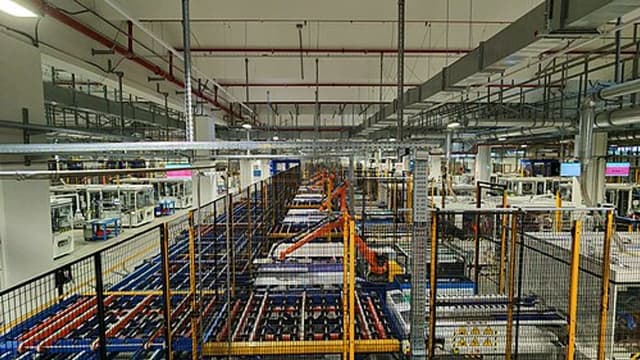
How to Choose MES Software: A Buyer's Checklist for Small and Mid-sized Manufacturers
What to evaluate when selecting a manufacturing execution system — fit with your processes, shop floor usability, machine connectivity, quality and traceability, integration, deployment, phasing and total cost — with a practical checklist.
Read article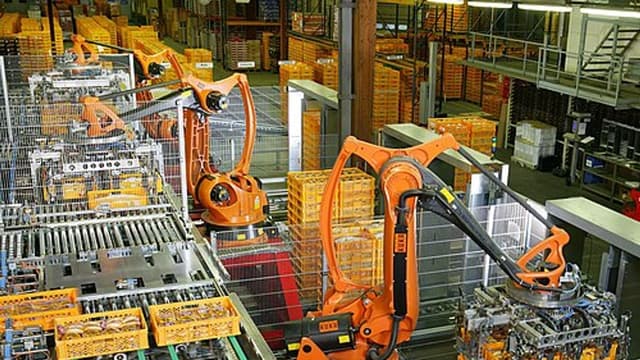
An Industry 4.0 Roadmap for Small Manufacturers: Practical Steps from Paper to Connected Factory
A staged, realistic Industry 4.0 roadmap for SMEs — digitising data capture, visibility, connected machines, integration, analytics and automation — with priorities, examples and how to avoid technology for its own sake.
Read article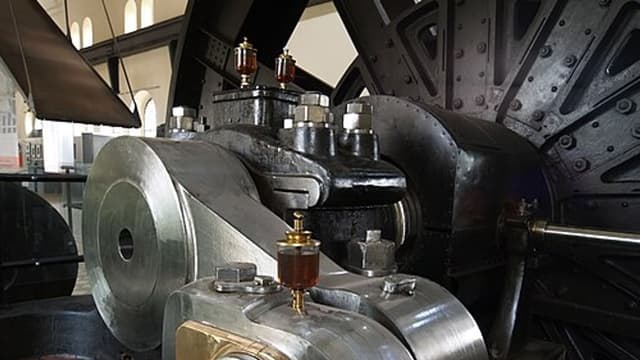
Lubrication Management for Factories: Schedules, Routes and Records That Prevent Breakdowns
How to set up a lubrication programme — lubrication points, correct lubricants and quantities, schedules and routes, contamination control, records and oil analysis — and how digital lubrication routes improve reliability.
Read article
Kanban for Small Factories: Pull-based Replenishment for Materials, Components and WIP
How kanban works in small and mid-sized factories — card and bin systems, calculating kanban quantities, supplier and internal kanban, e-kanban with scanning, and when kanban works better than MRP.
Read article
WIP Tracking in Manufacturing: Knowing Where Every Job Is, Between Every Operation
How to track work in progress across operations — job travellers with barcodes, operation booking, WIP by stage and age, queue and wait times — and how WIP visibility improves lead times, delivery promises and cash flow.
Read article
Finite Capacity Scheduling Explained: Realistic Production Schedules for Job Shops and Plants
What finite capacity scheduling is, how it differs from infinite loading and MRP, the data it needs — routings, cycle times, setups, calendars — and how small manufacturers use it to set realistic delivery dates and reduce firefighting.
Read article
Shift Handover in Manufacturing: Passing On What Matters So the Next Shift Starts Right
How to run effective shift handovers in factories — what to communicate, structured handover checklists, digital handover logs, safety and quality issues, open jobs and machine status — so problems aren't lost between shifts.
Read article
First Article Inspection (FAI) and First-off Approval: A Practical Guide for Manufacturers
How first article inspection and first-off approval work — when they are required, what to measure, documenting results, customer FAI reports, approval workflows and how digital FAI reduces delays and escapes.
Read article
Customer Complaint Handling in Manufacturing: From Complaint to Root Cause to Prevention
How manufacturers should handle customer complaints — logging, containment, investigation, 8D and CAPA, communication with the customer, cost tracking and trend analysis — to protect relationships and prevent repeats.
Read article
Tool Life Management in Machining: Tracking Cutting Tools to Cut Cost and Prevent Defects
How machining companies manage cutting tool life — tool presetting, life limits by count or time, tool crib and issue tracking, regrinding, cost per part and linking tool wear to quality — with practical steps and examples.
Read article
Mould Maintenance for Injection Moulders: Shot Counts, PM Schedules and Mould History
How injection moulders manage mould maintenance — shot-count based preventive maintenance, mould history cards, repair tracking, storage, spare inserts and linking mould condition to defects and downtime.
Read article
Electronic Batch Records (EBR): Replacing Paper Batch Manufacturing Records in Process Industries
How electronic batch records work in pharma, nutraceutical, food, chemical and cosmetics manufacturing — recipe-driven steps, weighing and dispensing, in-process checks, deviations, review by exception and audit trails.
Read article
Line Balancing and Takt Time: Designing Assembly Lines That Flow
How to calculate takt time, measure cycle times by station, balance work across operators, handle model mix and variation, and use line data to keep assembly lines balanced as demand and products change.
Read articleLet's build software that fits your business
Tell us about your process or idea. You'll get a free consultation and a clear, fixed quote — no obligation.
- Free consultation
- Prototype before you commit
- Fixed, itemised quote
- You own the software