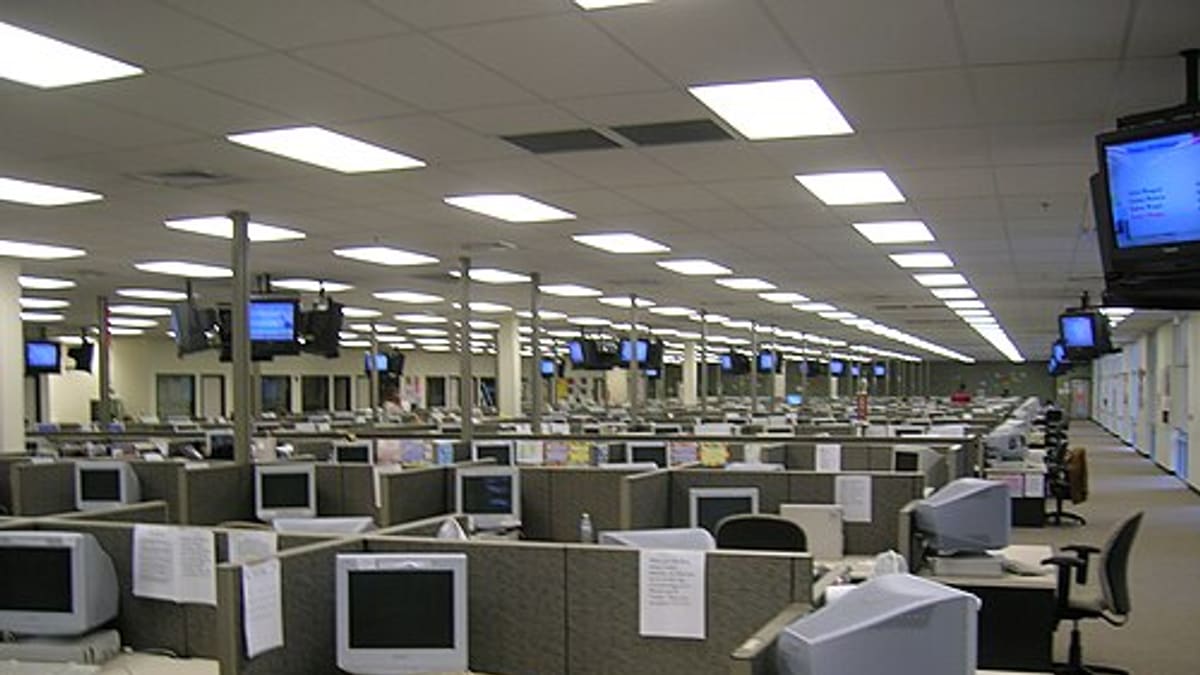
For many service businesses, the phone is still the main way customers ask for help. As businesses grow, a few coordinators answering phones becomes a call centre or help desk, also handling emails, WhatsApp messages and portal requests. The quality of this first contact shapes everything that follows: whether the right technician goes with the right information, whether SLAs are met, and how the customer feels about the business.
One queue for all channels
Calls, emails, WhatsApp messages, web forms and portal requests should all become tickets in one queue. Agents work from a single list, prioritised by urgency and SLA, regardless of channel.
Customer recognition
When a customer calls, agents should see who they are, their sites and equipment, contracts and coverage, open jobs and recent history. This avoids repeated questions and lets agents answer status queries immediately.
Structured ticket capture
Guided forms by request type — breakdown, preventive visit request, installation enquiry, complaint — ensure agents capture what technicians need: equipment, symptoms, error codes, access details and photos where possible. Good tickets improve first-time fix.
Triage and remote resolution
Some issues can be resolved on the call: resetting a device, explaining a setting, confirming a scheduled visit. Troubleshooting guides help agents resolve common issues. Remote resolutions are recorded and count toward service levels.
Handoff to dispatch
Tickets needing a visit pass to dispatch with priority and SLA. The customer is informed of next steps. Agents can see dispatch status for follow-up calls.
Callbacks and follow-ups
Agents schedule callbacks for unresolved queries, and follow up after jobs where needed. Reminders ensure promised callbacks happen.
Complaints and escalations
Complaints are tickets too, with their own workflow: acknowledgement, investigation, resolution and confirmation with the customer. Escalation rules route serious complaints to supervisors.
Measuring performance
- Average answer time and abandoned calls.
- First-contact resolution rate.
- Ticket accuracy (rework due to missing information).
- SLA compliance.
- Customer satisfaction after interactions.
Telephony integration
Where telephony providers offer integration, incoming calls can open the customer's record automatically and call details can be linked to tickets. Feasibility depends on the provider; charges are billed by the provider.
Common problems this software solves
- Requests lost across phones, emails and chats.
- Agents unable to see customer history.
- Incomplete tickets causing repeat visits.
- Promised callbacks forgotten.
- No measurement of first-contact resolution.
Corposol builds ticketing and call centre modules as part of field service software. Talk to us.
Scripts and troubleshooting guides
New agents become effective faster with structured guidance: scripts for common request types, troubleshooting steps for frequent issues and clear rules for priorities. Guides built into the ticketing screens — rather than in separate documents — help agents capture the right information and resolve simple issues on the call. Updating guides as new products or common faults appear keeps the call centre effective as the business evolves.
Staffing for call peaks
Call volumes vary by hour, day and season. Historical ticket data shows when peaks occur, helping plan agent shifts. During seasonal peaks or major outages, temporary agents or overflow arrangements prevent long waits and abandoned calls.
Quality monitoring
Reviewing a sample of tickets and, where available, call recordings each week helps supervisors coach agents: was the right information captured, was the priority correct, was the customer informed of next steps? Combining quality reviews with customer feedback gives a balanced view of agent performance.
Self-service to reduce call volume
Portals and WhatsApp flows let customers raise requests and check status without calling. Every routine call avoided frees agents for complex queries and urgent issues. See our customer portal guide.
Getting started
Begin by ensuring every call, WhatsApp message and email creates a ticket with a customer, asset, category and priority — even if the process behind it is still manual. Once all requests are captured, measure first-response time, resolution time and tickets per agent. Then introduce guided troubleshooting for the most common issues, automatic status updates to customers and self-service options. Each step reduces repeat calls and gives agents more time for the requests that genuinely need them.
Frequently asked questions
Should every call become a ticket?
Every service request should. Simple information calls can be logged as interactions linked to the customer.
Can tickets come from email, WhatsApp and portals too?
Yes. All channels feed one queue, so agents see every request regardless of how it arrived.
Can agents resolve issues without dispatching technicians?
Yes. Guided troubleshooting resolves some issues remotely; outcomes are recorded.
Can call recordings be linked to tickets?
Where the telephony system provides integration, call details or recordings can be linked; feasibility depends on the provider.
How do we measure call centre quality?
Track answer times, first-contact resolution, ticket accuracy, customer feedback and SLA compliance.
Can agents see the customer's history?
Yes. When a customer calls, agents see equipment, contracts, open jobs and past tickets.
Can troubleshooting guides appear in the ticket screen?
Yes. Guides for common issues appear as agents select request types, helping them resolve simple problems on the call and capture the right details.
Can call peaks be forecast?
Yes. Historical ticket volumes by hour, day and season show when peaks occur, helping plan agent shifts and overflow arrangements.
Can supervisors review ticket quality?
Yes. Samples of tickets can be reviewed for accuracy, priority and communication, and combined with customer feedback for coaching.
Can agents see dispatch status for follow-up calls?
Yes. Agents see whether a technician is assigned, on the way or finished, so they can answer customer follow-up calls without checking with dispatch.
Can complaints follow a separate workflow?
Yes. Complaints have acknowledgement, investigation, resolution and confirmation steps, with escalation for serious cases.
Can first-contact resolution be measured?
Yes. Tickets resolved without a visit or further contact are tracked, showing how effective agents and guides are.