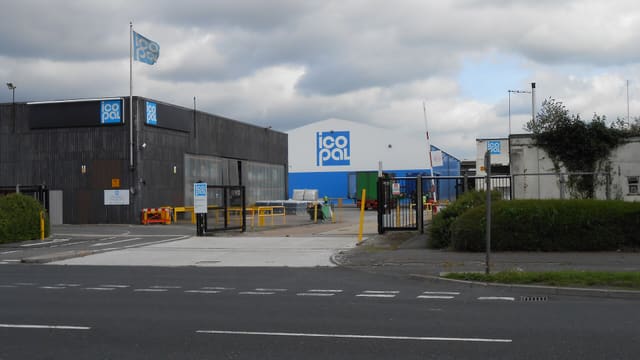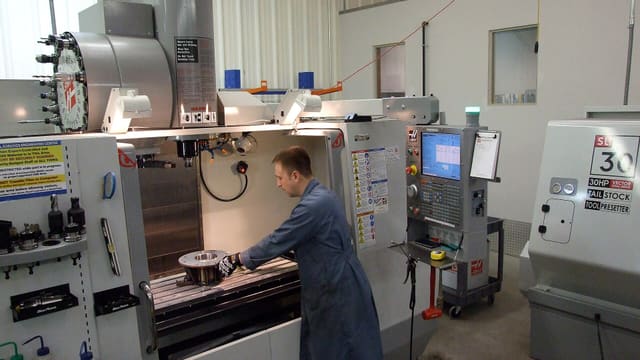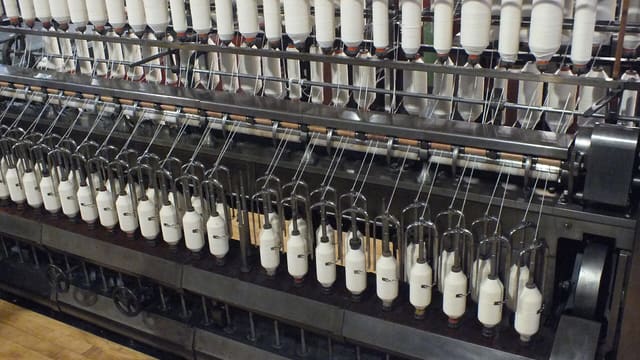
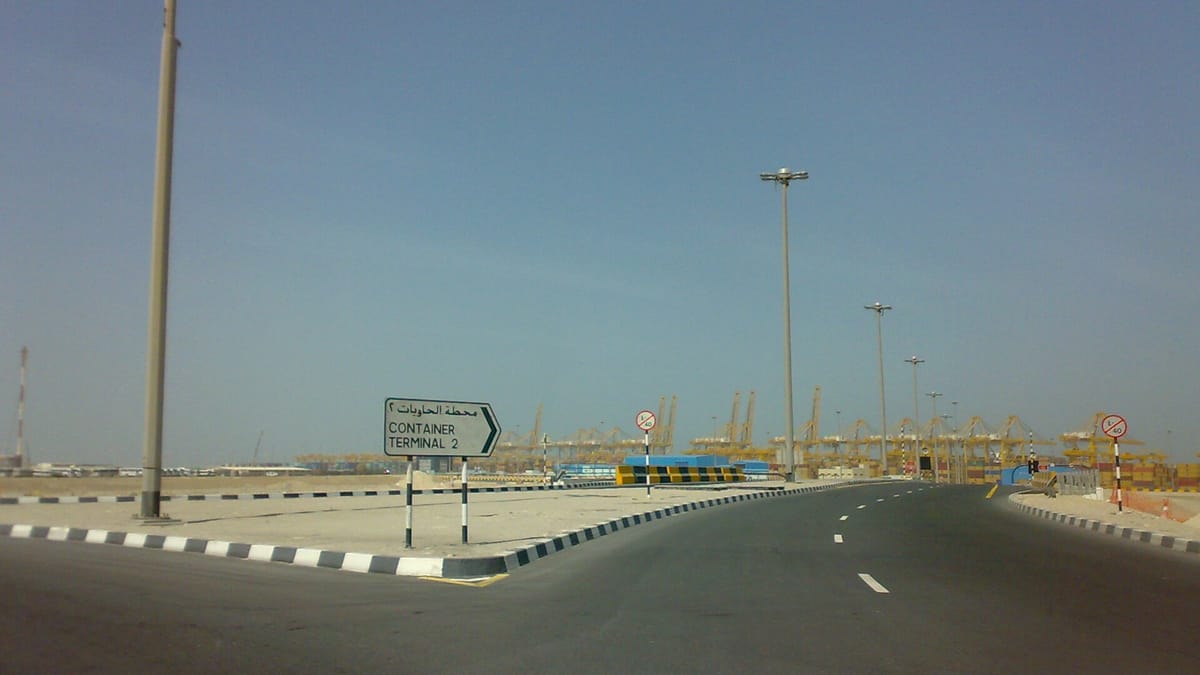
The UAE has a large and fast-growing manufacturing base: aluminium and glass, steel fabrication, joinery and fit-out, building materials, plastics and packaging, food and beverages, chemicals and paints, and electrical products. Many factories are owner-managed, run on a mix of an accounting package, Excel and WhatsApp, and serve project-based customers who change requirements often. Corposol builds custom software for these factories from Bengaluru. This page explains how that works.
Where UAE manufacturers are
- Dubai — Jebel Ali and JAFZA, Dubai Industrial City, Dubai Investments Park and Al Quoz.
- Sharjah — the Sharjah industrial areas, Hamriyah Free Zone and SAIF Zone.
- Abu Dhabi — ICAD and Mussafah, KEZAD and the Khalifa Port industrial zones.
- Northern Emirates — Ajman, Umm Al Quwain and Ras Al Khaimah industrial and free zones.
What UAE factories typically need
Project-based fabrication
Aluminium and glass, steel, joinery and fit-out manufacturers work to projects, drawings and revisions. They need jobs grouped by project, drawing revision control on job cards, stage-wise progress, partial deliveries and site dispatch. See production flow management software for UAE factories and steel fabrication software for the UAE and Saudi Arabia.
Process manufacturers
Food, plastics, chemicals and paints need recipes, batch records, lot traceability, quality release and packing. See software for chemical and paint manufacturers and MES for food and beverage manufacturing.
Costing and margins
With material prices moving and projects quoted months ahead, owners want actual cost per job or batch, not estimates. See job costing for job shops.
Requirements specific to the UAE
Tax records
Accounting and tax usually stay in your accounting system or ERP. Factory software should supply it with clean, consistent records of sales, purchases, stock and costs. Check current VAT, corporate tax and e-invoicing rules with your accountant.
In-Country Value
If your customers ask for In-Country Value (ICV) information, good records of purchases, workforce and production help you prepare it. Check the requirements with your certifying body.
Languages
Management screens in English and Arabic; shop floor screens in the languages your workers read, with large buttons, icons and scanning to minimise typing.
Data protection and hosting
Factory systems hold some employee and customer contact details. Systems can be hosted in a UAE cloud region where your customers or policies require it, with access agreed in writing. Please confirm the rules that apply to you with your own adviser; we agree what the software must do in writing.
Multiple entities and free zones
Groups often have a mainland company and one or more free zone entities. Software should handle separate companies, transfers between them and consolidated reporting.
Working hours
India is 1.5 hours ahead of the UAE, and both now mostly work Monday to Friday. Meetings, reviews, testing and support all happen in shared hours, which makes the UAE one of the easiest places for us to work with remotely.
A typical first phase for an aluminium and glass fabricator
- Projects with their drawings, revisions and item schedules.
- Job cards per item and stage — cutting, machining, assembly, glazing, packing.
- Daily stage-wise progress from the floor on tablets or phones.
- Delivery notes against projects with partial deliveries.
- A project progress board for management and project managers.
Material planning, offcut tracking and actual job costing follow later.
How a remote project runs
- Discovery — video workshops with the people who run the plant, a walk-through of the floor by video or photographs, and copies of your current forms, spreadsheets and reports. Where the project budget allows, we hold discovery on-site.
- A written scope for the first phase — screens, reports, integrations and acceptance criteria, agreed before development starts.
- Short build cycles — regular working demos at intervals agreed in the proposal, so you see progress and correct course early.
- User acceptance testing — your team tests with real orders and data. See our UAT guide.
- Go-live — supported remotely with cover agreed in the proposal, or on-site where the budget allows.
- Handover and support — documentation, source code and credentials transferred on final payment, then ongoing support if you want it. See our handover checklist.
Getting started
Start with a video call about your factory and the problem you most want solved. Contact us to arrange a call, or a visit where the project warrants it.
Frequently asked questions
Which company do UAE clients contract with?
Clients outside India contract with Corposol LLC, our US company, with development by our team in Bengaluru.
How well do UAE and Indian working hours overlap?
Very well. India is 1.5 hours ahead of the UAE, and most UAE businesses now work Monday to Friday, so almost the whole working day is shared.
Do you visit factories in the UAE?
Delivery is remote by default. On-site discovery or go-live visits can be arranged where the project budget allows.
Can the screens be in Arabic and other languages?
Yes. Management screens can be in English and Arabic, and shop floor screens can use the languages your workers read, such as Hindi, Urdu, Malayalam, Tamil, Bengali or Tagalog.
Can the system be hosted in the UAE?
Yes. Major cloud providers have UAE regions, and we can host there, in a cloud account you own, where your customers or policies require data to stay in the country.