India is one of the world's largest centres of software development, and manufacturers in the USA, the UK, Europe, the Middle East and Australia have outsourced software work there for decades. But manufacturing software is different from a website or a marketing app: it has to fit shop-floor reality, integrate with machines and accounting systems, and be used every day by operators and supervisors. This guide covers what to know before you outsource manufacturing software development to India, and how to make it succeed.
What works well to outsource
- Custom manufacturing systems — ERP, MES, CMMS, inventory and quality software built in phases.
- Shop-floor and field apps — Android and iOS apps for operators, technicians, inspectors and service engineers.
- Dashboards and integrations — connecting ERP, MES, spreadsheets and machine data into management reporting.
- Modernisation — replacing old desktop applications written in VB, Access or FoxPro with cloud software. See legacy software modernisation.
- Ongoing improvement — a dedicated team or monthly arrangement to extend existing systems.
What needs extra care
- Understanding your shop floor remotely. Plan video walkthroughs, share real documents, and consider a site visit for larger projects.
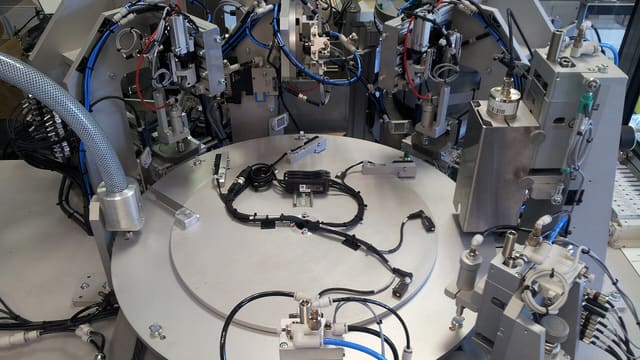
- Machine and hardware integration. PLC, controller, scale and printer integrations are best prototyped with someone on site, or with the device shipped to the development team.
- Local regulations and formats. Tax documents, labelling rules, quality standards and units differ by country. Provide samples and confirm requirements in writing.
- User language and habits. Operators in Texas, Birmingham or Dubai may have different expectations. Test screens with real users early.
Communication that works across time zones
India Standard Time is 4.5 to 5.5 hours ahead of the UK depending on the season, about 3.5 to 4.5 hours ahead of continental Europe, 1.5 hours ahead of the UAE, and between about 9.5 and 13.5 hours ahead of US time zones. In practice:
- UK, Europe, Middle East — a large overlap in working hours; daily calls are easy.
- USA and Canada — a short daily overlap in the US morning and Indian evening; most questions are handled in writing, and work progresses overnight.
- Australia — overlap in the Indian morning and Australian afternoon.
Successful teams agree a regular call slot, use a shared issue tracker, and demonstrate working software every two to four weeks.
Contracts, IP and data protection
- Contracting entity. Know which company you are contracting with and in which country. Some Indian development companies have entities abroad; for example, Corposol contracts with US and other international clients through Corposol LLC in Montana.
- Governing law and jurisdiction — agreed in the contract.
- IP assignment. Custom code and deliverables should be assigned to you, typically on payment.
- Source code access — in a repository you can access, with documentation.
- Confidentiality — covering your drawings, processes, pricing and customer data.
- Data protection — where data is hosted, who can access production data, and compliance with laws that apply to you, such as the GDPR in the UK and EU. Host in the region you need.
- Warranty and support — defect fixing after go-live and ongoing support terms.
Cost: what to expect
Outsourcing to India is often less expensive overall than hiring locally in high-cost countries, but the cheapest quote is rarely the best value. Total cost depends on scope, team experience, the number of revisions, and how efficiently decisions are made on your side. See manufacturing software development cost for the cost drivers.
How to choose an Indian development partner
- Look for genuine manufacturing software experience — shop-floor apps, ERP, MES, quality, maintenance.
- Talk to the analyst and lead developer, not only sales.
- Ask how they understand a factory remotely.
- Review a sample scope document and project plan.
- Confirm code ownership, hosting, data protection and support.
- Start with a well-defined first phase.
Our guide on choosing a manufacturing software development company lists 15 questions to ask, and hiring manufacturing software developers covers team models.
A typical engagement, step by step
- Introductory call — your business, the problem, systems in use and timeline.
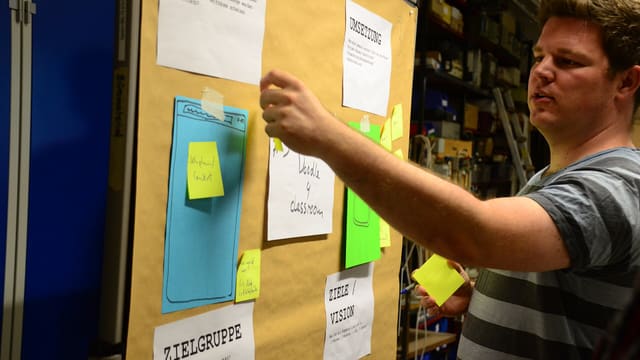
- Discovery — video walkthroughs of the shop floor and office, review of documents and reports, interviews with key users. For larger projects, a site visit.
- Written scope and estimate — modules, phases, assumptions, exclusions, team and timeline.
- Contract — with the agreed entity, governing law, IP, confidentiality and data protection terms.
- Design — screen designs and workflows reviewed with your users.
- Development in sprints — demos every two to four weeks on a test system you can access.
- Testing and acceptance — your users test real scenarios; issues are fixed before go-live.
- Data migration and go-live — often timed for a quiet period, with the team available in your hours.
- Support and improvement — warranty, then an agreed support and enhancement arrangement.
Common concerns, answered
"They won't understand our factory."
Choose a team with real manufacturing software experience and invest in discovery. Factories everywhere share the same building blocks — orders, routings, stores, quality, maintenance, dispatch — and an experienced team learns your specifics quickly.
"Communication will be slow."
Agree a daily or weekly call slot, a single issue tracker, a named project manager and response times. Most delays come from slow decisions on the client side, so name a decision-maker too.
"Quality will be lower."
Quality depends on the team and its process, not its location. Ask about testing, code review, version control and how defects are handled in warranty.
"We'll be locked in."
Insist on code ownership, documentation and access to your repository and hosting. Then you are free to change partners — which also keeps any partner motivated.
Is outsourcing right for you?
Outsourcing works best when you have a clear business problem, a person in your company who can own the project, and willingness to invest time in discovery and testing. It is less suited to work that requires daily physical presence on the shop floor, such as extensive machine wiring — though that can often be handled by a local electrical contractor working with the software team.
Corposol: Bengaluru and Montana
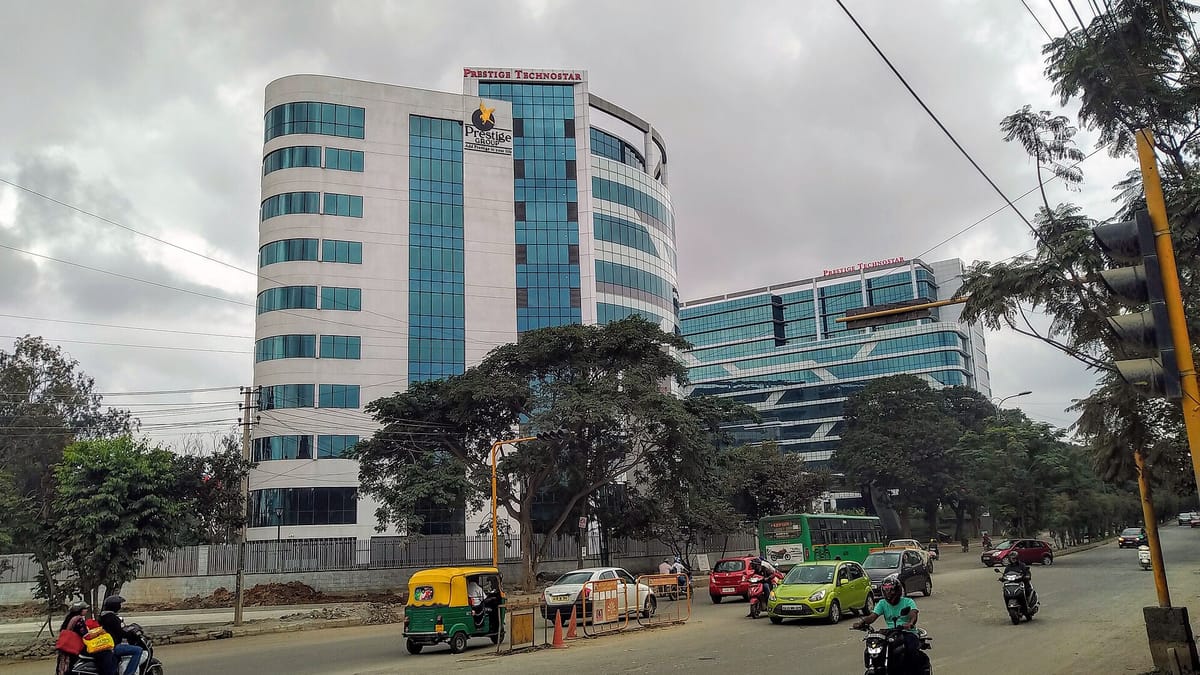
Corposol is a custom software company founded in 2018. Our development team is in Bengaluru, India — one of the country's largest engineering and manufacturing regions — and our US company, Corposol LLC, is in Whitefish, Montana. We build manufacturing software for factories in India and abroad, work in phases with regular demos, and transfer all custom code on final payment. Contact us to discuss your project.
Frequently asked questions
Why do manufacturers outsource software development to India?
Access to experienced developers, a mature software industry, good English communication, working-hour overlap with Europe and the Middle East, and in many cases lower overall development cost than hiring locally.
How do we protect our intellectual property?
Use a contract that assigns ownership of custom code and deliverables to you, includes confidentiality obligations, and keeps source code in a repository you can access. Check which legal entity you are contracting with and which law governs the contract.
Will time zones cause delays?
Usually not, if the team plans a daily overlap for questions and you have a decision-maker who responds quickly. Work can progress while your team is offline, with updates waiting the next morning.
Can the team visit our plant?
For larger projects, a site visit during discovery is valuable. Many projects also succeed with video walkthroughs of the shop floor, sample documents and screen-sharing sessions with users.