Transformers, switchgear and substations are the backbone of electrical supply for utilities, industries, commercial buildings and campuses. Failures are expensive and dangerous: a transformer failure can mean days without power and costly replacement. Electrical contractors and in-house maintenance teams keep these assets healthy through inspections, oil testing, thermography, protection testing and periodic maintenance — all of which generate records that matter for safety and reliability.
Asset register
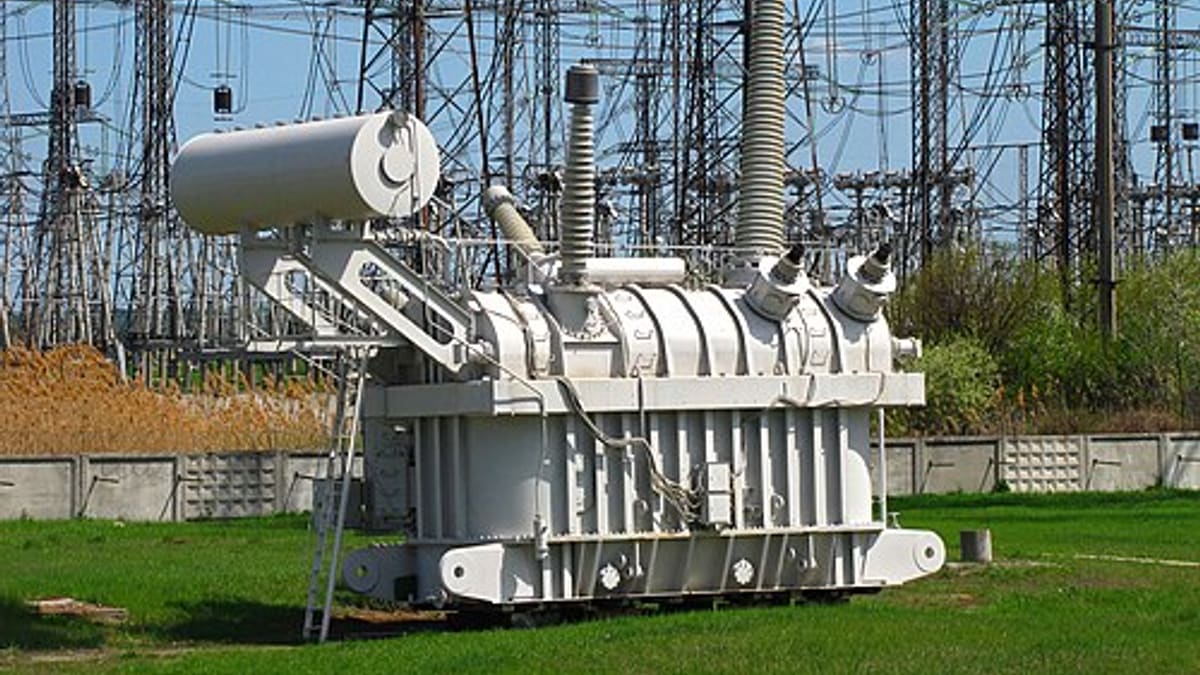
Each substation is recorded with its equipment: transformers (rating, voltage, cooling type, oil volume, serial number, year), circuit breakers, isolators, protection relays, CTs and PTs, batteries and chargers, earthing system and cables. Single-line diagrams and nameplate photos are attached.
Inspections
Routine inspections cover oil levels and leaks, silica gel condition, temperatures, bushings, cooling fans, breaker operation counters, panel indications, battery voltages, housekeeping and security. Mobile checklists with photos replace paper logs and highlight abnormal conditions immediately.
Transformer oil testing
Oil condition reveals transformer health. Periodic tests — breakdown voltage, moisture, acidity, and dissolved gas analysis where applicable — are recorded per transformer. Trends show deterioration or developing faults, guiding filtration, oil replacement or further investigation.
Thermography
Thermal scans of connections, bushings, breakers and cables find hotspots before they cause failures. Recording images, temperatures and locations, and tracking corrective work to closure, turns surveys into risk reduction.
Protection testing
Protection relays must operate correctly when faults occur. Relay settings and periodic test results are recorded per relay, with due dates. Breaker timing tests and CT/PT checks complement relay testing.
Earthing
Earthing systems protect people and equipment. Earth pit resistance readings recorded periodically per pit, with trends and alerts, ensure problems are caught and corrected.
Outage planning and permits
Major maintenance requires shutdowns. Planning outages — approvals, switching sequences, isolation, permits to work and restoration checks — and recording them against the work order supports safe practice and coordination with the customer's operations.
Batteries and DC systems
Substation batteries power protection and control during outages. Regular voltage checks, specific gravity or impedance readings and charger checks keep DC systems reliable.
Breakdowns and faults
Trips and faults are logged with time, equipment, cause and restoration. Analysis of fault history helps target maintenance and investment.
A practical rollout
Start with asset registers and inspection checklists for key substations, then add oil test records, protection testing and thermography, followed by outage planning and fault analysis.
Common problems this software solves
- Oil test reports filed without trend analysis.
- Relay tests overdue without anyone noticing.
- Thermography findings not corrected.
- Earthing readings on paper only.
- Outages planned informally.
KPIs to track
- Inspections completed on schedule.
- Oil test results within limits.
- Protection tests completed before due date.
- Hotspots corrected within target time.
- Unplanned outages per substation.
Corposol builds electrical utility maintenance software. Talk to us.
Industrial and commercial substations
Factories, hospitals, malls and campuses own their substations but rarely have specialist staff to maintain them. Electrical contractors offering annual maintenance contracts for these customers provide inspections, oil tests, thermography, relay testing and earthing checks, along with breakdown support. Clear reports after each visit — what was tested, results against limits, recommended actions and their urgency — help facility managers understand risks and approve corrective work. Over the years, the contractor's records become the customer's main source of truth about their electrical infrastructure.
Dissolved gas analysis and condition assessment
For larger transformers, dissolved gas analysis can indicate developing faults such as overheating or partial discharge long before failure. Storing results over time, alongside load and temperature history, supports informed decisions: continue monitoring, increase test frequency, investigate further or plan replacement. Combining oil test trends, thermography and inspection findings gives a fuller picture of each transformer's condition than any single test.
Spares and emergency preparedness
Major transformer failures can mean long lead times for replacements. Keeping records of critical spares — bushings, gaskets, breakers, relays, batteries — and, for larger networks, mobile or spare transformers, helps owners prepare for emergencies and restore supply faster.
Frequently asked questions
Can oil test results be trended?
Yes. Dielectric strength, moisture, acidity and dissolved gas analysis results are stored per transformer and shown over time, highlighting deterioration early.
Can protection relay tests be recorded?
Yes. Relay settings, test results and dates are recorded per relay, with due-date reminders for the next test.
Can outages for maintenance be planned?
Yes. Maintenance requiring shutdowns can be planned with approvals, switching sequences and permits recorded against the work.
Can earthing resistance readings be stored?
Yes. Earth pit readings are recorded per pit and site, with trends and alerts when readings exceed limits.
Can thermography images be attached?
Yes. Thermal images and hotspot findings are attached to equipment, and corrective actions are tracked.
Does the software replace the utility's grid systems?
No. It manages maintenance work and records. Grid operation and protection systems remain separate; data can be connected where they offer interfaces.
Can industrial customers get annual maintenance reports?
Yes. Inspections, oil tests, thermography, relay tests and earthing readings are compiled into a report with results against limits and recommended actions ranked by urgency.
Can critical spares for substations be tracked?
Yes. Bushings, gaskets, breakers, relays and batteries can be recorded by location with minimum levels, helping owners prepare for emergencies.
Can dissolved gas analysis results be stored alongside other tests?
Yes. DGA results are stored per transformer next to oil tests, thermography and inspection findings, giving a combined view of condition over time.
Can breaker operation counts be recorded?
Yes. Operation counters and timing test results are recorded per breaker, helping plan maintenance based on actual operations rather than fixed intervals.
Can switching sequences be attached to outage plans?
Yes. Switching sequences, isolation points, permits and restoration checks are attached to each planned outage, supporting safe and coordinated shutdowns.