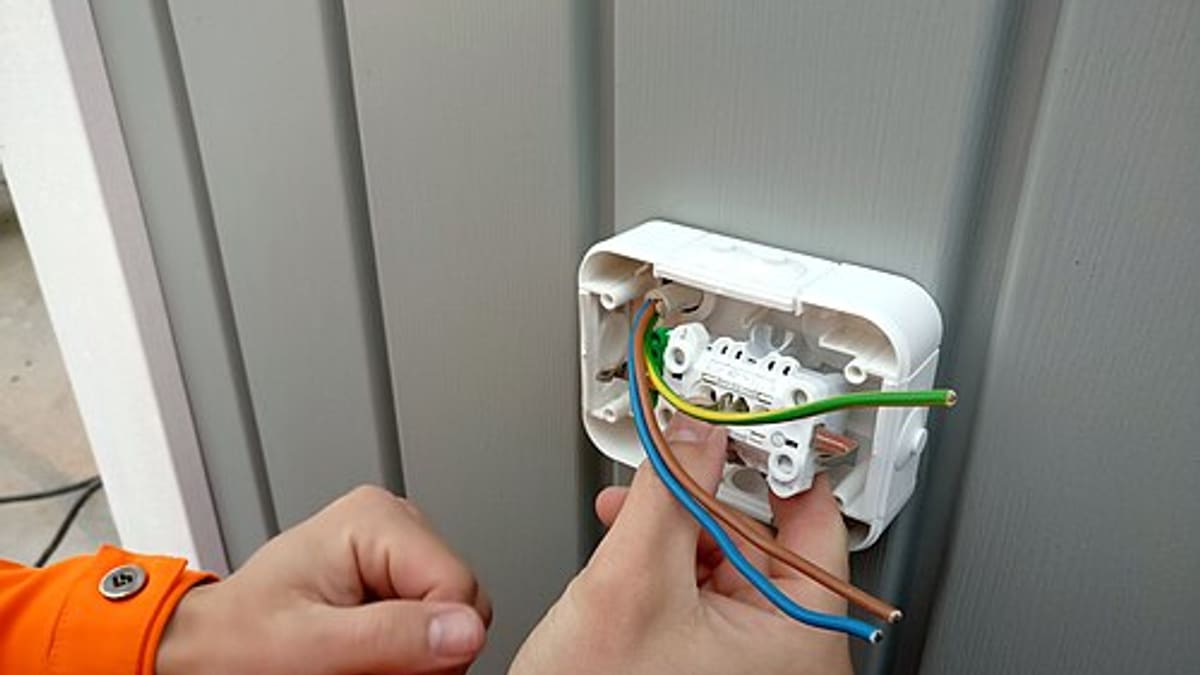
Electrical contractors handle a wide range of work: new installations in homes, offices and factories; service calls for faults and breakdowns; testing and inspection; and maintenance contracts for panels, transformers, substations and building electrical systems. The work is safety-critical, often regulated, and involves significant materials. Managing projects in spreadsheets, service calls on WhatsApp and test results on paper leads to cost overruns, missing records and slow invoicing.
Project management
Electrical installation projects move through stages: survey and design, quotation, approval, materials procurement, conduiting and cabling, panel installation, wiring and terminations, testing, energisation and handover. Tracking each project by stage with tasks, materials, photos and issues gives project managers visibility and helps keep multiple sites on schedule.
Materials planning and control
Cables, conduits, trays, switchgear, fittings and accessories make up a large share of project cost. Planning materials from the estimate, issuing them against the project, recording returns and comparing planned with actual quantities reveals waste and theft, and supports accurate project costing.
Service calls
Faults — tripping breakers, power failures, burning smells, faulty fittings — need prompt response. Service calls are logged with priority, assigned to available electricians and tracked to closure. Electricians record findings, work done, materials used and photos.
Testing and inspection records
Testing is central to electrical work: insulation resistance, continuity, earth resistance, loop impedance, RCD trip times and polarity. Recording results per circuit or equipment on a tablet, with pass/fail against limits, produces test reports automatically. These records are valuable evidence for customers and inspectors.
Maintenance contracts
Commercial and industrial customers need ongoing maintenance: panel cleaning and tightening, thermography to find hotspots, transformer oil tests, earthing pit checks, DG changeover tests, lighting maintenance. Contracts with scheduled visits and SLAs for faults create recurring revenue. The software schedules work, provides checklists and records findings.
Safety and permits
Electrical work requires isolation, lockout and permits for higher-risk tasks. Recording isolation and permit details before work starts supports safe practice and provides documentation. Safety checklists on the app reinforce procedures.
Technician app
Electricians use an app for job details, drawings, checklists, test results, materials, photos and customer sign-off. Offline mode helps in basements, plant rooms and new construction without connectivity.
Invoicing
Service calls are invoiced from job details; projects are billed by stage or milestone. Linking invoices to completed work speeds billing and reduces disputes.
A practical rollout
Start with service calls and the technician app with test records, then add project tracking and materials control, followed by maintenance contracts and customer portals.
Common problems this software solves
- Projects overrunning without early warning.
- Materials issued but not tracked.
- Test results on paper, hard to find later.
- Maintenance visits missed.
- Slow billing after work is completed.
KPIs to track
- Project margin versus estimate.
- Materials variance per project.
- Service call response time.
- Maintenance visits completed on schedule.
- Days from completion to invoice.
Corposol builds electrical contractor software. Talk to us.
Thermography and condition-based maintenance
Thermal imaging of panels, busbars, cable terminations and transformers finds loose connections and overloaded circuits before they fail or cause fires. Recording thermographic surveys — images, hotspot temperatures, locations and recommended actions — and tracking corrective work to closure turns surveys into real risk reduction. Repeat surveys show whether issues were resolved and whether new ones are developing. For many industrial customers, this is one of the most valued parts of an electrical maintenance contract.
As-built documentation
At the end of a project, customers need single-line diagrams, panel schedules, cable schedules, test reports and equipment manuals. Collecting these throughout the project — attaching drawings at each revision, test results as they're recorded, datasheets as equipment is installed — means the handover pack is ready when the work is, rather than assembled under pressure weeks later.
Managing many small jobs and a few large projects
Most electrical contractors run a mix: many small service jobs that bring cash flow, and a few large projects that bring growth. Seeing both on one dispatch and resource board helps balance electricians between urgent service calls and project deadlines, and prevents projects from slipping because the best people keep getting pulled into service work.
Frequently asked questions
Can test results be recorded and certificates produced?
Yes. Insulation resistance, earth resistance, loop impedance, RCD and other test results are recorded per circuit or equipment, and test reports are generated in your format.
Can we manage both projects and service calls?
Yes. Projects are tracked by stage and materials, while service calls follow a dispatch workflow — both in one system with shared customers and technicians.
Can preventive maintenance of panels and substations be scheduled?
Yes. Panels, transformers, DG changeovers and earthing pits can be registered with maintenance schedules, checklists and thermography records.
Can materials be issued against projects?
Yes. Cables, conduits, switchgear and accessories are issued against projects, with planned versus actual quantities and returns tracked.
Can electricians record safety permits?
Yes. Isolation and permit-to-work records can be captured before work starts, supporting safe practice and documentation.
Can customers see project progress?
Yes. Stage progress and photos can be shared through reports or a portal, reducing status calls.
Can thermography surveys be recorded with images?
Yes. Thermal images, hotspot temperatures, locations and recommended actions are recorded per survey, and corrective work is tracked to closure so customers can see risks being removed.
Can handover documents be compiled automatically?
Yes. Drawings, test reports and equipment datasheets attached during the project are compiled into a handover pack at completion.
Can electricians be shared between service calls and projects?
Yes. A combined resource board shows each electrician's service jobs and project assignments, so coordinators can balance urgent calls against project deadlines without pulling key people off projects at the wrong time.