
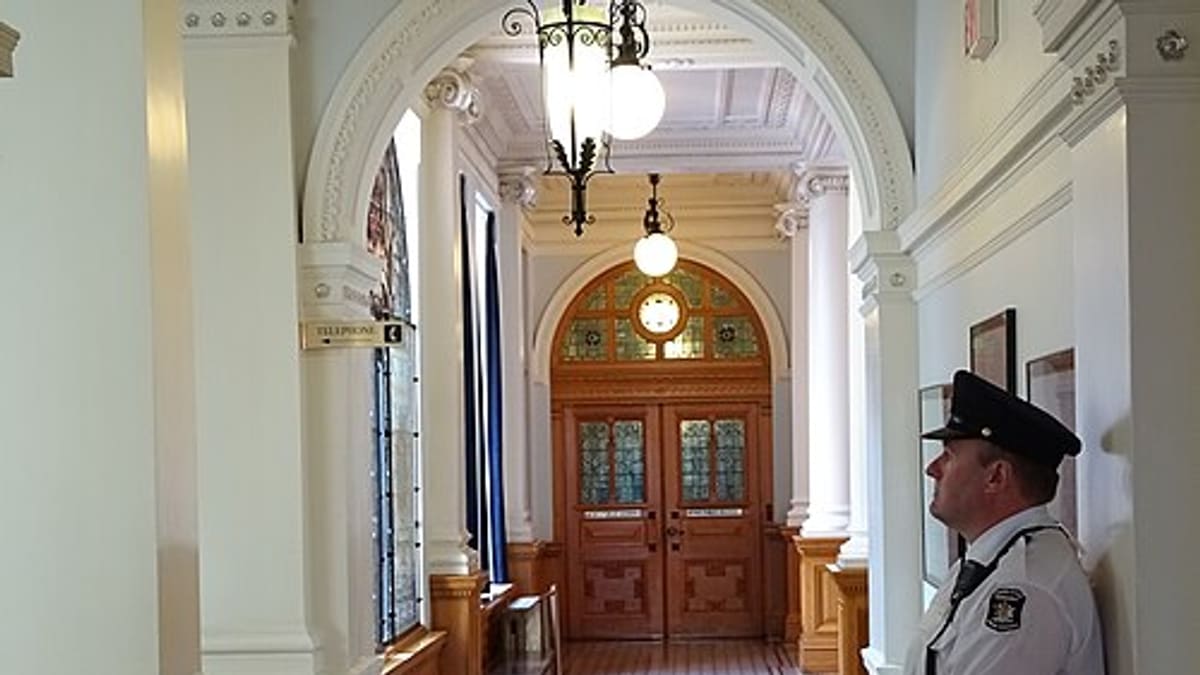
Security agencies deploy guards across many client sites — offices, factories, apartments, hospitals, warehouses and events — often around the clock. Clients pay for guards to be present and alert, and they expect evidence. Agencies must manage rosters, attendance, reliever arrangements, patrols, incidents, training records and supervisor visits. Paper registers and phone calls leave gaps that clients notice — and that competitors exploit.
Rosters and deployment
Each site has posts and shifts with required guard numbers. Rosters assign guards to posts, rotating as needed. The system shows staffing against contract per site and shift, so gaps are visible before they occur.
Attendance at posts
Guards check in at their posts using mobile GPS or a QR code at the post. Late or missing check-ins raise alerts to supervisors, who arrange relievers. Attendance data supports payroll and confirms guard deployment billed to clients.
Patrol verification
Patrol routes with checkpoints (QR or NFC tags) ensure guards cover the premises. Each scan records time and location; missed checkpoints or late patrols are flagged. Patrol history provides evidence for clients and insurers.
Incident reporting
Guards report incidents — intrusion, theft, fire, medical emergency, suspicious activity, equipment failure — from their phones with photos and descriptions. Supervisors and clients are notified according to severity. Incident logs support investigations and trend analysis.
Supervisor visits
Field supervisors visit sites to check guard alertness, grooming, registers and equipment. Visit checklists with photos record findings and corrective actions, ensuring sites are supervised as contracted.
Training and compliance records
Guard training, background verification and licences may be required by clients and local regulations. Recording these per guard with expiry reminders keeps the workforce deployable and supports audits; compliance with applicable regulations remains the agency's responsibility.
Visitor and material registers
At many sites, guards maintain visitor logs and material movement registers. Digital registers with photos and timestamps are easier to search and report on than paper books.
Client reporting
Daily or monthly reports — attendance, patrol compliance, incidents and supervisor visits — demonstrate service and support renewals.
A practical rollout
Start with rosters and post check-in for key clients, add patrol checkpoints and incident reporting, then supervisor visits, training records and client reports.
Common problems this software solves
- Guards absent without immediate knowledge.
- Patrols claimed but not done.
- Incidents reported late or verbally.
- Supervisor visits unverified.
- Expired training or licences.
KPIs to track
- Post coverage against contract.
- Patrol compliance.
- Incident response time.
- Supervisor visits per site.
- Guard turnover.
Corposol builds security guard management software. Talk to us.
Event and temporary deployments
Security agencies often supply guards for events, construction sites and temporary needs at short notice. Creating temporary sites with posts and shifts, deploying guards quickly and tracking attendance and incidents for the event period keeps these jobs organised and billable. After the event, a report of deployment and incidents supports billing and future proposals.
Guard welfare and retention
High guard turnover is a major challenge in the security industry. Fair rostering, timely payment based on accurate attendance, recognition for good performance and quick response to guards' concerns help retain good people. Attendance and performance data make these practices possible and reduce the cost of constant recruitment and training.
Integrating with electronic security
Many sites combine guards with CCTV, alarms and access control. Recording both manned and electronic security at a site — and linking alarms or CCTV observations to guard responses where systems allow — gives clients a complete picture. Agencies that also install electronic systems can see the full security setup per client. See CCTV and security software.
Billing accuracy
Security contracts are billed by guard shifts deployed. Disputes arise when clients believe posts were unmanned. Attendance with GPS or QR proof, patrol records and supervisor visits provide evidence that supports accurate billing and reduces disputes.
Frequently asked questions
Can guards check in at their posts?
Yes. Guards check in via mobile with GPS or a QR code at the post, and supervisors see live attendance by site and shift.
Can patrols be verified with checkpoints?
Yes. QR or NFC checkpoints scanned during patrols record route and timing, and missed checkpoints raise alerts.
Can guards report incidents with photos?
Yes. Incidents are reported from the guard's phone with category, description, photos and time, and supervisors and clients can be notified immediately.
Can training and verification records be stored?
Yes. Training certificates, background verification status and licence expiry dates are recorded per guard with reminders.
Can clients receive daily or monthly reports?
Yes. Attendance, patrols, incidents and site visits by supervisors are compiled into reports for each client.
Can relievers be arranged quickly for absences?
Yes. Absences are flagged as soon as a guard fails to check in, and available relievers can be assigned from the roster.
Can temporary event deployments be managed?
Yes. Temporary sites with posts and shifts are created for events, guards are deployed quickly, and attendance and incidents are reported for billing.
Can attendance data support billing disputes?
Yes. GPS or QR check-ins, patrol scans and supervisor visits provide evidence of deployment, reducing disputes about unmanned posts.
Can guards' payments be based on recorded attendance?
Yes. Attendance records feed payroll calculations, helping ensure guards are paid accurately and on time, which supports retention.
Can licence and training expiry be tracked?
Yes. Guard licences, training certificates and verification status are recorded with expiry dates and reminders, helping the agency keep its workforce deployable.
Can incidents be escalated by severity?
Yes. Severity rules decide who is notified — supervisor, operations manager or client — and how quickly, so serious incidents reach the right people immediately.
Can visitor registers be kept digitally?
Yes. Visitor and material movement entries are recorded with photos and timestamps, making them easy to search and report on.


