UPS and inverter systems protect critical loads — servers, hospital equipment, industrial controls, homes during power cuts. Their reliability depends heavily on batteries, which age and fail gradually and often without warning. UPS and inverter service companies maintain large numbers of systems and battery banks across many customers. Without a system, battery ages are unknown, preventive visits are missed, and replacements become emergencies rather than planned sales.
The UPS and inverter service workflow
- Installation — UPS or inverter and batteries registered with specifications and installation date.
- Warranty and AMC — coverage for UPS electronics and batteries.
- Preventive maintenance — visual checks, cleaning, voltage and load readings, battery tests.
- Breakdown calls — UPS alarms, no backup, battery failures.
- Battery replacement — planned or emergency.
- Reports and renewals.
Installed-base and battery register
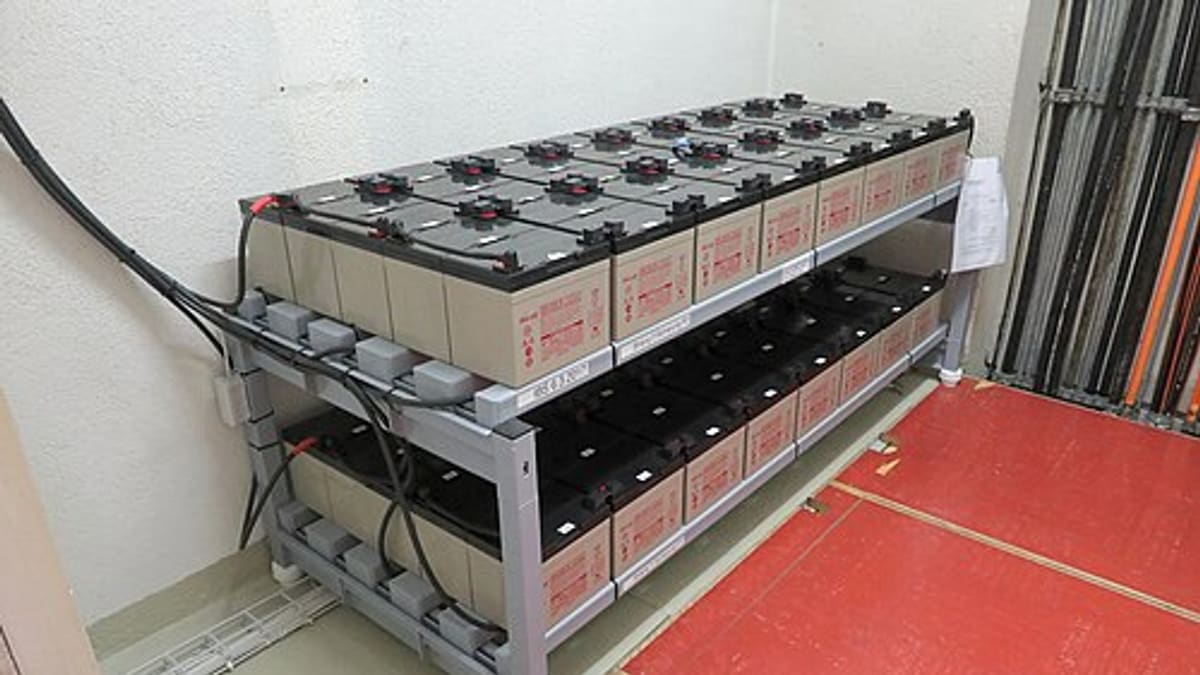
Each system is recorded with site, make, model, kVA rating, serial numbers, configuration (single, parallel, redundant) and installation date. Battery banks are recorded separately: battery make and model, quantity, voltage, capacity and installation date. This distinction matters because batteries are usually replaced several times during a UPS's life.
Preventive maintenance checklists
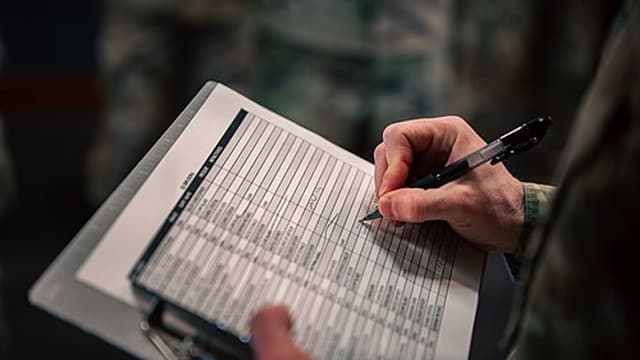
Checklists cover input and output voltage, load percentage, alarms and event logs, fans and filters, capacitors where accessible, bypass operation, battery voltage per block, terminal condition and tightness, and room temperature. Readings are recorded on the technician's app and compared with previous visits.
Battery health tracking
Battery voltage, and impedance or conductance where testers are available, recorded per battery across visits shows degradation trends. Batteries drifting from the rest of the bank can be flagged before they fail. Room temperature readings matter too — high temperature shortens battery life significantly.
Forecasting battery replacements
Battery life depends on design and conditions. Using installation dates, expected life and test trends, the software can list batteries likely to need replacement over the next three, six and twelve months. This turns emergency replacements into planned proposals — better for customers' reliability and for the service company's sales pipeline.
Breakdown management
When a UPS alarms or fails to provide backup, the customer needs fast response. Calls are logged with priority based on the load protected — a data centre UPS is more urgent than a home inverter. Technicians see the system's history and battery status before arriving, and parts used are recorded.
Residential inverter service
Residential customers need simple booking, quick visits and reminders for battery water top-ups (for flooded batteries) and periodic checks. High volumes of small jobs benefit from efficient scheduling by area and automatic reminders.
AMC and warranty management
Separate coverage for electronics and batteries is common. The software records what's covered, schedules preventive visits, applies coverage rules when parts are used and reminds you before renewal. See AMC management.
Remote monitoring
Many UPS systems offer network cards or monitoring platforms. Where they provide an interface, alarms can create service tickets automatically. Hardware, licences and integration feasibility depend on the UPS manufacturer and are confirmed during scoping.
Common problems this software solves
- Unknown battery ages across the customer base.
- Emergency replacements instead of planned ones.
- Preventive visits missed.
- Readings recorded on paper and never compared.
- Lost renewal and replacement revenue.
KPIs to track
- Preventive visits completed on time.
- Battery replacements planned versus emergency.
- Breakdown response time by priority.
- Battery replacement revenue pipeline.
- AMC renewal rate.
Where to start
Register systems and battery banks first, then add AMCs and preventive visits with readings, followed by breakdown handling and replacement forecasting. Corposol builds UPS service software. Talk to us.
Data centre and critical-load customers
Customers with critical loads — data centres, hospitals, banks, process plants — usually require detailed preventive maintenance reports, defined response times and documented battery health. They may also require scheduled maintenance windows when the UPS can be put on bypass. Software that records these windows, captures detailed readings and produces formal reports makes it possible to meet expectations consistently, and gives the customer's facilities team evidence for their own audits.
Battery disposal and replacement records
Replaced batteries must be handled and disposed of responsibly according to local rules. Recording which batteries were removed from which site, and where they were sent, provides a clear record for customers and for your own compliance obligations, which remain the company's responsibility.
Selling upgrades
An accurate installed base shows UPS systems nearing end of life, sites where load has grown close to capacity, and customers with ageing battery banks. Each is an opportunity for a timely proposal — a new UPS, additional capacity or a battery replacement — supported by data the customer can see in their own service reports.
Frequently asked questions
Can battery banks be tracked individually?
Yes. Each battery bank — and individual batteries where needed — can be recorded with make, model, installation date and test readings.
Can the software forecast battery replacements?
Yes. Based on installation date, expected life and test readings, it can list batteries due for replacement in coming months.
Can technicians record voltage and impedance readings?
Yes — per battery or per bank, with trends visible across visits.
Does it support residential inverter customers?
Yes. Residential inverters and batteries can be managed alongside commercial UPS systems.
Can customers book service on WhatsApp?
Yes, through the WhatsApp Business API or a booking link (WhatsApp's own charges apply).
Can bypass and maintenance windows be scheduled with customers?
Yes. Preventive visits for critical sites can be booked into agreed maintenance windows, with reminders to both the customer and the technician.
Can replaced batteries be tracked for disposal?
Yes. Removed batteries are recorded against the site and job, with where they were sent, giving a clear record for customers and for your own obligations.