
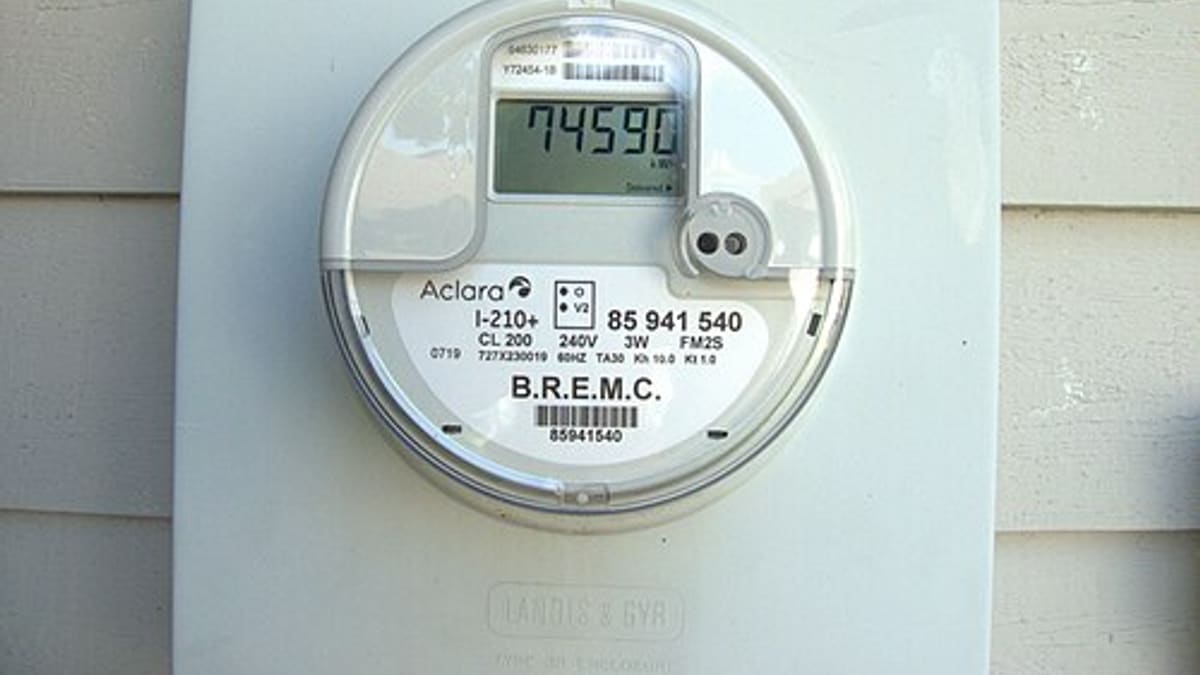
Meter reading sounds simple: visit the meter, note the number. At scale, it's anything but. Utilities, sub-metering providers, housing societies, malls and commercial landlords read thousands of water, electricity and gas meters every cycle. Errors and estimated readings create billing disputes, and readers who skip meters cost money and trust. A meter reading app with routes, photo proof and validation transforms accuracy and productivity.
Meter register
Each meter is recorded with ID, type, location (address, building, floor, unit), customer, multiplier and last readings. GPS coordinates and photos of the meter location help new readers find meters quickly.
Routes and assignments
Meters are grouped into routes by area and reading cycle. Routes are assigned to readers, who see their list in walking or driving order. Supervisors track progress in real time and reassign routes when readers are absent.
Photo proof
Each reading is accompanied by a photo of the meter display, timestamped and geotagged. Photos make it possible to verify readings in the office and resolve customer disputes with evidence.
Validation on the spot
Readings are compared with history: a reading lower than the previous one, or consumption far above normal, triggers an immediate prompt to recheck. Catching errors on the spot avoids costly revisits and incorrect bills.
Exceptions
When a meter can't be read — locked premises, dog on site, meter damaged, meter not found — readers record the exception with a reason and photo. Exceptions are followed up, and repeated exceptions highlight access or meter problems.
Offline operation
Meters are often in basements, utility rooms and remote areas without connectivity. Offline capture with automatic sync is essential.
Data export
Validated readings are exported to billing systems in the required format or via API where available. Fast, clean data shortens the billing cycle.
Sub-metering and building operators
Housing societies, malls and commercial buildings that bill tenants for water or electricity benefit from the same approach: accurate readings with proof reduce disputes and support fair billing. See mall management software.
A practical rollout
Import the meter register, set up routes, and give readers the app with photo capture and validation. Add exception workflows and billing exports next.
Common problems this software solves
- Estimated or fabricated readings.
- Billing disputes without evidence.
- Readers unable to find meters.
- Errors discovered after bills are issued.
- Slow data entry delaying billing.
KPIs to track
- Meters read per reader per day.
- Readings with photo proof.
- Validation exceptions and rechecks.
- Unread meters per cycle.
- Billing disputes.
Corposol builds meter reading software. Talk to us.
Water utilities and leak detection
For water utilities and large campuses, meter readings reveal more than consumption: sudden increases can indicate leaks, and zero consumption at occupied premises can indicate faulty meters or bypasses. Flagging these patterns during reading — and creating follow-up tasks for inspection — turns routine reading into a tool for reducing water losses. Field staff can photograph the situation and record observations, giving the office the information needed to act.
Meter replacement and maintenance
Meters fail, get damaged or reach the end of their life. Exceptions recorded during reading — stuck dials, broken glass, missing seals — become replacement or maintenance jobs. Recording new meter details and final readings of replaced meters keeps billing continuous and accurate.
Transitioning to smart meters
Many utilities are gradually adopting smart meters. During the transition, a mix of manually read and remotely read meters must be managed together. Keeping all meters in one register, with reading methods recorded, allows routes to shrink as smart meters are installed and ensures no meter is forgotten. Smart meter data can be imported where the provider offers an interface.
Reader productivity and safety
Readers walk long distances, enter basements and private premises, and sometimes face dogs or hostile customers. Optimised routes, access notes for each meter and the ability to report safety concerns help readers work efficiently and safely, while supervisors see where support is needed.
Frequently asked questions
Can readers capture a photo of each meter?
Yes. A photo of the meter display is captured with each reading, providing proof and allowing office verification of unusual readings.
Can readings be validated against history?
Yes. Readings far outside expected ranges based on history are flagged on the spot, so readers can recheck before leaving.
Can routes be assigned to readers?
Yes. Meters are grouped into routes by area, assigned to readers, and progress is visible to supervisors.
Does the app work offline?
Yes. Readers can capture readings offline in basements and remote areas, syncing when connectivity returns.
Can exceptions like locked premises be recorded?
Yes. Exceptions — no access, meter damaged, meter not found — are recorded with photos and reasons.
Can readings be exported to billing systems?
Yes. Readings can be exported in required formats or sent to billing systems where they provide an API or import facility.
Can suspected leaks be flagged during reading?
Yes. Unusually high consumption or zero consumption at occupied premises can be flagged, creating follow-up inspection tasks with photos and notes.
Can manual and smart meters be managed together?
Yes. All meters stay in one register with reading methods recorded, so routes shrink as smart meters are installed and none are forgotten.
Can readers record access and safety notes?
Yes. Notes such as key locations, gate codes or dogs on site are stored per meter and shown to readers, and safety concerns can be reported to supervisors.
Can replaced meters keep billing continuous?
Yes. When a meter is replaced, final readings of the old meter and opening readings of the new one are recorded together, so billing continues without gaps or manual adjustments.
Can supervisors see reading progress live?
Yes. Route progress, readings captured and exceptions are visible in real time, so supervisors can reassign work when needed.


