
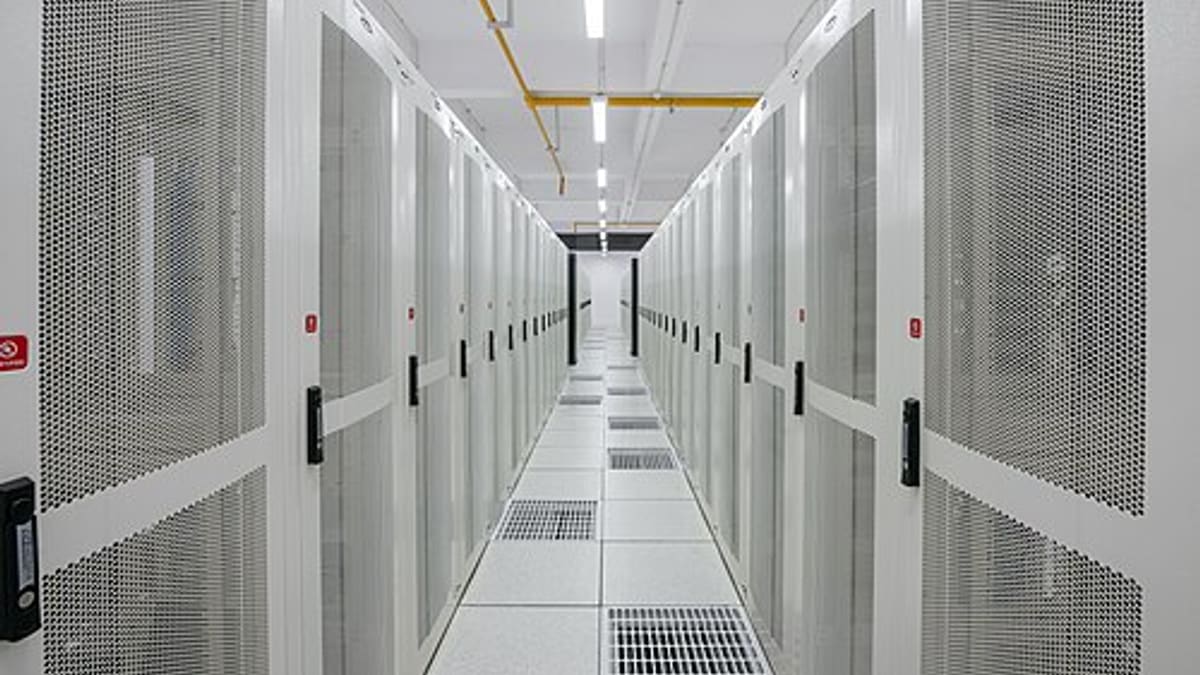
Data centres are built around one promise: the IT load never loses power or cooling. Behind that promise is a large, interdependent set of critical infrastructure — utility feeds, transformers, switchgear, UPS systems, batteries, generators, fuel systems, PDUs, chillers, CRAC and CRAH units, fire detection and suppression, and building management systems. Maintaining all of this without disrupting operations requires disciplined planning, strict change control and complete records. Generic maintenance spreadsheets aren't enough.
The critical asset register
Every critical asset is recorded with location (hall, row, room), make, model, serial number, capacity, redundancy configuration (N, N+1, 2N), installation date, warranty and maintenance contract. Relationships matter: which UPS feeds which PDUs, which chillers serve which halls. Understanding dependencies helps assess the risk of any maintenance activity.
Preventive maintenance schedules
Each asset type has manufacturer-recommended maintenance: UPS inspections and battery tests, generator services and load bank tests, chiller and CRAC servicing, switchgear inspections and thermography, fire suppression checks. The software generates these tasks on schedule, assigns them to in-house teams or vendors, and tracks completion.
Change windows and method statements
Maintenance on critical systems carries risk. Most data centres require change approval: a method of procedure, risk assessment, rollback plan and scheduled window, approved before work begins. Linking work orders to approved changes ensures nothing happens on critical infrastructure without authorisation, and creates a complete record of what was done.
Daily rounds
Operations staff perform rounds — checking UPS load and alarms, battery status, PDU loads, cooling unit temperatures and alarms, generator readiness, fuel levels, fire panel status, water detection and physical security. Digital rounds with readings and photos replace paper logs, highlight out-of-range values immediately and show trends over time.
Incident management
When something goes wrong — a UPS alarm, a cooling unit failure, a power event — the team records the incident with a timeline of events, actions and communications. Post-incident reviews identify root causes and preventive actions, which are tracked to completion. Customers and management receive clear incident reports.
Vendor management
Much specialist maintenance is performed by OEMs and contractors. Scheduling their visits, recording access and permits, attaching their service reports and tracking findings to closure keeps vendor work under control. Vendor performance — response times, report quality, findings closed — can be reviewed periodically.
Capacity and load records
Readings from rounds and maintenance — UPS loads, PDU loads, cooling capacity — show how much headroom remains. While dedicated capacity planning tools exist, having load data alongside maintenance records helps operations teams spot when redundancy is at risk.
Spare parts and critical spares
Critical spares — UPS modules, fans, breakers, filters, sensors, batteries — must be available when needed. Tracking spares by location with minimum levels, and linking them to assets, ensures failures can be addressed quickly.
Compliance and audits
Customers, certifications and internal audits expect evidence of maintenance, testing and incident handling. Complete digital records make audit preparation straightforward. The software supports the evidence; compliance depends on the operator's processes and certification bodies.
Smaller server rooms and edge sites
Not every critical facility is a large data centre. Server rooms in offices, hospitals and factories, and distributed edge sites, need the same basics on a smaller scale: asset registers, preventive maintenance, alarms and incident logs. Service providers that support many such sites benefit from one system across all of them.
A practical rollout
Start with the critical asset register and preventive schedules, then add digital rounds and incident management, followed by change control integration, vendor management and customer reporting.
Common problems this software solves
- Maintenance performed without approved change windows.
- Paper round sheets with missed readings.
- Vendor reports filed but findings never closed.
- Incidents without clear timelines or follow-up.
- Audit preparation taking weeks.
KPIs to track
- Preventive maintenance compliance on critical assets.
- Rounds completed on schedule.
- Incidents by cause and time to resolve.
- Vendor findings closed within target.
- Critical spares availability.
Corposol builds data centre maintenance software. Talk to us.
Load bank testing and generator readiness
Generators in data centres must carry full load when the utility fails. Periodic load bank tests, fuel quality checks and automatic transfer tests are scheduled, recorded with readings and reviewed. Test failures become high-priority work orders. Keeping these records together with daily readiness checks shows clearly whether backup power is truly ready.
Frequently asked questions
Can maintenance be linked to change approval windows?
Yes. Maintenance on critical assets can require an approved change window before work starts, with the approval, risk assessment and method statement attached to the work order.
Can daily rounds be done on tablets?
Yes. Technicians follow round routes with readings for UPS, PDUs, cooling units, fire panels and generators, and out-of-range readings raise alerts immediately.
Can incidents be recorded with timelines?
Yes. Incidents are logged with timelines of events, actions taken, people involved and root cause, supporting post-incident reviews and customer reporting.
Can vendor service visits be tracked?
Yes. OEM and contractor visits are scheduled, their reports attached and their performance tracked against contracts.
Can BMS or monitoring alarms create tickets?
Where the building management or monitoring system offers an API, email alerts or exports, alarms can create tickets. Feasibility depends on the systems in place and is confirmed during scoping.
Can we report uptime and maintenance compliance to customers?
Yes. Maintenance compliance, incidents and response times can be compiled into periodic reports for tenants or internal stakeholders.
Can load bank test results be stored?
Yes. Load bank test readings, transfer tests and fuel checks are recorded per generator, and failures automatically become high-priority work orders.
Can multiple data halls and sites be managed together?
Yes. Assets, rounds and incidents are organised by site and hall, with consolidated dashboards for operations managers responsible for several facilities or edge locations.


