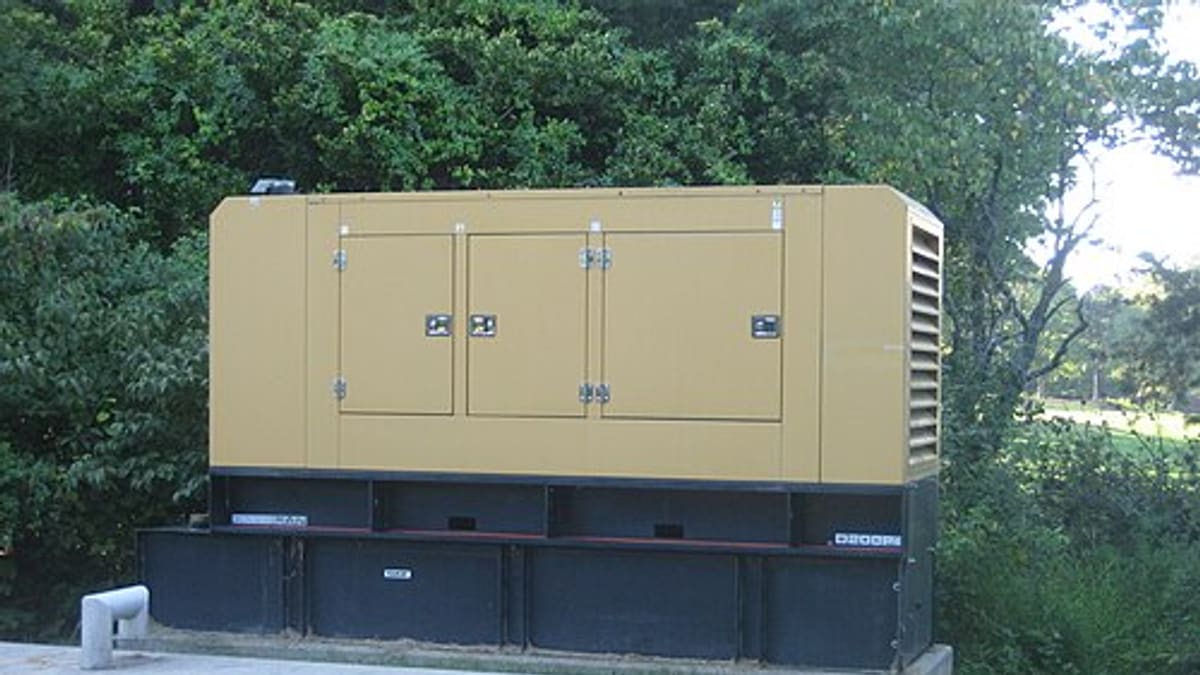
Generators are standby assets that must work exactly when they're needed — during a power failure. That makes maintenance critical. DG set service companies maintain hundreds or thousands of units across factories, hospitals, offices, telecom sites and residential complexes, each with its own engine, alternator, controller, run hours and contract. Missing a service or a battery check can mean a generator fails to start when the grid goes down — a serious problem for the customer and a reputational risk for the service company.
The generator service workflow
- Installation and commissioning — unit registered with specifications, warranty and commissioning readings.
- AMC or warranty coverage — service schedule based on run hours and calendar.
- Preventive services — oil, filters, coolant, belts, batteries, load test.
- Breakdown calls — failure to start, overheating, low output, alarms.
- Spare parts and repairs — quotes for non-covered parts.
- Reports — service reports and load test records for customers.
- Renewal — AMC renewal and upgrade opportunities.
Installed-base register
Every generator under service is recorded with site, make and model, kVA rating, engine and alternator serial numbers, controller type, installation date, warranty and contract. Batteries, AVRs and ATS/AMF panels can be recorded as components. When a breakdown call comes in, the technician knows exactly what's installed and what was done last time.
Run-hour based servicing
Generator services are typically due at run-hour intervals as well as calendar intervals. Recording run hours at every visit — or capturing them from controllers where they support remote data — lets the software predict when the next service is due. Units in heavy use (telecom towers, sites with unreliable grid power) need services more often than standby units that rarely run.
Preventive maintenance checklists
Service checklists cover engine oil and filter, fuel filters, air filter, coolant level and condition, belts and hoses, battery voltage and electrolyte, starter and charging system, exhaust, alternator, control panel, alarms and protection, and a no-load or load run. Readings — oil pressure, coolant temperature, voltage, frequency — are recorded on the app. Abnormalities become follow-up jobs or quotes.
Load tests and performance records
Periodic load tests confirm a generator can deliver its rated output. Recording voltage, current, frequency, power factor, temperatures and pressures at load stages creates a performance history. Customers such as hospitals and data centres often require these records.
Fuel and oil logs
Fuel consumption and oil top-ups indicate engine health and can reveal leaks or theft. Site staff or technicians can record fuel levels and refills; trends over time support both maintenance decisions and customer conversations about fuel efficiency.
Breakdown management
Breakdown calls — failure to start, low voltage, overheating, alarms — are logged with priority and SLA. The nearest qualified technician is assigned, and the customer is kept informed. Root cause and parts used are recorded, building knowledge about common failures by model.
Spare parts and van stock
Filters, belts, batteries, sensors and consumables are tracked in the warehouse and technicians' vans. Parts used on jobs are deducted automatically and billed when not covered by the contract.
AMC management
Comprehensive and non-comprehensive AMCs define coverage and visit frequency. The software generates visits, tracks SLA performance and reminds you before renewal, with service history to support the renewal conversation. See AMC management.
Remote monitoring
Many modern controllers support remote monitoring of status, alarms, run hours and fuel. Where controllers or their platforms offer an interface, alarms can create tickets automatically and run hours update without visits. Hardware and platform subscriptions are the customer's cost, and integration depends on the controller provider.
Common problems this software solves
- Services missed because run hours aren't tracked.
- Generators failing to start due to unnoticed battery issues.
- Load test records missing during customer audits.
- Parts used without billing.
- AMCs lapsing without renewal.
KPIs to track
- Services completed on time.
- Breakdown response and restoration time.
- Repeat breakdowns per unit.
- Parts revenue and AMC revenue.
- Renewal rate.
Where to start
Begin with the installed-base register and AMCs, add the technician app with service checklists and readings, then breakdown management and spare parts. Remote monitoring integration can follow. Corposol builds generator service software. Talk to us.
Serving telecom and critical-power customers
Telecom towers, hospitals and data centres depend on generators far more than typical commercial users. Their contracts often include tight response times, monthly or even weekly checks, fuel management and detailed reporting. Software that handles priority SLAs, scheduled checks across hundreds of remote sites, fuel logs and automatic monthly reports lets a service company serve these demanding customers profitably — and win more of them.
Frequently asked questions
Can services be scheduled by run hours?
Yes. Run hours recorded at each visit (or from controllers where they provide data) trigger services at the right intervals.
Can technicians record load test readings?
Yes — voltage, frequency, current, power factor, temperatures and pressures recorded on the app with pass/fail against limits.
Can we track fuel and oil consumption?
Yes. Fuel and oil readings at visits, or logs from site staff, can be recorded and trended.
Does it support multiple generator brands?
Yes. Each unit records make, model, engine and alternator details, with brand-specific checklists where needed.
Can customers raise breakdown calls themselves?
Yes, through WhatsApp, a portal or a QR code on the generator.
Can battery checks be scheduled separately from engine services?
Yes. Battery inspections can follow their own monthly or quarterly schedule, since starting batteries are the most common reason a standby generator fails to start.
Can we produce monthly reports for each customer?
Yes. Visits, readings, run hours, fuel logs and breakdowns are compiled automatically into a monthly report per customer or site.