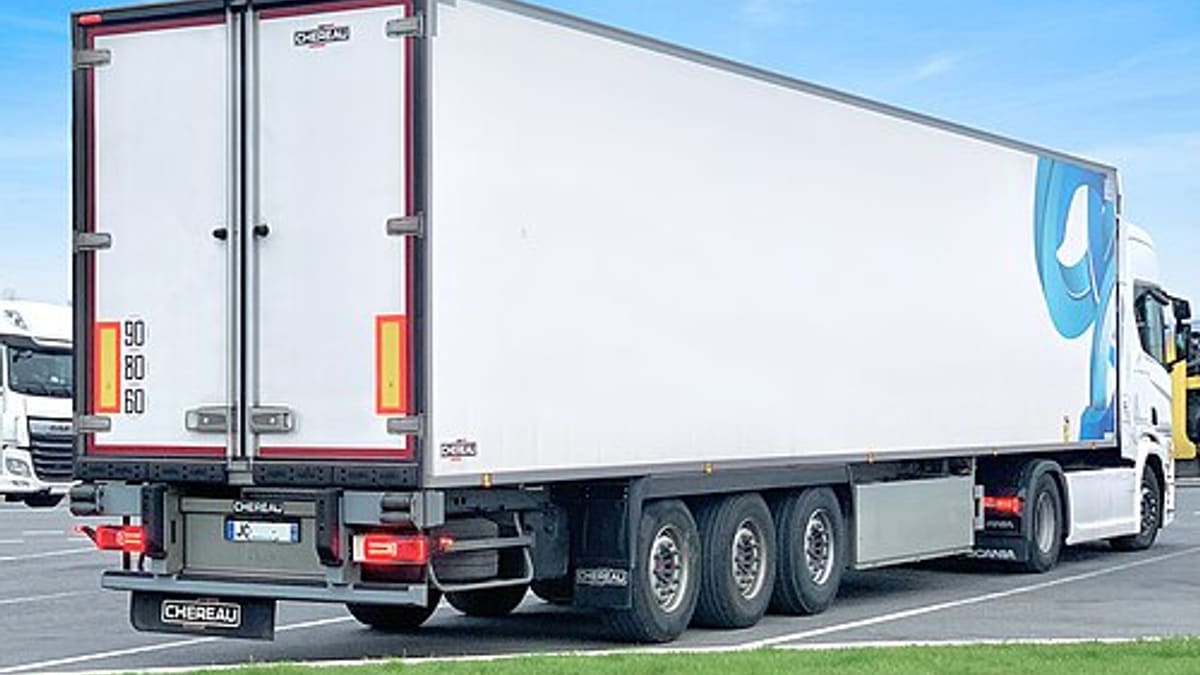
Cold chain operations move and store temperature-sensitive goods: food, dairy, seafood, vaccines, medicines and flowers. A temperature excursion can ruin a shipment worth far more than the cost of transport. Cold chain logistics companies and their service partners maintain reefer trucks and containers, cold rooms, freezers and monitoring devices — and must respond fast when alarms trigger. Documentation of temperatures and maintenance is increasingly demanded by customers.
Asset register
Reefer units (with vehicle numbers), cold rooms, freezers, blast chillers and monitoring devices are registered with make, model, serial numbers, installation dates and service contracts. Each asset's temperature range and criticality are recorded.
Temperature monitoring records
Data loggers and monitoring platforms record temperatures continuously. Linking monitoring data or logger reports to assets, trips and storage records provides evidence for customers and supports investigations of excursions.
Alarm response
When temperatures go out of range, speed matters. Where platforms provide interfaces or alerts, alarms can create service tickets with priority, notifying technicians and operations staff. Response actions and outcomes are recorded.
Preventive maintenance
Reefer units need engine and refrigeration servicing by hours; cold rooms need coil cleaning, door seal checks, defrost checks and refrigerant checks. Scheduled maintenance with checklists reduces failures in transit and storage.
Breakdowns in transit
A reefer failure on the road requires immediate action: nearest service partner, transfer of cargo if needed, and documentation of temperatures during the incident. Recording these steps supports insurance and customer discussions.
Monitoring device maintenance
Loggers and sensors need calibration, battery replacement and placement checks. Tracking devices as assets ensures readings remain reliable.
Customer reporting
Customers want temperature records for their shipments and stored goods, along with evidence of maintenance. Automated reports per customer save time and build confidence.
A practical rollout
Register reefers and cold rooms, set up preventive schedules and alarm tickets, then link temperature records and customer reports.
Common problems this software solves
- Slow response to temperature alarms.
- Reefer services missed.
- Temperature records scattered across devices.
- Sensors out of calibration.
- Customer reports compiled manually.
KPIs to track
- Alarm response time.
- Temperature excursions per month.
- Preventive maintenance compliance.
- Breakdowns in transit.
- Sensors within calibration.
Corposol builds cold chain service software. Talk to us.
Pharmaceutical and vaccine cold chain
Pharmaceutical distribution and vaccine storage typically require tight temperature ranges, calibrated monitoring devices, documented alarm response and records retained for audits. Service providers supporting these customers must record not only repairs but also the temperatures during and after the event, the duration of any excursion and the actions taken to protect product. Clear, timestamped records allow the customer's quality team to assess product impact quickly — a decision that remains theirs.
Pre-trip inspections for reefer vehicles
Before loading, reefer units should be checked: pre-cooling to the required temperature, unit operation, door seals, fuel levels and logger placement. A pre-trip checklist on the driver's or dispatcher's phone, recorded with time and readings, reduces the risk of loading into an unprepared vehicle and provides evidence if questions arise later.
Third-party service networks
Cold chain operators often rely on regional service partners for reefer repairs. Recording partner jobs, response times and costs — and requiring partners to update jobs through the same system — keeps service quality visible across the network and supports decisions about which partners to use on which routes.
Energy and fuel efficiency
Reefer units consume fuel and cold rooms consume significant energy. Maintenance that keeps coils clean, seals intact and defrost working correctly reduces consumption. Recording consumption alongside maintenance shows customers the value of preventive care.
Getting started
Begin by registering reefers and cold rooms with their temperature ranges and service intervals, and set up an alarm-to-ticket process — even if alarms are entered manually at first. Once technicians and operations staff are using the system for alarms and maintenance, link monitoring data and customer reports. Within weeks, response times become measurable; within months, the data shows which assets cause most excursions and deserve replacement or closer attention.
Frequently asked questions
Can temperature alarms create service tickets?
Where monitoring devices or platforms provide an interface or alert emails, temperature alarms can create tickets; otherwise staff raise them from the monitoring screen.
Can reefer units be maintained by engine hours?
Yes. Reefer unit hours are recorded or imported where available, triggering preventive services at the right intervals.
Can temperature records be attached to shipments?
Yes. Logger reports or monitoring data can be attached to trips or storage records for customer reporting.
Can breakdowns on the road be handled?
Yes. Breakdown calls are dispatched to the nearest technician or partner, with location and cargo risk noted.
Can cold rooms and vehicles be managed together?
Yes. Static cold rooms and mobile reefers are registered as assets in the same system.
Does the software ensure regulatory compliance?
No. It organises temperature and maintenance records; compliance with applicable rules remains with the operator and its customers.
Can pre-trip reefer checks be recorded?
Yes. Pre-cooling, unit operation, door seals, fuel and logger placement are checked and recorded before loading, reducing the risk of loading into an unprepared vehicle.
Can third-party service partners update jobs?
Yes. Regional partners update jobs through the same system, so response times and costs are visible across the network.
Can excursion durations be documented for customers?
Yes. Temperatures during and after an alarm, excursion duration and actions taken are recorded, helping the customer assess product impact.
Can monitoring devices be tracked as assets?
Yes. Loggers and sensors are registered with calibration due dates, battery replacements and placement checks, so the temperature records they produce remain reliable and defensible.
Can energy use of cold rooms be compared before and after maintenance?
Yes. Recording consumption alongside maintenance shows customers the effect of coil cleaning, seal replacement and defrost repairs on energy use.