Battery energy storage systems are spreading quickly — in homes alongside rooftop solar, in businesses for backup and peak shaving, and at utility scale for grid support. Installers and O&M providers must commission systems correctly, monitor health, respond to alarms, manage firmware and support warranty claims over many years. Batteries degrade, and warranty terms often depend on operating conditions, so accurate records matter.
Installation and commissioning
Each installation records the battery and inverter models, capacity, serial numbers, configuration, protection devices, earthing and commissioning tests. Photos of the installation, settings and initial state of health provide a baseline for future checks and warranty claims.
System register
The register links each system to its site, customer, solar system if any, warranty terms and service contract. Firmware versions and monitoring platform details are recorded.
Periodic health checks
Health checks review state of health, cell or module voltage spread, temperatures, cooling system, connections, enclosure condition and alarm logs. Recording results over time shows degradation trends and identifies systems needing attention.
Alarm response
Alarms — overtemperature, cell imbalance, communication loss, inverter faults — require diagnosis and sometimes urgent visits. Where monitoring platforms provide interfaces, alarms can create tickets; otherwise they are raised manually. Priority depends on safety risk and customer impact.
Firmware management
Manufacturers release firmware updates for inverters and battery management systems. Recording versions and update history per system ensures updates are applied consistently and helps diagnose issues linked to firmware.
Safety inspections
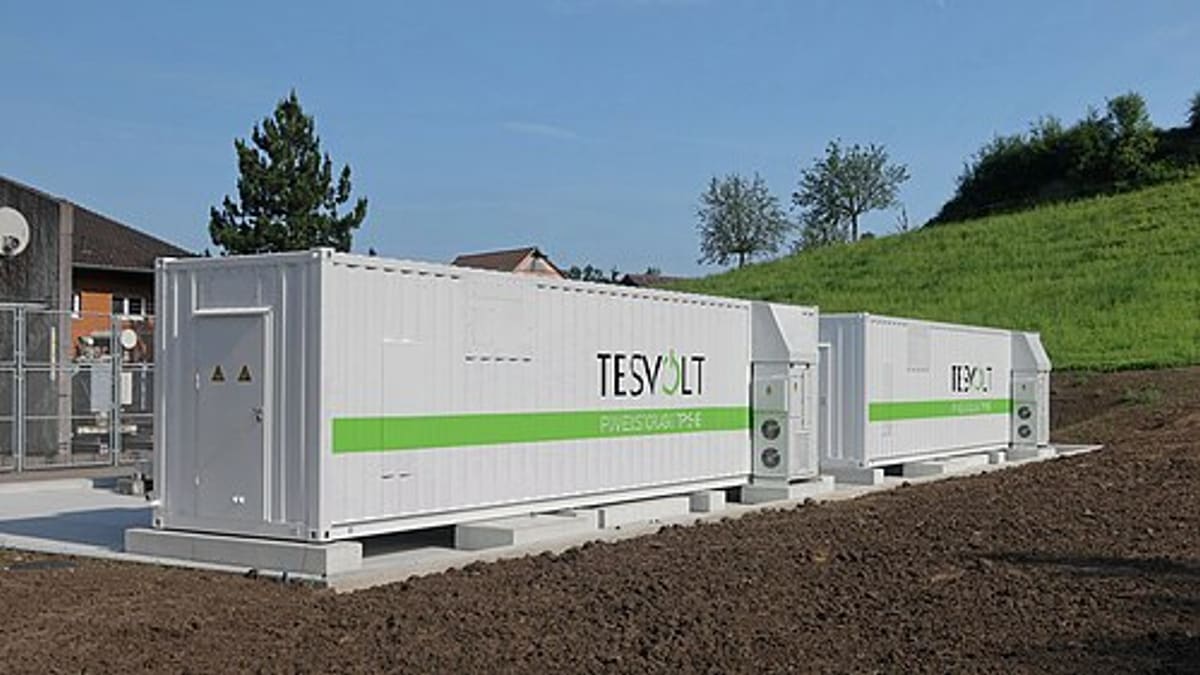
Larger systems have fire detection, suppression, ventilation and protection devices that must be inspected. Scheduling and recording these inspections supports safe operation and documentation for owners and insurers.
Warranty records
Battery warranties often specify throughput, capacity retention and operating conditions. Health check records, alarm history and installation details are the evidence needed to support claims. Tracking claims to resolution protects customers and installers.
Performance reporting
Customers want to know their batteries are performing — backup availability, self-consumption and health. Periodic reports from service data, and monitoring data where available, keep customers informed and support renewals of O&M contracts.
A practical rollout
Start with commissioning records and the system register, add periodic health checks and alarm tickets, then firmware tracking, safety inspections and reporting.
Common problems this software solves
- Missing commissioning baselines for warranty claims.
- Alarms not followed up consistently.
- Firmware versions unknown across the fleet.
- Safety equipment inspections missed.
- Customers unsure how their system is performing.
KPIs to track
- Alarm response time.
- Health checks completed on schedule.
- Systems on latest approved firmware.
- Warranty claims and outcomes.
- O&M contract renewal rate.
Corposol builds battery energy storage service software. Talk to us.
Residential batteries: high volume, simple service
Home battery installations are growing alongside rooftop solar. Each system is small, but a busy installer may support thousands of them. The service model has to be efficient: remote checks wherever the monitoring platform allows, clear self-service information for homeowners, automated reminders for periodic checks and simple booking when a visit is needed. Technicians benefit from seeing the system's commissioning data, firmware and alarm history before arriving, so most issues are resolved in a single visit. Homeowners who receive clear explanations and quick fixes are far more likely to recommend the installer to neighbours — a major source of new business in residential solar and storage.
Commercial and industrial systems
Businesses use batteries for backup, peak shaving and solar self-consumption. Their systems are larger, often integrated with building energy management, and failures have direct financial impact. Service contracts typically include periodic inspections, defined response times and performance reporting. Recording performance against the customer's goals — for example, peak demand reduction or backup readiness — shows the value of the system and of the service provider.
End-of-life and replacement planning
Batteries lose capacity over time. Health check trends show when a system is approaching the end of its useful life or warranty threshold. Planning replacements or augmentation in advance — with data the customer can see — avoids sudden capacity shortfalls and creates a planned sales opportunity rather than an emergency.
Frequently asked questions
Can battery health data be recorded at each visit?
Yes. State of health, cell voltage spreads, temperatures and capacity test results can be recorded per system, building a history for warranty and performance discussions.
Can alarms from monitoring platforms create tickets?
Where the battery management or monitoring platform provides an interface or alerts, alarms can create tickets. Feasibility depends on the vendor and is confirmed during scoping.
Can firmware versions be tracked?
Yes. Inverter, battery management system and controller firmware versions are recorded per system, with update history.
Can we manage residential and commercial systems together?
Yes. Home batteries, commercial systems and larger installations can be managed with different checklists and SLAs.
Can warranty claims be supported with data?
Yes. Health checks, alarm history, operating records and photos support warranty claims with manufacturers.
Can safety inspections be scheduled?
Yes. Inspections of enclosures, ventilation, fire detection and suppression, and electrical protection are scheduled and recorded.
Can remote checks reduce site visits for home batteries?
Yes. Where the monitoring platform allows, health and alarm data can be reviewed remotely before deciding whether a visit is needed, and the outcome of each remote check is recorded against the system so the history stays complete.
Can capacity fade be tracked against warranty thresholds?
Yes. State-of-health readings over time are compared with warranty terms, so systems approaching thresholds are flagged early for customer discussions, warranty claims or planned augmentation.
Can commercial customers receive performance reports?
Yes. Backup readiness, alarms, maintenance performed and health trends can be compiled into periodic reports aligned with each customer's goals for the system.
Can enclosure ventilation and fire systems be checked on visits?
Yes. Ventilation, fire detection and suppression checks are part of scheduled inspections for larger systems, with findings recorded and corrective actions tracked.