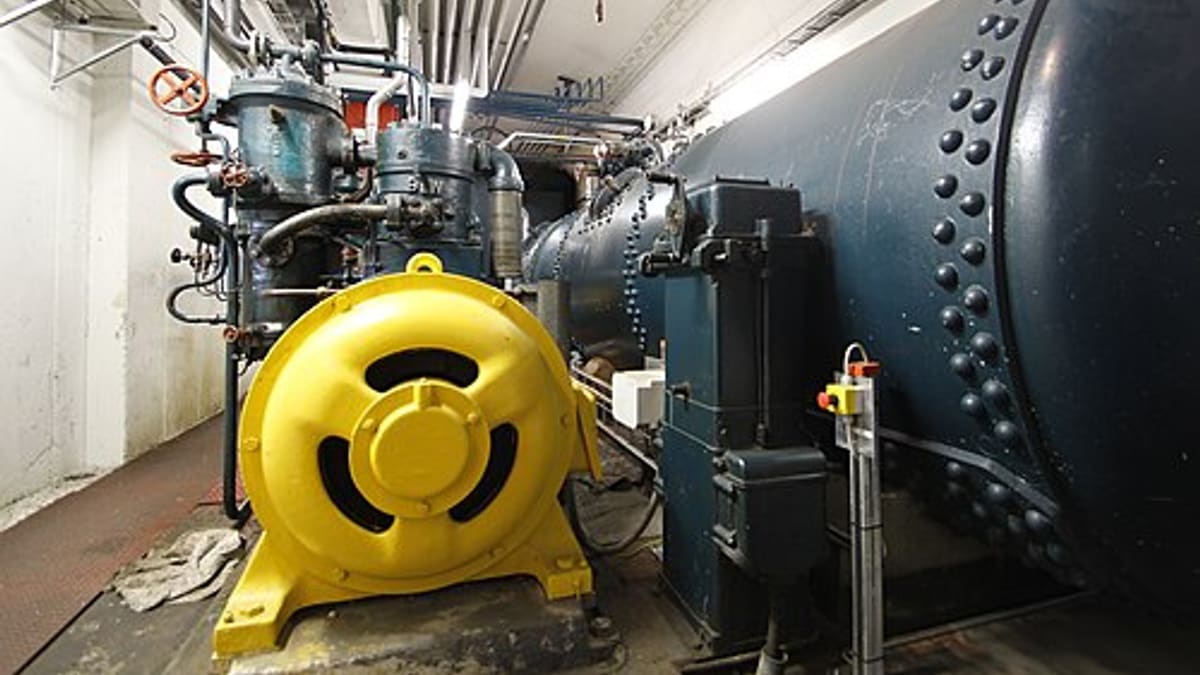
Compressed air is often called the fourth utility in factories, and compressors are among the largest energy consumers in many plants. Compressor dealers and service companies maintain screw, piston and centrifugal compressors, dryers, filters and receivers for customers across industries. Service is driven by running hours and model-specific service kits, and customers increasingly expect help with energy efficiency. Managing this without software means missed services, last-minute kit shortages and lost opportunities to sell audits and upgrades.
The installed base
Each compressor is recorded with customer, location, make, model, type, capacity, pressure, motor rating, serial number, installation date and warranty, along with associated dryers, filters, receivers and drains. Knowing the full compressed air system helps technicians diagnose problems that originate outside the compressor itself.
Running-hour based servicing
Compressor services — oil, oil filter, air filter, separator, belts, bearings, valve overhauls — are due at running-hour intervals defined by the manufacturer. Recording total and loaded hours at every visit (or importing them from controllers where they provide data) lets the software forecast when each service is due. Service kits by model are then planned in advance.
Service kit planning
A frequent cause of delays is the wrong or missing service kit. By forecasting services due across all customers, the software shows which kits are needed in the coming weeks, letting stores order in time and technicians pick the right kits before leaving.
Preventive maintenance checklists
Checklists cover oil level and condition, temperatures and pressures, filter differential pressures, belt tension, cooler cleanliness, drain operation, dryer dew point, motor current, controller alarms and leaks around the machine. Readings over time reveal developing problems such as rising discharge temperature or falling efficiency.
Oil analysis and condition monitoring
For larger compressors, periodic oil analysis and vibration readings give early warning of wear. Recording sample dates and lab results against the compressor supports condition-based maintenance decisions and helps justify overhauls before failure.
Leak and energy audits
Leaks often waste a significant share of compressed air. Leak audits identify and tag leaks with location and estimated size; repairs are tracked to closure. Energy audits measure load profiles and pressure, supporting recommendations such as pressure reduction, variable speed drives or heat recovery. Recording these audits and their outcomes positions the service company as an efficiency partner — and creates sales opportunities.
Breakdowns
When a compressor trips, production may stop. Priority rules, fast dispatch, rental or standby units where available, and recorded root causes keep downtime short and prevent repeats.
Spare parts and stock
Service kits, separators, filters, oils, belts, valves and sensors are tracked in stock and in vans. Consumption by model informs purchasing.
AMCs and renewals
AMCs cover scheduled services and sometimes parts. The software schedules services, applies coverage rules and reminds before renewal, with service history to demonstrate value. See AMC management.
A practical rollout
Import the installed base with last service hours, set service intervals by model, and launch the technician app to record hours and checklists. Kit forecasting and leak audit modules follow, then customer portals and energy reporting.
Common problems this software solves
- Services missed because hours aren't tracked.
- Technicians arriving with the wrong service kit.
- Leak audit findings never repaired.
- No data to support energy-saving proposals.
- Lost AMC renewals.
KPIs to track
- Services completed within the hour window.
- Kit availability for scheduled services.
- Breakdown frequency per compressor.
- Leaks found and repaired.
- AMC renewal rate.
Corposol builds compressor service software. Talk to us.
Selling efficiency, not just service
Compressed air is expensive to produce, and many systems run at higher pressure than needed, with leaks, poor controls and oversized or ageing compressors. Service companies that measure and report these issues — pressure profiles, load and unload hours, leak counts, dew point and specific power where measured — can propose improvements with clear payback: leak repair programmes, pressure optimisation, variable speed drives, heat recovery or system redesign. Recording audits and the results of improvements in the same system as routine service gives customers a complete picture of their compressed air costs and makes the service company a trusted advisor.
Managing multi-compressor plants
Large plants often run several compressors with a sequencer or master controller. Service records for each compressor, combined with system-level readings, help identify machines that run inefficiently, compressors that rarely load and opportunities to rebalance. When one unit is under service, the system view shows whether remaining capacity is sufficient — useful for scheduling maintenance without disrupting production.
Standby and rental compressors
When a critical compressor fails, a rental or standby unit can keep production running. Tracking rental units — location, hours, service status — and linking them to breakdown jobs helps service companies offer this valuable service reliably and bill it correctly.
Frequently asked questions
Can services be scheduled by running hours?
Yes. Running and loaded hours recorded at each visit — or captured from controllers where available — trigger services at the intervals for each model's service kits.
Can we plan service kits in advance?
Yes. Upcoming services by model show which kits are needed in coming weeks, so stock is ready before technicians go out.
Can leak audits be recorded?
Yes. Leaks found during audits can be tagged with location, size estimate and photos, with repair status tracked to closure.
Can technicians record oil analysis results?
Yes. Oil sample dates and lab results can be attached to the compressor's history, supporting condition-based decisions.
Does it support dryers, filters and receivers too?
Yes. All compressed air system components can be registered and maintained, each with their own schedules.
Can customers see compressor history?
Yes, through service reports after every visit and a customer portal showing hours, services and open issues.