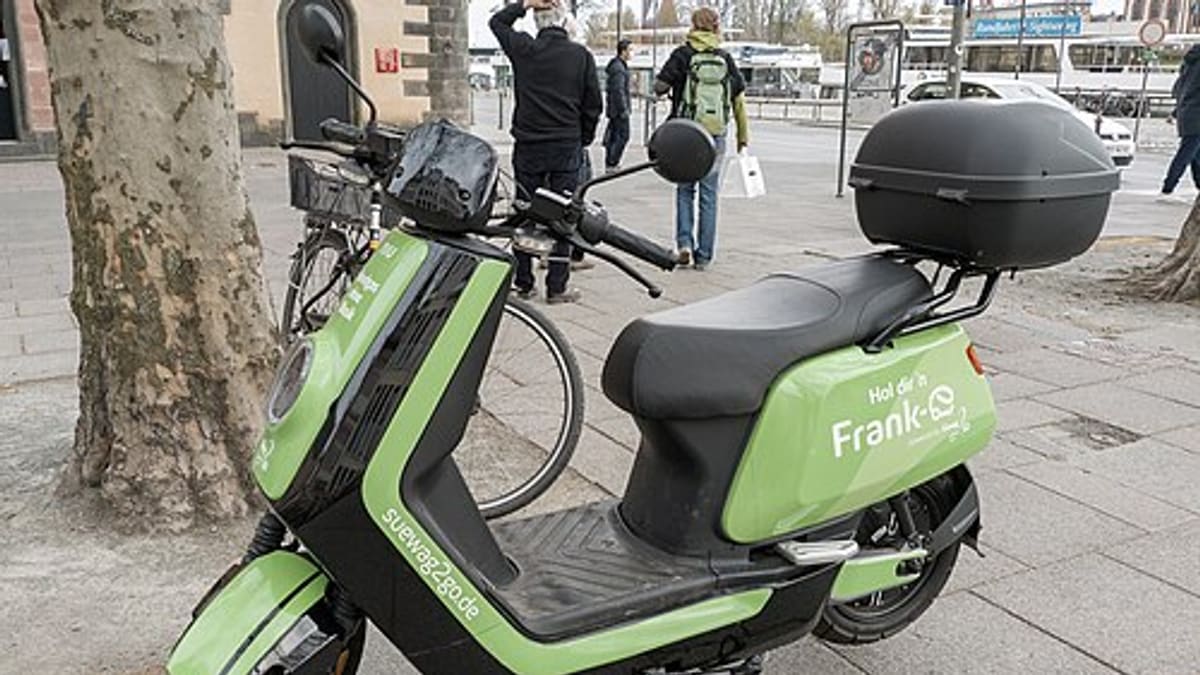
Electric vehicles — scooters, motorcycles, three-wheelers, cars and light commercial vehicles — need different service from petrol and diesel vehicles. There are no oil changes, but batteries, motors, controllers, chargers and software become central. EV workshops, brand service centres and fleet maintenance teams must diagnose battery and electrical issues, apply software updates, handle warranty claims and support high-utilisation fleets with fast turnaround.
Bookings and vehicle records
Each vehicle is recorded with model, VIN or chassis number, battery serial, motor and controller details, software versions, warranty and owner or fleet. Service bookings come from owners, fleets and brand apps.
Battery diagnostics
Batteries are the most expensive EV component. Diagnostics — state of health, cell voltage spread, temperature behaviour, charging performance — recorded per battery serial build a history. Trends support warranty decisions and help owners understand range loss.
Motor, controller and electrical faults
Faults in motors, controllers, wiring, connectors and chargers are diagnosed with tools and recorded with fault codes. Recording faults by model reveals common issues that brands and workshops can address.
Software updates
EV performance and fixes often come through software. Recording versions before and after updates, and update dates, ensures vehicles are current and helps diagnose issues linked to particular versions.
Warranty jobs
Warranty claims for batteries, motors and controllers require diagnostic evidence. Attaching diagnostic reports, photos and parts data to jobs speeds claims with manufacturers.
Safety
High-voltage systems require trained technicians and safety procedures. Recording safety checks and technician qualifications for high-voltage work supports safe practice.
Roadside assistance
EVs that run out of charge or develop faults need roadside support — mobile charging, on-site fixes or towing. Dispatching technicians with location details and recording outcomes keeps fleets moving.
Fleet customers
Delivery, ride-hailing and logistics fleets run vehicles hard and need fast turnaround. Fleet portals with vehicle status, service history and costs help fleet managers plan and help workshops prioritise.
A practical rollout
Start with vehicle records, bookings and job cards with diagnostics, then software version tracking, warranty jobs, roadside assistance and fleet portals.
Common problems this software solves
- Battery history unknown when warranty questions arise.
- Software versions untracked.
- Warranty claims lacking evidence.
- Slow turnaround for fleet vehicles.
- Technicians without high-voltage records.
KPIs to track
- Turnaround time per job.
- Repeat faults by model.
- Warranty claim acceptance.
- Roadside response time.
- Fleet vehicle uptime.
Corposol builds EV service workshop software. Talk to us.
Battery swapping and battery-as-a-service
Some electric two- and three-wheeler models use swappable batteries or battery-as-a-service models, where batteries circulate between vehicles and charging stations. Tracking each battery's serial number, cycles, health readings, faults and current location becomes central to operations. Service teams diagnose and repair batteries separately from vehicles, and data across the battery pool shows which batteries should be retired or refurbished.
Training technicians for EVs
Many technicians are trained on internal combustion vehicles and are new to EV systems. Recording training, certifications for high-voltage work and the job types each technician is authorised to perform ensures safe work and helps workshops plan training as EV volumes grow.
Parts with long lead times
EV-specific parts such as controllers, motors, chargers and battery modules may have long lead times. Tracking parts orders against jobs, keeping critical spares based on the local vehicle population and informing customers of expected delays keeps satisfaction high even when parts are slow to arrive.
Data for manufacturers
Structured fault and repair data from workshops is valuable feedback for EV manufacturers and fleet operators: which components fail, under what conditions and after how many kilometres. Sharing this data, where agreements allow, helps improve products and service programmes.
Getting started
Start with vehicle and battery records and digital job cards that capture diagnostics, so every job builds history from day one. Add software version tracking and warranty submissions next, then roadside dispatch and fleet portals as fleet customers grow. EV workshops that capture structured data early are far better placed to handle warranty discussions and fleet contracts later, when volumes increase and customers expect evidence rather than explanations.
Frequently asked questions
Can battery health data be recorded per vehicle?
Yes. Battery state of health, cell data from diagnostic tools and test results are recorded per vehicle and battery serial number.
Can software updates be tracked?
Yes. Firmware and software versions for controllers, battery management systems and displays are recorded with update dates.
Can warranty jobs be submitted with diagnostic data?
Yes. Diagnostic reports, photos and parts replaced are attached to warranty jobs for manufacturers.
Can roadside assistance be dispatched?
Yes. Breakdown calls are dispatched to mobile technicians, with towing arranged where needed.
Can fleet operators see their vehicles' service status?
Yes. Delivery, taxi and logistics fleets can view vehicles, open jobs and service history.
Can high-voltage safety checks be recorded?
Yes. Safety procedures for working on high-voltage systems can be part of job checklists, recorded before work begins.
Can swappable batteries be tracked individually?
Yes. Each battery's serial number, cycles, health readings, faults and location are tracked across vehicles and charging stations.
Can technician high-voltage authorisations be recorded?
Yes. Training and authorisations are recorded, and only authorised technicians can be assigned to high-voltage jobs.
Can long-lead EV parts be tracked against jobs?
Yes. Parts orders are linked to jobs with expected dates, and customers are informed of delays automatically.
Can fault data be shared with manufacturers?
Yes. Structured fault and repair data can be exported or shared where agreements allow, helping manufacturers improve products and warranty programmes.
Can fleet vehicles be prioritised?
Yes. Fleet vehicles can carry higher priority and faster turnaround targets, since every day off the road costs the fleet operator revenue.
Can customers book EV service online?
Yes. Owners and fleets book through a link or app, choose a slot and describe the issue, and the job card is ready when the vehicle arrives.