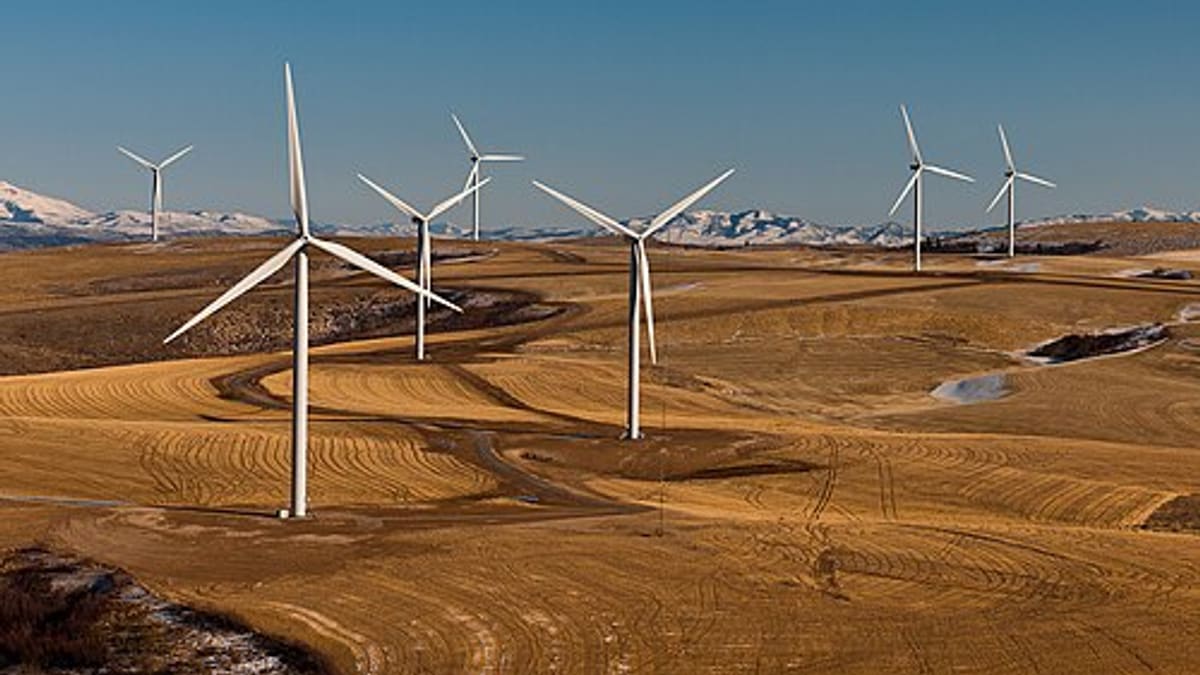
Wind turbines operate in harsh, remote environments, and every hour of downtime is lost generation. Wind farm owners and O&M contractors maintain turbines through scheduled services, inspections, fault response and major component exchanges — often with limited crews covering many turbines across large sites. Work at height adds safety requirements. Good maintenance records drive availability, warranty claims and long-term asset decisions.
Turbine and component register
Each farm records its turbines with model, rating, commissioning date and location. Major components — blades, hub, gearbox, generator, main bearing, converter, transformer, yaw and pitch systems — are recorded with serial numbers. Tracking components through exchanges and repairs builds a complete life history.
Scheduled services
Manufacturer service schedules define periodic tasks: lubrication, bolt torque checks, filter changes, brake checks, safety system tests and inspections. The software generates service orders per turbine, plans crews and materials, and records completion with checklists and readings.
Fault management
Turbines report faults through SCADA. Where interfaces exist, faults can create tickets; otherwise control room staff raise them. Tickets record fault codes, resets, diagnosis, parts and downtime. Fault history by turbine and code reveals recurring problems.
Inspections
Blade, tower and foundation inspections — by rope access, drones or ground cameras — generate findings with photos and severity. Recording findings per blade and zone and tracking repairs keeps defects from growing into failures.
Major component exchanges
Gearbox, generator or blade exchanges are major projects involving cranes, logistics and specialist teams. Planning, recording and tracking these exchanges — including component serial numbers in and out — supports warranty claims and life-cycle analysis.
Spares and stores
Farm stores hold consumables and critical spares. Tracking stock, issues per turbine and reorder levels ensures crews have what they need, especially at remote sites.
Safety
Climbing turbines requires strict safety procedures: permits, climb logs, rescue equipment checks, weather limits and lone-working rules. Recording these before work begins supports safe operations and provides documentation.
Availability and reporting
Downtime by cause — faults, scheduled service, grid, weather — supports availability calculations per turbine and contract. Owners and investors receive reports on availability, faults and maintenance performed.
A practical rollout
Begin with turbine and component registers and scheduled service orders, add fault tickets and safety records, then inspections, component exchanges and availability reporting.
Common problems this software solves
- Component histories lost through exchanges.
- Recurring faults not analysed.
- Inspection findings untracked.
- Safety records incomplete.
- Availability reports compiled manually.
KPIs to track
- Turbine availability.
- Mean time to repair faults.
- Scheduled services completed on time.
- Open blade findings by severity.
- Safety incidents and near misses.
Corposol builds wind energy maintenance software. Talk to us.
Warranty and service agreement management
Many turbines are maintained under manufacturer warranties or long-term service agreements with availability guarantees. Owners need independent records of faults, downtime, maintenance performed and component exchanges to verify availability figures and support claims. Contractors need the same records to demonstrate performance. A shared, accurate maintenance history reduces disputes and supports better decisions about extending agreements or moving to independent service.
Weather windows and planning
Wind limits restrict when technicians can climb turbines and when cranes can lift components. Planning work around forecast weather windows — and recording weather-related delays — helps crews use good days efficiently and explains schedule changes to owners. Crew and vessel planning for offshore farms adds further complexity that structured planning tools help manage.
Learning across the fleet
Fault and component data across many turbines of the same model reveals patterns: a converter fault that recurs after certain conditions, a bearing type that fails early, a blade erosion pattern at particular sites. Sharing these insights across farms helps target inspections and preventive actions where they will have the most impact on availability.
Frequently asked questions
Can component serial numbers be tracked through exchanges?
Yes. Gearboxes, generators, blades, converters and other major components are tracked by serial number as they move between turbines, repair shops and stores.
Can SCADA faults create tickets?
Where the turbine SCADA or monitoring platform offers an interface or alerts, faults can create tickets. Feasibility depends on the platform and is confirmed during scoping.
Can climb and safety records be captured?
Yes. Climb logs, safety checks, permits and rescue equipment checks are recorded before work in the turbine.
Can blade inspection photos be organised by blade and zone?
Yes. Inspection findings and photos are recorded per blade and zone, with severity and repair status.
Can availability be reported per turbine?
Yes. Downtime by cause is recorded, supporting availability reports per turbine, farm and contract.
Can multiple farms be managed in one system?
Yes. Each farm is a site with its turbines, crews, stores and reports.
Can owners verify availability figures independently?
Yes. Fault, downtime and maintenance records kept by the owner or independent contractor provide evidence to check availability figures reported under service agreements.
Can weather-related delays be recorded?
Yes. Work postponed because of wind limits or weather is recorded with reasons, explaining schedule changes to owners and helping crews plan around forecast windows.
Can fault patterns be compared across farms?
Yes. Fault codes and component failures for the same turbine model are analysed across farms, revealing recurring problems and guiding targeted inspections.
Can climb logs and rescue kit checks be enforced before work?
Yes. The app can require the climb log, permit and rescue equipment check to be completed before a work order in the nacelle can be started.
Can component repair shop returns be tracked?
Yes. Components sent to repair shops are tracked by serial number until they return to stores, ready for the next exchange.
Can stores at remote farms be managed?
Yes. Stock at each farm's store is tracked with issues per turbine and reorder levels, so crews at remote sites have consumables and critical spares when they need them.