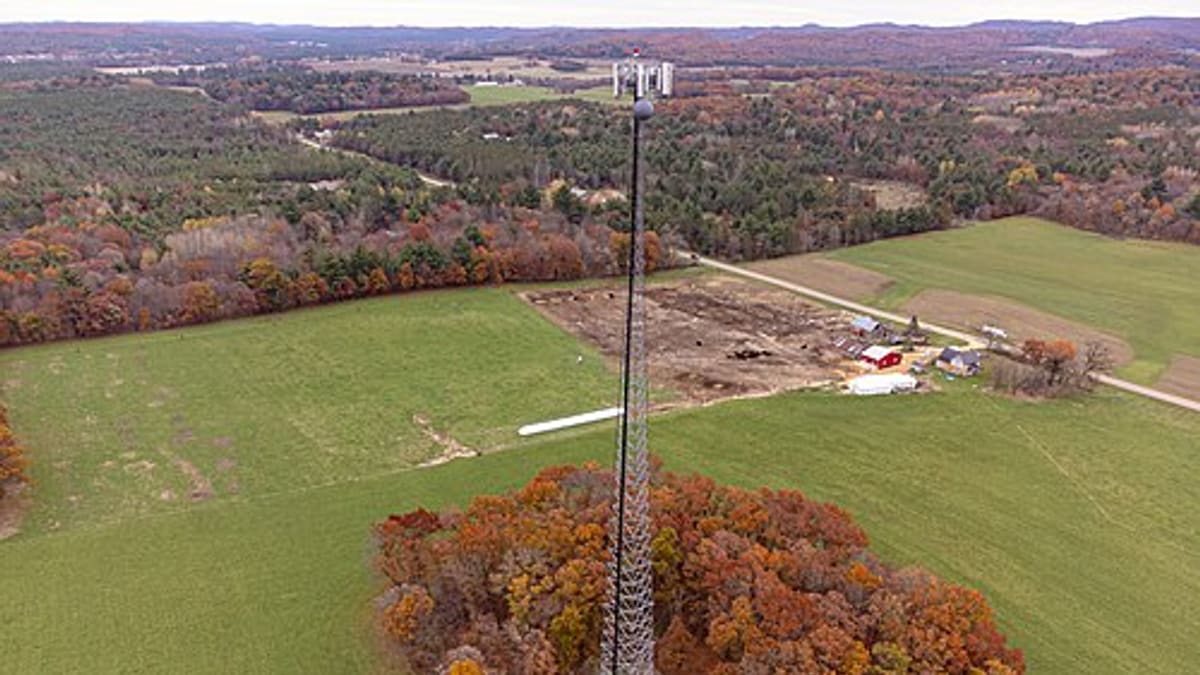
Telecom infrastructure companies and their maintenance partners look after thousands of sites — towers, shelters, rooftop sites, small cells and fibre nodes — often spread across remote areas. Each site has power systems (grid connection, DG sets, batteries, solar, rectifiers), cooling, security and telecom equipment that must stay online around the clock. Uptime SLAs are strict, sites are far apart and field teams are often subcontracted. Managing this on spreadsheets is a recipe for missed visits, fuel losses and SLA penalties.
What telecom site O&M involves
Typical responsibilities include preventive maintenance of DG sets, batteries, rectifiers and air conditioners; fuel management and DG run-hour tracking; outage response when sites go down; security and housekeeping visits; earthing and lightning protection checks; and periodic audits. Each activity generates data customers want to see.
Site and asset register
Every site is recorded with ID, location (GPS), access details, customer and tenants, and assets: DG make and model, battery banks with installation dates, rectifier modules, air conditioners, solar systems, fuel tanks and security equipment. Accurate registers let engineers prepare for visits and let managers plan replacements.
Preventive maintenance at scale
PM schedules — monthly, quarterly and annual — are generated per site and asset type. Engineers receive routes covering nearby sites, with checklists for each asset: DG oil and filters, battery voltages, rectifier alarms, AC filter cleaning and gas pressure, earthing resistance, site cleanliness and security. Photos at key points prove the work was done.
Proof of visit
With remote sites, proving visits actually happened matters. GPS check-in and check-out, time-stamped photos and mandatory readings give customers and supervisors confidence. Visits completed without these markers can be flagged for review.
Fuel management
Fuel is one of the largest costs and a frequent source of loss. Recording deliveries, tank levels before and after, and DG run hours lets the software calculate expected consumption and flag anomalies. Where DG controllers or fuel sensors offer remote data, readings can be imported automatically; hardware and platform costs are borne by the client.
Outage and fault management
When a site goes down, the clock starts. Outage tickets created from NOC alerts or emails are prioritised by site category and SLA. The nearest available engineer is dispatched, travel and restoration times are recorded, and root causes — grid failure, DG failure, battery exhaustion, theft — are captured for analysis.
Battery management
Battery banks are critical for bridging power gaps. Voltage readings per bank across visits, installation dates and backup time tests help predict replacements. Battery theft, common at some sites, can be logged and tracked.
Subcontractor management
Many tower companies rely on regional subcontractors. Giving them restricted app access to their assigned sites ensures consistent checklists and evidence. Performance by subcontractor — PM compliance, outage response, fuel accuracy — informs contract decisions.
Spares and logistics
Spares for DG sets, rectifiers and air conditioners are stored in regional warehouses and with field teams. Tracking issues against sites and faults supports billing and reveals frequent failure parts.
Reporting and SLAs
Customers expect monthly reports: site uptime, outages and restoration times, PM compliance, fuel consumption and incidents. Automated reports by customer and region reduce effort and disputes. Internal dashboards show regions or subcontractors needing attention.
Safety
Tower work involves heights, electricity and remote travel. Pre-work safety checklists, permit records for climbing and electrical work, and check-in alerts for engineers working alone support safe practices.
Common problems this software solves
- PM visits claimed but not performed.
- Unexplained fuel consumption.
- Slow outage response and SLA penalties.
- Inconsistent subcontractor quality.
- Manual monthly reports compiled from many sources.
KPIs to track
- Site uptime by customer and region.
- Outage response and restoration time.
- PM compliance with photo proof.
- Fuel consumption per DG run hour.
- Battery replacements and theft incidents.
Where to start
Begin with the site and asset register, PM scheduling and the field app with GPS and photo proof. Add outage management and fuel tracking next, then subcontractor portals and automated customer reports. Corposol builds telecom tower maintenance software. Talk to us.
Tenancy and multi-operator sites
Shared towers host equipment from several operators, each with its own power load, SLA and billing. Recording tenants and their equipment per site helps engineers understand load, prioritise restoration and support accurate energy and fuel recovery from tenants, which is a significant commercial issue for tower companies.
Frequently asked questions
Can engineers record site visits with photos and GPS?
Yes. Each visit records GPS check-in and check-out, time-stamped photos of key equipment and readings, giving reliable proof of the visit for customers and supervisors.
Can fuel deliveries and consumption be tracked per site?
Yes. Fuel deliveries, tank levels and DG run hours are recorded per site, and consumption trends highlight anomalies that may indicate leaks, faults or theft.
Can outage tickets come from the customer's NOC?
Yes. Tickets can be created from NOC emails or, where the customer's systems provide an interface, integrated feeds, with SLA timers starting automatically.
Does the app work in remote areas with poor network?
Yes. Offline mode lets engineers complete checklists and capture photos at remote sites, syncing when coverage returns.
Can we manage subcontracted field teams?
Yes. Subcontractors get restricted access to their own sites and jobs, while you see their performance against the same KPIs as in-house teams.
Can monthly SLA reports be generated for each customer?
Yes. Uptime, outage response and restoration times, PM compliance and fuel data are compiled automatically per customer and region.
Can we track tenant equipment on shared towers?
Yes. Each site can list tenants and their equipment, supporting load understanding, restoration priorities and energy or fuel recovery from tenants.
Can engineers raise safety permits from the app?
Yes. Permits for climbing or electrical work can be requested, approved and recorded against the site visit.