
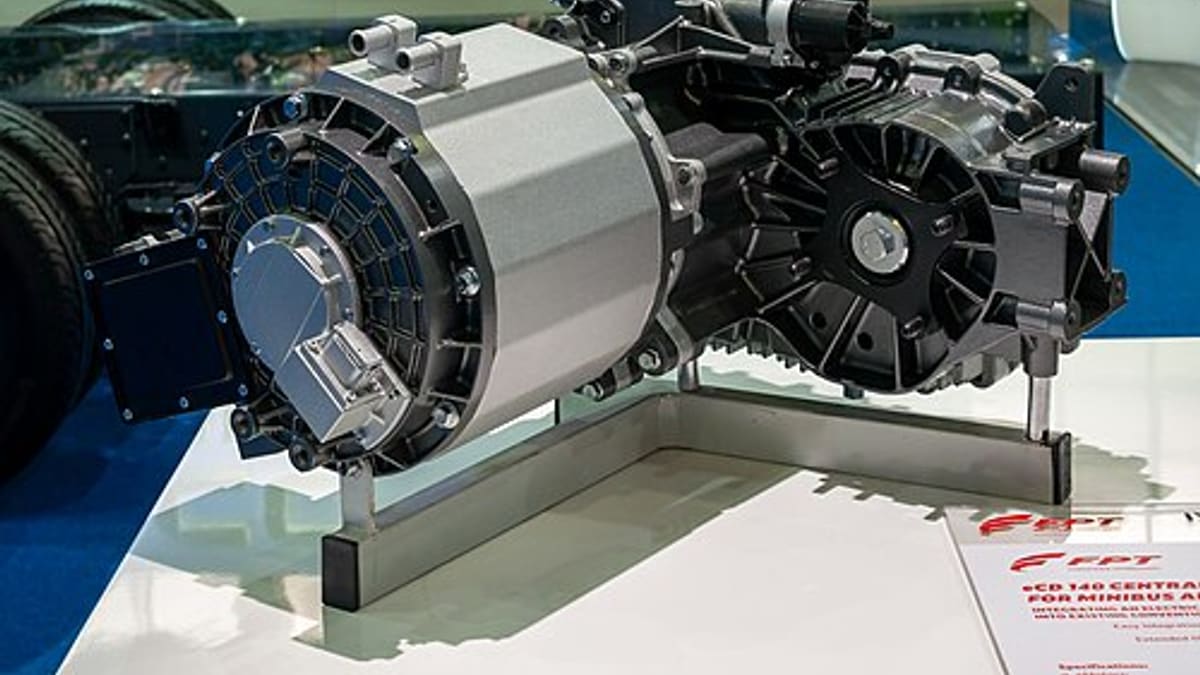
Pump and motor repair workshops keep industry running. When a critical motor burns out or a pump fails, the customer needs it repaired — and back — as fast as possible, along with evidence that the repair was done properly. Rewinding workshops and pump service companies juggle dozens of jobs at different stages, each with its own inspection findings, estimate, approval, parts and test results. Paper job cards and memory make it hard to answer the customer's first question: "when will it be ready?"
The workshop repair flow
- Receipt — motor or pump received, tagged and photographed.
- Inspection — initial tests, dismantling, damage assessment.
- Estimate and approval — scope and cost shared with the customer.
- Repair — rewinding, bearing replacement, shaft repair, impeller work, seals.
- Assembly and testing — electrical and mechanical tests.
- Painting and dispatch — with test report.
Job tagging and tracking
Every motor or pump received gets a job tag with a barcode or QR code, recording customer, nameplate details, photos and the reported problem. Scanning the tag at each stage shows where every job is. When customers ask for status, the office answers immediately — or customers check themselves through a portal.
Inspection and estimates
Inspection findings — burnt windings, damaged bearings, worn shafts, cracked housings, impeller wear — are recorded with photos and measurements. The estimate is built from standard rates and parts and shared with the customer for approval. Photos help customers understand why a repair is needed and speed up approvals.
Rewinding data
Rewinding requires accurate data: number of slots, turns per coil, wire gauge, coil pitch, connections and insulation class. Recording this data per motor — and keeping it for future repairs — means the next rewind is faster and consistent with the original design. Over time, the workshop builds a valuable library of winding data for common motor models.
Testing and test reports
Before dispatch, motors are tested: insulation resistance, winding resistance balance, surge or high-voltage tests where applicable, no-load current, vibration and temperature. Pumps may be tested for pressure and flow. Recording results against acceptance limits and generating test reports automatically gives customers confidence and protects the workshop in warranty discussions.
Site service
Many repair companies also do site work: removing and reinstalling motors, alignment, vibration checks, bearing replacements, pump servicing and installation. These jobs are scheduled and recorded alongside workshop jobs, giving a complete history per asset.
Spare and standby motors
Critical motors often have standby units held by the customer or the workshop. Tracking standby units — condition, location, last test — ensures a replacement is ready when a running motor fails, cutting downtime from days to hours.
Parts and materials
Copper wire, insulation materials, varnish, bearings, seals and impellers are tracked in stock and issued against jobs. Material consumption per job supports accurate costing and pricing.
Maintenance contracts
Industrial customers with many motors and pumps may contract for periodic condition checks — insulation resistance, vibration, bearing condition — and priority repairs. The software schedules checks, records readings and flags motors trending toward failure. See factory asset management.
A practical rollout
Start with job tagging, stage tracking and estimates with approval, then add winding data, test reports and site service. Customer portals and maintenance contracts follow.
Common problems this software solves
- Customers calling repeatedly for job status.
- Estimates approved verbally and disputed later.
- Winding data lost between repairs.
- Test reports typed by hand or missing.
- Standby motors not ready when needed.
KPIs to track
- Turnaround time from receipt to dispatch.
- Estimate approval time.
- Repeat failures within warranty.
- Jobs completed per week.
- Material cost per job type.
Corposol builds pump and motor service software. Talk to us.
Failure analysis and customer advice
Motors and pumps fail for reasons: overloading, single phasing, poor alignment, bearing lubrication problems, contaminated environments, cavitation or wrong pump selection. Recording the root cause of each failure — and sharing it with the customer along with recommendations — helps prevent repeat failures and positions the workshop as a reliability partner. Patterns across a customer's motors often point to a site-wide issue such as poor power quality or inadequate maintenance practices.
Frequently asked questions
Can winding data be stored for each motor?
Yes. Turns, wire gauge, coil pitch, connection and core test results are stored per motor, so future rewinds are faster and consistent with the original design.
Can test reports be generated automatically?
Yes. Insulation resistance, winding resistance, no-load current and vibration readings populate a test report in your format, ready to send with the repaired motor or pump.
Can customers approve repair estimates online?
Yes. After inspection, the estimate with photos of the damage is shared by link, and the customer's approval is recorded before work starts.
Can we track jobs through each workshop stage?
Yes. Jobs move through receipt, inspection, estimate, approval, dismantling, rewinding or repair, assembly, testing, painting and dispatch, and status is visible to the office and the customer.
Can site service visits be managed too?
Yes. On-site alignment, vibration checks, bearing changes and installation jobs are scheduled and recorded alongside workshop jobs.
Can we keep spare motors for customers?
Yes. Spare or standby motors held for customers are tracked with location, condition and history, so a replacement can be dispatched immediately when a running motor fails.
Can root causes of failures be shared with customers?
Yes. Each repair records the probable cause of failure along with recommendations, which are included in the test report so the customer can prevent repeat failures.
Can we see failure patterns across a customer's site?
Yes. Repairs for the same customer are analysed together, revealing site-wide issues such as power quality problems, poor alignment practices or harsh operating environments.


