
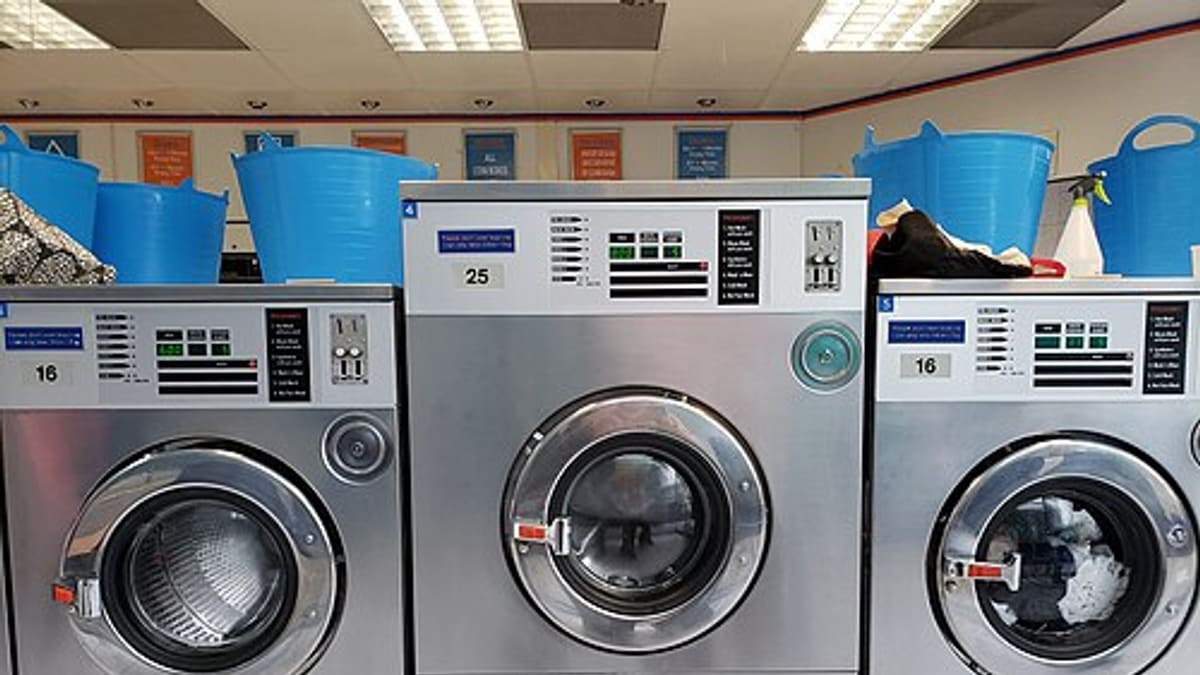
Home appliance repair is a high-volume, fast-moving business. Customers call about air conditioners that don't cool, washing machines that don't spin, refrigerators that stop cooling, microwaves, water heaters and kitchen chimneys. Each call is a small job, but together they add up to dozens or hundreds per day, across a city or region. Authorised service centres also handle warranty work for brands, with strict reporting requirements. Without good software, coordinators drown in phone calls and spreadsheets, technicians criss-cross the city, parts go missing and warranty claims are rejected.
The repair service workflow
- Booking — by phone, WhatsApp, website, brand call centre or marketplace.
- Scheduling — assigned by area, appliance skill and availability.
- Visit and diagnosis — technician identifies the fault.
- Quote and approval — for out-of-warranty repairs.
- Repair or part order — immediate repair, or follow-up visit when the part arrives.
- Payment and closure — payment collected, job closed with signature.
- Warranty claim — for brand warranty jobs.
- Feedback and follow-up.
Booking from many channels
Calls come from customers directly, from brand call centres, from marketplaces and from WhatsApp. Each channel should create a job in the same queue with customer address, appliance type, brand, model, complaint and warranty status. Duplicates — the same customer calling twice — can be detected and merged.
Area-based scheduling
Travel time is the biggest productivity drain in home repair. Dividing the city into zones, assigning technicians to home zones and scheduling jobs in geographic clusters can significantly increase visits per technician per day. Skills matter too: AC specialists, washing machine specialists and multi-appliance technicians should get the right jobs.
Diagnosis and quotes
On site, the technician records the fault, photos and the parts needed. For paid repairs, a quote with parts and labour is shared with the customer for approval on the spot. Recording approval protects both sides and reduces disputes about charges.
Parts and follow-up visits
When a part isn't in the van, the job is put on hold for the part. The software tracks part orders, alerts the coordinator when the part arrives and schedules the follow-up visit. Customers are kept informed. Many complaints in appliance repair come from silent waits for parts; visibility fixes that.
Van stock
Technicians carry common parts — capacitors, PCBs, sensors, belts, drain pumps, gas cylinders for AC top-ups. Van stock is tracked per technician, deducted on use and replenished from the warehouse. This reduces return visits and parts leakage.
Warranty jobs for brands
Authorised service centres must record serial numbers, purchase dates, fault codes, photos and parts replaced, and often return defective parts to the brand. Recording all of this on the job makes warranty claims faster and more likely to be accepted. Tracking claims to settlement prevents revenue from slipping through the cracks.
Payments
Technicians collect payment by payment link or record cash, with a receipt sent automatically. Daily cash reconciliation by technician becomes simple.
Customer communication
Customers receive booking confirmation, technician details, arrival updates and a digital job report. These small touches reduce "where is the technician?" calls dramatically and lift ratings.
Quality and repeat visits
Repeat complaints within a short period indicate incomplete repairs or wrong diagnosis. Linking repeat visits to the original job shows repeat rates by technician and appliance, guiding training and quality checks.
AMCs for appliances
Annual maintenance contracts for ACs and water purifiers are common in home services. The software schedules AMC visits and reminds customers before renewal. See AMC management.
A practical rollout
Start with booking from all channels into one queue, zone-based scheduling and the technician app with quotes and payments. Then add van stock, warranty claims and AMCs, followed by customer reviews and repeat-visit analysis. Most service centres see fewer phone calls and more jobs per technician within the first month.
Common problems this software solves
- Coordinators overwhelmed by calls and spreadsheets.
- Technicians travelling too far between jobs.
- Customers waiting for parts without updates.
- Warranty claims rejected for missing data.
- Cash collection and van stock leakage.
KPIs to track
- Jobs per technician per day.
- First-visit fix rate.
- Average time from booking to completion.
- Repeat visit rate.
- Warranty claim acceptance and settlement time.
- Customer ratings.
Corposol builds home appliance repair software. Talk to us.
Frequently asked questions
Can customers book repairs online and choose a time slot?
Yes. Customers can book through a website form, WhatsApp or a portal and choose a preferred slot. The booking becomes a job automatically, and slots are offered based on technician availability in the customer's area.
Can we handle brand warranty jobs for multiple brands?
Yes. Warranty jobs can be tagged by brand with the information each brand requires — serial numbers, purchase dates, photos and parts used — so claims can be prepared accurately and tracked to settlement.
Can technicians carry parts in their vans and record usage?
Yes. Each technician has a van stock location. Parts used on jobs are deducted automatically, and stores can see what each van needs replenishing before the next day.
Can we send quotes for repairs on the spot?
Yes. After diagnosis, the technician can create a quote with parts and labour on the app and share it by link. Approval is recorded before the repair goes ahead, avoiding disputes later.
Can we collect customer reviews after a visit?
Yes. After the job closes, customers receive a short feedback link. Ratings are linked to the technician and job type, and happy customers can be invited to leave public reviews.
Can the software handle repeat visits for the same complaint?
Yes. Repeat visits within a defined period are linked to the original job and flagged, so you can see repeat rates by technician, brand and appliance type and address root causes.


