For consumer goods companies and distributors, the field sales team is the link between products and retail shelves. Sales reps visit retailers on planned beats, take orders, collect payments, launch schemes and check displays; merchandisers maintain shelves and record competitor activity. When this runs on order books, phone calls and spreadsheets, orders are delayed, beats are skipped and management has little visibility of what's happening in the market.
Beat planning
Beat plans define which retailers each rep visits on which days. Assigning beats in the app, with retailer lists and routes, ensures coverage. Actual visits with GPS check-ins show adherence and help managers coach reps.
Order taking
Reps take orders on phones or tablets from a catalogue with prices, schemes and stock availability. Orders reach the distributor or warehouse instantly, cutting delays and errors from re-entry. Offline order taking is essential in many markets.
Schemes and pricing
Trade schemes, discounts and price lists vary by product, retailer category and region. Applying them automatically ensures consistency and prevents unauthorised discounts.
Collections
Reps see each retailer's outstanding balance and record collections with receipts. Collection data flows to accounts, improving cash flow visibility.
Merchandising and retail audits
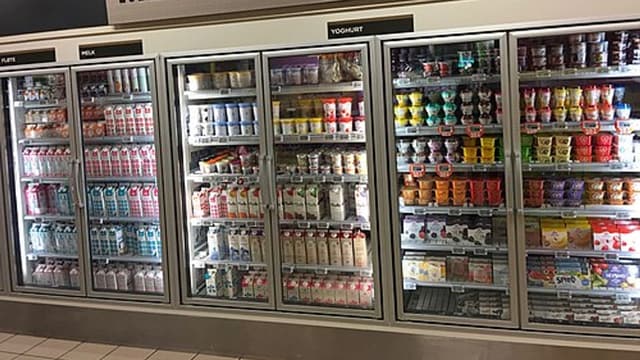
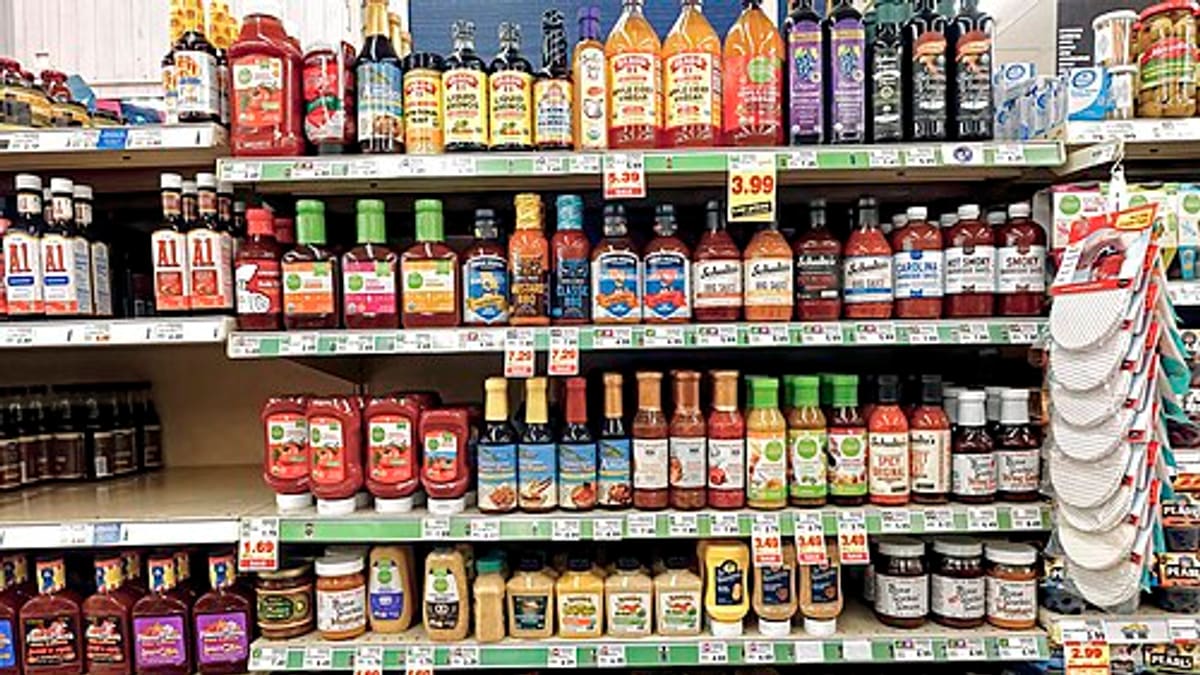
Merchandisers record shelf share, planogram compliance, stock-outs, display execution and competitor activity with photos. Audit data shows where products are under-represented and where promotions are executed well.
Attendance and productivity
Day start and end, visits, productive calls (visits with orders), lines per call and order value give a clear picture of productivity. Managers coach based on data rather than impressions.
Distributor visibility
For manufacturers, secondary sales (distributor to retailer) are a key demand signal. When distributor reps use the same app, manufacturers see secondary sales by product and region, improving forecasting and planning. See demand forecasting.
New outlet onboarding
Reps add new outlets with location, photos and details, expanding distribution. Outlet data quality improves when captured at the source.
A practical rollout
Start with beat plans, order taking and attendance for one region, add collections and schemes, then merchandising audits and distributor visibility.
Common problems this software solves
- Orders delayed by manual re-entry.
- Beats skipped without anyone knowing.
- Unauthorised discounts.
- No visibility of shelf execution.
- Secondary sales unknown to the manufacturer.
KPIs to track
- Beat adherence.
- Productive calls percentage.
- Lines per call and order value.
- Outlet coverage.
- Collection efficiency.
Corposol builds field sales and merchandising apps. Talk to us.
Retailer onboarding and data quality
Retail distribution depends on accurate outlet data: location, category, size, contact, buying potential. Capturing new outlets with GPS and photos at the point of visit — and validating duplicates — builds a clean outlet universe. Clean data makes beat planning, targeting and territory design far more effective than lists inherited from distributors.
Visibility and display execution
Companies invest heavily in displays, shelf space and point-of-sale materials. Merchandiser photos and audit data show whether investments are executed in the market: are displays installed, stocked and visible? Linking display investment to sales in those outlets helps decide where future investment pays back.
Van sales and route accounting
In some markets, reps sell directly from vans: loading stock in the morning, selling and invoicing at outlets, collecting cash and reconciling at the end of the day. A van sales module with stock in the vehicle, on-the-spot invoicing and end-of-day reconciliation prevents stock and cash discrepancies.
Incentives that drive the right behaviour
Sales incentives tied to the right metrics — productive calls, new outlets, focus products, collection efficiency — guide reps' daily choices. Showing reps their progress against incentive targets in the app keeps motivation high and reduces disputes at month end.
Frequently asked questions
Can sales reps take orders offline?
Yes. Reps take orders at retailers without connectivity, and orders sync to the distributor or warehouse when back online.
Can beat plans be assigned and tracked?
Yes. Beat plans define which retailers each rep visits on which days, and actual visits are tracked with GPS check-ins.
Can merchandisers record shelf photos and audits?
Yes. Shelf share, planogram compliance, stock levels and display photos are recorded per outlet.
Can schemes be applied to orders automatically?
Yes. Active schemes and discounts are applied based on products, quantities and retailer categories.
Can collections be recorded?
Yes. Payments collected are recorded with receipts, and outstanding balances are visible to reps.
Can managers see sales and visit performance?
Yes. Dashboards show visits, productive calls, order value, lines per call and target achievement by rep and territory.
Can van sales be reconciled at the end of the day?
Yes. Stock loaded, sold, returned and cash collected are reconciled per van daily, preventing stock and cash discrepancies.
Can reps see incentive progress?
Yes. Reps see their progress on productive calls, focus products, new outlets and collections, which keeps motivation high and reduces month-end disputes.
Can display investments be checked in outlets?
Yes. Merchandiser photos and audits confirm whether displays and materials are installed and stocked, helping evaluate display investments.
Can territory performance be compared?
Yes. Dashboards compare territories on coverage, productive calls, order value and growth, helping managers allocate effort and design better territories.
Can competitor activity be recorded?
Yes. Merchandisers record competitor promotions, prices and displays with photos, giving marketing teams timely market intelligence.
Can orders be routed to the right distributor automatically?
Yes. Each retailer is mapped to its distributor, so orders taken by reps are routed to the correct distributor or warehouse without manual sorting, and the rep can see dispatch status later.
Can new products be pushed to reps for focus selling?
Yes. Focus products and launch schemes can be highlighted in the app with targets, so reps prioritise them during visits.