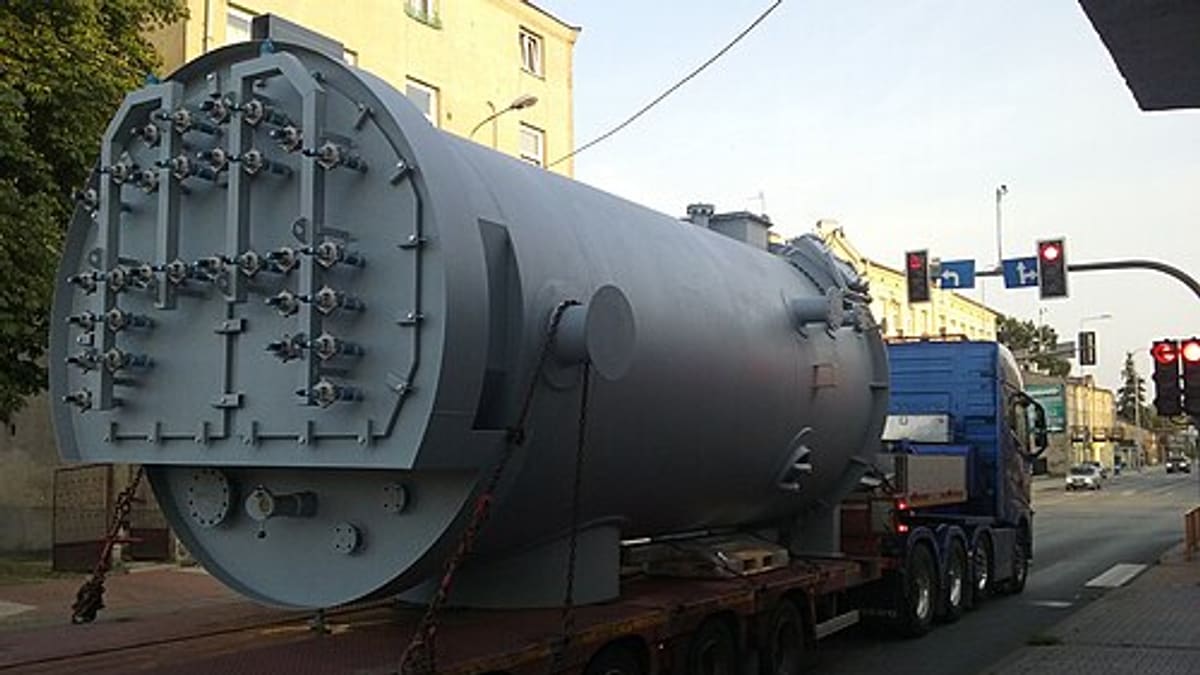
Boilers and thermic fluid heaters power many industries — food processing, textiles, pharmaceuticals, chemicals, hospitals, hotels and laundries. They operate under pressure and high temperature, so maintenance is about safety as much as efficiency. Boiler service companies and industrial maintenance contractors must manage preventive maintenance, water treatment, burner tuning, safety device checks, breakdowns and statutory inspection schedules across many customers. Paper logbooks and memory are not enough when the stakes are this high.
The boiler service workflow
- Installation and commissioning — boiler registered with specifications, certificates and commissioning readings.
- Daily operation — operator logs of pressures, temperatures, water levels, blowdown and fuel.
- Preventive maintenance — weekly, monthly and annual tasks.
- Water treatment — testing and chemical dosing.
- Burner and combustion tuning.
- Safety device testing — safety valves, low-water cut-offs, pressure switches.
- Statutory inspections and certificate renewals.
- Breakdowns and repairs.
Boiler register
Each boiler is recorded with customer, location, type (fire tube, water tube, thermic fluid, steam generator), make, model, capacity, design pressure, fuel, serial and registration numbers, installation date and certificate details. Burners, pumps, feed water systems, economisers and water treatment plant are recorded as components.
Operator logs
Daily logs — steam pressure, water level, feed water temperature, stack temperature, fuel consumption, blowdown and chemical dosing — are often kept on paper by customer operators. A simple mobile log with abnormal-value alerts improves discipline and gives service engineers trend data before they visit.
Preventive maintenance
Checklists by boiler type cover tube cleaning and inspection, refractory condition, gaskets and manholes, feed pump and valves, burner components, controls and interlocks, safety valve operation, water level controls, and electrical panels. Annual shutdown maintenance is planned as a project with tasks, materials and inspection points.
Water treatment
Poor water treatment causes scaling, corrosion and tube failures. Recording feed water and boiler water tests — TDS, hardness, pH, alkalinity — and chemical dosing per visit, with acceptable ranges, helps catch problems early. Trends across months show whether the treatment programme is working.
Combustion tuning
Burner tuning improves efficiency and reduces emissions. Recording flue gas readings — oxygen, carbon monoxide, stack temperature — and adjustments made at each tuning visit shows efficiency trends and gives customers evidence of fuel savings.
Safety devices
Safety valves, low-water cut-offs, pressure switches and flame safeguards protect people and plant. Test records with dates, results and technician names are essential evidence. The software schedules tests and flags overdue ones.
Statutory inspections
Boilers are typically subject to periodic statutory inspections and certificate renewals under local rules. Tracking due dates, preparing documentation and recording inspection outcomes and observations — with follow-up actions — avoids last-minute rushes and unplanned shutdowns. Compliance itself remains with the boiler owner and depends on the inspection outcome.
Breakdowns
Boiler breakdowns stop production. Priority rules, SLA tracking and fast dispatch of qualified engineers matter. Recording causes — feed pump failure, burner lockout, tube leak — builds knowledge for preventing recurrence.
Spare parts
Gaskets, burner nozzles, electrodes, photocells, pump seals, valves and controls are tracked in stock and with engineers. Annual shutdown materials are planned in advance.
A practical rollout
Begin with the boiler register and inspection due dates — the highest-risk gap for most service companies. Add the engineer app with preventive and safety checklists, then water treatment and combustion records. Customer operator logs and portals can follow, giving customers daily visibility and giving you the data to advise them better.
Common problems this software solves
- Inspection and certificate dates missed.
- Safety device tests undocumented.
- Water treatment problems found only after tube damage.
- No efficiency history to justify tuning or upgrades.
- Operator logs incomplete or illegible.
KPIs to track
- Inspections and safety tests completed on time.
- Boiler availability and breakdown frequency.
- Water quality within limits.
- Combustion efficiency trend.
- AMC renewal rate.
Corposol builds boiler service software. Talk to us.
Thermic fluid heaters
Thermic fluid heaters need their own care: fluid condition testing, expansion tank levels, circulation pump checks, flow and temperature differentials, and burner maintenance. Recording fluid test results over time shows degradation and supports timely fluid replacement, avoiding coil damage and fire risk.
Annual shutdown planning
Annual boiler shutdowns for inspection and major maintenance must be coordinated with the customer's production plan. Planning the shutdown as a project — tasks, materials, contractors, inspection appointments and recommissioning checks — and tracking progress daily helps complete it within the agreed window.
Frequently asked questions
Can statutory inspection dates be tracked?
Yes. Inspection and certificate due dates per boiler are tracked with reminders to both your team and the customer, so renewals are planned rather than rushed.
Can operators' daily logs be captured?
Yes. Customer operators or your staff can record pressures, temperatures, water levels, blowdown and fuel readings on a mobile app with alerts for abnormal values.
Can burner tuning and flue gas readings be recorded?
Yes. Combustion readings such as oxygen, CO and stack temperature can be recorded at each tuning visit and compared over time.
Can water treatment test results be stored?
Yes. TDS, hardness, pH and chemical dosing records are stored per boiler, highlighting trends that cause scaling or corrosion.
Does the software make boilers compliant with regulations?
No. It keeps maintenance and inspection records organised and reminds you of due dates; compliance depends on the boiler's condition, the work done and applicable rules.
Can we manage both steam boilers and thermic fluid heaters?
Yes. Each equipment type has its own checklists, readings and maintenance schedule within the same system.
Can annual shutdowns be planned as projects?
Yes. Shutdown tasks, materials, contractors and inspection appointments are planned and tracked daily so work finishes within the agreed window.
Can thermic fluid test results be tracked?
Yes. Fluid condition results are recorded over time, showing degradation and supporting timely fluid replacement before coils are damaged.