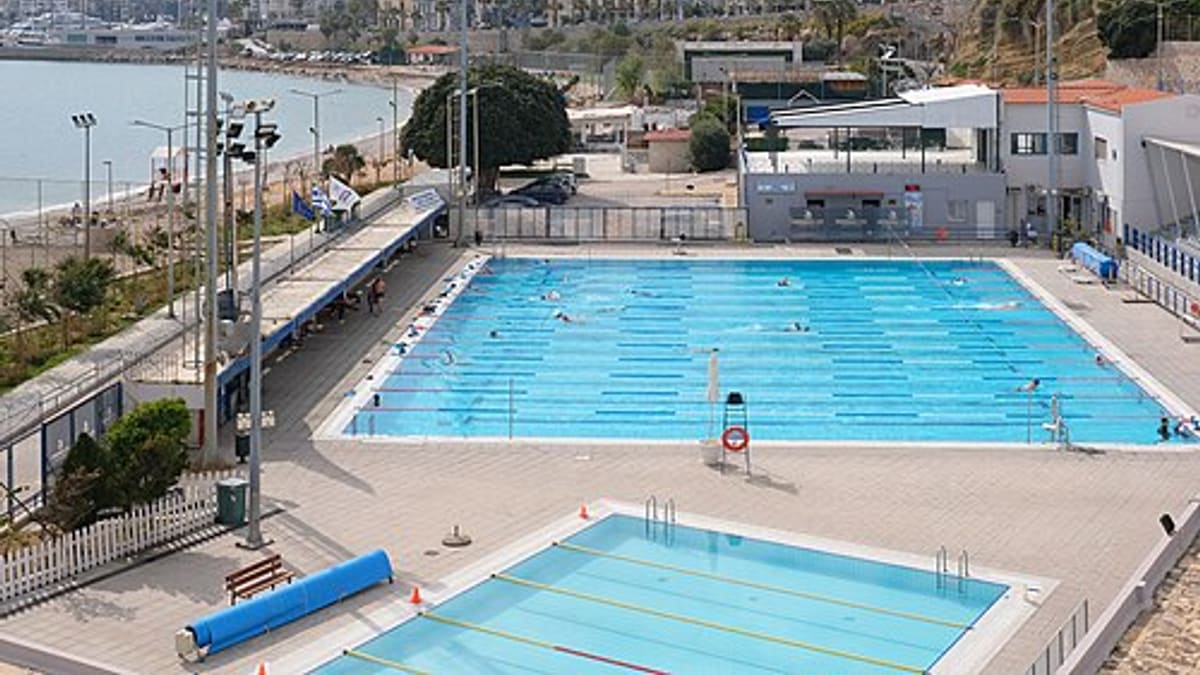
Swimming pool service companies maintain pools for homes, apartment complexes, hotels, clubs, schools and gyms. Each pool needs regular cleaning, water testing, chemical balancing and equipment care — some daily, some weekly. Water quality affects swimmer health and comfort, so records matter. Equipment failures — pumps, filters, heaters — need quick response. Managing many pools with paper logs and phone calls leads to missed visits, inconsistent chemistry and unhappy customers.
The service workflow
- Contract — pool details, visit frequency, services included.
- Route visits — cleaning, testing, dosing.
- Water testing and chemical balancing.
- Equipment checks and maintenance.
- Repairs and breakdowns.
- Reports and renewals.
Pool and equipment register
Each pool is recorded with location, type, volume, surface, filtration system, pumps, heaters, chlorinators or other sanitising systems, lighting and covers. Knowing the volume and equipment lets technicians dose chemicals correctly and carry the right parts.
Route scheduling
Pools are visited on fixed frequencies — daily for busy commercial pools, weekly for many residential pools. Grouping pools by area and frequency into daily routes keeps technicians productive and visits consistent.
Water testing logs
Each visit records water test results: sanitiser level, pH, alkalinity, hardness, and other parameters relevant to the pool. Acceptable ranges are defined per pool type, and out-of-range values are highlighted. Over time, logs show trends that help prevent problems such as algae or scaling.
Chemical dosing records
Chemicals added — sanitisers, pH adjusters, clarifiers, algaecides — are recorded with quantities. This supports billing, stock management and analysis of consumption by pool. Consistent records also help explain chemistry decisions to customers.
Cleaning checklists
Skimming, vacuuming, brushing walls, cleaning skimmer and pump baskets, backwashing filters and checking water level are recorded on a checklist with photos, so customers can see what was done.
Equipment maintenance
Pumps, filters, heaters and sanitising equipment need periodic maintenance: seals, bearings, filter media changes, heater servicing, cell cleaning. Scheduling these tasks and recording service history prevents breakdowns and supports replacement planning.
Repairs and breakdowns
Equipment failures — pumps not running, leaks, heater faults — are logged and prioritised, especially for commercial pools where closures affect business. Parts used and work done are recorded.
Commercial pools
Hotels, clubs and apartment complexes often have stricter requirements and inspection expectations. Detailed logs, test results and maintenance records support their own record-keeping; responsibility for compliance remains with the pool operator.
Customer reports
After each visit, customers receive a report with readings, chemicals added, work done and photos. Periodic summaries help commercial customers and building managers keep track.
A practical rollout
Start with the pool register, routes and the technician app with water testing and chemical records. Add equipment maintenance and repairs, then customer portals and periodic reports.
Common problems this software solves
- Inconsistent water chemistry between visits.
- Chemical usage not recorded or billed.
- Missed visits on busy days.
- Equipment failures without warning.
- Customers unsure what was done.
KPIs to track
- Visits completed on schedule.
- Readings within range.
- Chemical cost per pool.
- Equipment breakdowns per pool.
- Contract renewal rate.
Corposol builds swimming pool maintenance software. Talk to us.
Seasonal and holiday-home pools
Some pools are used heavily in certain seasons and lightly or not at all in others; holiday homes may be visited only occasionally by owners. Service plans can change frequency by season, include opening and closing procedures, and send owners photo reports so they know the pool is ready before they arrive. These small touches differentiate a professional pool service from a casual one.
Managing chemical stock safely
Pool chemicals must be stored, transported and handled carefully. Tracking chemical stock in the warehouse and in vehicles, recording issues per pool and keeping safety information accessible to technicians supports safe practice. Consumption trends by pool can also reveal problems such as leaks, poor circulation or equipment faults that cause excessive chemical use.
Growing with apartment complexes and hotels
Apartment complexes and hotels value reliable service and clear reporting for their residents and guests. Consistent visit logs, test results and quick breakdown response — documented in monthly reports — make renewals easier and help win referrals within property management networks.
Frequently asked questions
Can technicians record water test results on each visit?
Yes. pH, chlorine or other sanitiser levels, alkalinity, hardness and other parameters are recorded with acceptable ranges, and out-of-range values are highlighted immediately.
Can chemical usage be tracked per pool?
Yes. Chemicals added are recorded per visit and pool, supporting billing, stock control and analysis of consumption patterns.
Can hotels and clubs get compliance-style reports?
Yes. Visit logs, test results and maintenance records can be compiled into periodic reports for their own records; compliance remains the operator's responsibility.
Can pumps and filters be maintained on schedule?
Yes. Pumps, filters, heaters, chlorinators and other equipment are registered with maintenance schedules and service history.
Can customers see photos of their pool after service?
Yes. Before-and-after photos and readings are included in the visit report sent to the customer.
Can routes be planned for daily visits?
Yes. Pools are grouped by area and visit frequency, and daily routes are generated for technicians.
Can visit frequency change by season?
Yes. Service plans can increase or reduce visit frequency by season and include opening and closing procedures, with owners notified automatically.
Can chemical stock in vehicles be tracked?
Yes. Chemicals in the warehouse and in each vehicle are tracked, with usage recorded per pool and reorder alerts when stock runs low.
Can breakdowns at commercial pools be prioritised?
Yes. Pools at hotels, clubs and apartment complexes can carry higher priority, so pump or filtration failures are attended quickly and closures are kept as short as possible.