
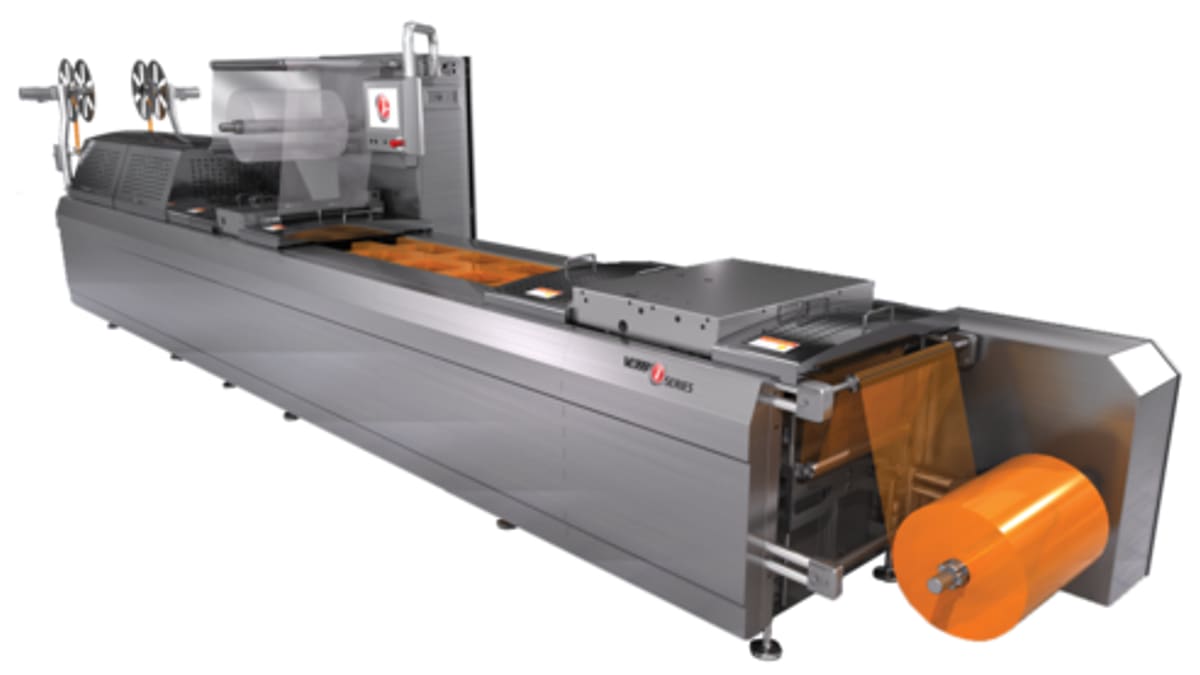
Packaging machinery — fillers, cappers, labellers, form-fill-seal machines, cartoners, case packers, wrappers and palletisers — sits at the end of production lines in food, beverage, pharma, cosmetics and FMCG plants. When a packaging machine stops, finished product backs up and the whole line stops. Packaging machinery manufacturers and service providers support installed machines across many customers, often with remote support, spare parts sales and service contracts.
Installed machine register
Each machine shipped is recorded with customer, line, model, serial number, configuration, formats supported, controller and software version, installation date and warranty. As-built drawings, manuals and spare parts lists are attached. When the customer calls, the service team knows exactly what was supplied.
Installation and acceptance
FAT and SAT records — tests performed, results, punch points and sign-offs — are stored per machine. Commissioning parameters and settings for each format provide a baseline for future troubleshooting.
Format parts and changeovers
Packaging machines run many product formats, each requiring change parts. Tracking format parts per machine — condition, wear, location — helps customers maintain fast changeovers and order replacements before parts fail. See SMED guide.
Breakdown support
Breakdown calls affecting running lines are prioritised. Remote diagnosis — guiding the customer's technician by phone or video, or connecting to the machine where permitted — resolves many issues quickly. On-site visits are recorded with diagnosis, parts and settings changed.
Spare parts sales
Spare parts are a major revenue stream for machinery OEMs. A spare parts list per machine, recommended spares kits and an ordering portal make it easy for customers to order the right parts, and help the OEM forecast demand.
Preventive maintenance
Preventive visits check wear parts, sealing jaws, cutting knives, nozzles, sensors, pneumatics, drives and safety guards. Scheduled under service contracts, they reduce breakdowns and demonstrate value.
Software versions and backups
Machine controllers and HMIs have software that is updated over time. Recording versions and backups per machine prevents confusion and supports restoration after failures.
Service contracts
Contracts define preventive visits, response times, remote support hours and parts discounts. The software tracks entitlement and usage, schedules visits and reminds before renewal.
A practical rollout
Start with the installed base and documentation for recent machines, add breakdown and remote support logging, then spare parts portals and service contracts.
Common problems this software solves
- Service team unsure what configuration was shipped.
- Customers ordering wrong spare parts.
- Remote support work unrecorded.
- Format parts lost or worn out.
- Service contract value unclear.
KPIs to track
- Remote resolution rate.
- On-site response time.
- Spare parts revenue per installed machine.
- Repeat breakdowns by model.
- Service contract attach rate.
Corposol builds packaging machinery service software. Talk to us.
Customer line performance reviews
Packaging machinery customers care about line efficiency — output per shift, changeover time, waste and stoppages. When OEM service teams collect breakdown and stoppage data from their machines (from service records and, where machines support it, from machine data), they can offer periodic performance reviews: top stoppage causes, wear part consumption, format change times and recommended improvements. This turns service from reactive repair into continuous improvement support and differentiates the OEM from competitors.
Global installed base and local partners
Many machinery manufacturers sell internationally through local agents. A shared installed-base system lets the manufacturer see machines, service history and spares orders across countries, while local partners handle service. Consistent records support warranty decisions and help identify design improvements from field data.
Upgrades and retrofit kits
New features — faster formats, additional sensors, improved safety guarding, updated controls — can often be retrofitted to existing machines. Knowing each machine's configuration and software version makes it easy to identify customers who would benefit and to quote retrofit kits accurately.
Frequently asked questions
Can format parts per product be tracked per machine?
Yes. Format parts and change parts for each product size are recorded per machine, with their condition and location.
Can installation and FAT/SAT records be stored?
Yes. Factory and site acceptance test results, punch lists and sign-offs are recorded per machine.
Can customers order spares online?
Yes. A customer portal can show the machine's spare parts list and allow orders for the right parts.
Can remote support be logged?
Yes. Remote diagnostics and guidance sessions are recorded with outcomes, supporting service contract reporting.
Can we track machine software versions?
Yes. Controller and HMI software versions and backups are recorded per machine.
Can breakdowns be prioritised for running production lines?
Yes. Calls affecting running lines carry higher priority with SLA tracking.
Can local agents in other countries use the same system?
Yes. Agents and partners get access to their own regions' machines and customers, while the manufacturer sees the full installed base, service history and spares orders across all countries for warranty and design decisions.
Can we identify machines eligible for retrofit kits?
Yes. Because each machine's configuration and software version are recorded, customers whose machines would benefit from new features or safety upgrades can be listed and quoted accurately.
Can we offer line performance reviews?
Yes. Stoppage causes, wear part consumption and format change times from service records — and machine data where available — can be summarised into periodic reviews with recommendations for the customer's production team.
Can recommended spares kits be offered at commissioning?
Yes. Recommended spares kits per model can be quoted at commissioning and stocked at the customer's site, reducing downtime for common wear parts during the first years of operation.
Can sealing jaw and knife wear be tracked?
Yes. Wear parts such as sealing jaws, knives and nozzles are recorded per machine with replacement dates, helping plan replacements before quality problems appear.
Can machine software versions be compared across the installed base?
Yes. Versions are recorded per machine, so service teams can see which machines need updates and which customers are affected by a known software issue.


