
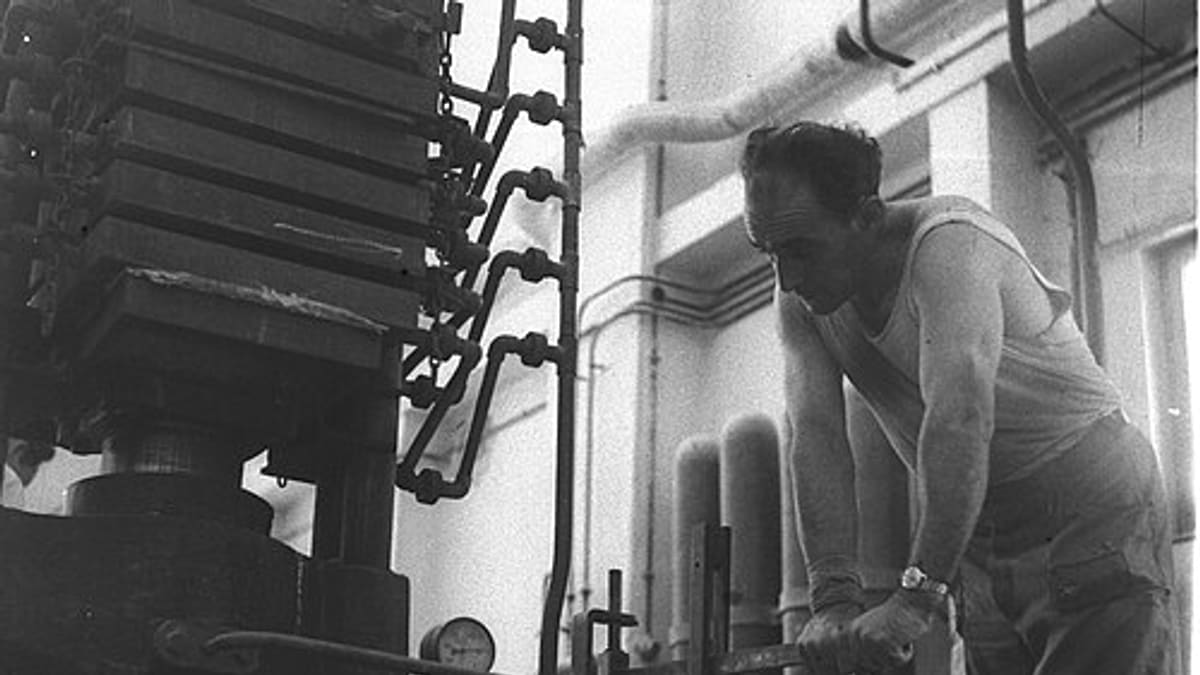
Managers spend most of their time in offices and meetings, looking at reports about the shop floor. Reports tell you what happened — output, scrap, downtime — but rarely why. The why lives on the floor: a fixture that's awkward to load, material delivered in the wrong containers, an instruction that doesn't match the current drawing, an operator waiting for a forklift. A gemba walk is a regular, structured visit to the place where work happens, to see and understand it directly.
What a gemba walk is — and isn't
A gemba walk is:
- Going to see the actual work, not a presentation about it.
- Asking questions and listening to the people who do the work.
- Looking for problems in the process, not faults in people.
- Showing respect and support for the team.
A gemba walk is not:
- An inspection or audit to catch people out.
- A tour for visitors.
- A chance to give instructions or solve every problem on the spot.
If operators dread the manager's visit, it's not a gemba walk.
Plan the walk
Unplanned wandering produces little. Choose a theme or focus for each walk:
- Safety — hazards, near misses, ergonomics.
- Quality — how checks are done, where defects come from.
- Flow — where material waits, where people wait.
- A specific process or line with recent problems.
- Follow-up on actions from previous walks.
Decide the route and time, and let the area supervisor know — the goal is learning, not surprise.
What to observe
- The work itself — watch a full cycle. Is it smooth? Are there awkward motions, searching, walking, waiting?
- Standards — are work instructions available, current and followed? If not, why?
- Visual management — can you tell at a glance whether the area is on plan, what problems exist and what actions are open?
- Material — where is it waiting, how much, is it labelled, is it the right material?
- Equipment — leaks, noises, temporary fixes, missing guards.
- Safety — PPE, walkways, housekeeping, ergonomic strain.
Questions to ask
Open, respectful questions get the best information:
- "Can you show me how this job is done?"
- "What makes this job difficult?"
- "What problems did you have this week?"
- "What would make your work easier?"
- "How do you know you're on track for the shift?"
- "What happens when something goes wrong here?"
- "What's stopping us from fixing that?"
Avoid questions that sound like blame: "Why didn't you…?" Listen more than you talk, and thank people for their time.
Record observations
Write down what you see and hear — briefly, during or right after the walk. Note observations, ideas from operators and questions that need answers. Photos help, with permission. Group observations by theme.
Follow up — this is where trust is built
A walk that produces no action teaches people that talking to managers is pointless. After each walk:
- Agree actions with the area supervisor — who will do what, by when.
- Escalate issues the area can't solve itself — budget, other departments, equipment.
- Tell the people who raised issues what is being done.
- Review open actions on the next walk.
Many plants link gemba walk actions to the same action list used in tier meetings, so nothing gets lost.
Building the habit
- Put walks in the calendar like any important meeting.
- Start small — one walk a week for senior managers, short daily walks for supervisors.
- Walk with others occasionally — a quality engineer, a maintenance manager — to see through different eyes.
- Coach supervisors to walk the same way.
- Review patterns monthly: what themes keep appearing?
An example
A plant manager at an automotive components supplier started weekly gemba walks, each with a theme. On a flow-themed walk, operators at a machining cell explained that they regularly waited for inspection approval after tool changes because the inspector covered three areas. The manager and quality team trained cell leaders to perform first-off checks with a defined gauge set, with periodic verification by quality. Waiting after tool changes fell significantly, and operators raised more ideas on later walks because they had seen action.
Common mistakes
- Walking without a purpose.
- Using the walk to criticise.
- Talking instead of observing and listening.
- No follow-up on what was raised.
- Walks cancelled whenever the calendar gets busy.
How software helps
Digital shop-floor systems can record gemba observations with photos on a phone, link them to areas and lines, assign actions and show their status, alongside production, downtime and quality data that help managers prepare. See shop-floor management software.
Talk to us about connecting shop-floor observations to action.
Gemba walks across shifts
Night and weekend shifts often see managers rarely, yet they face the same problems with less support. Walking occasionally at the start of a night shift or on a weekend shows those teams they matter and reveals problems day managers never see — maintenance coverage, material shortages, unclear handovers.
Measuring the practice
Track walks completed against plan, observations raised, actions closed on time and the share of actions that came from operator suggestions. These simple measures keep the habit alive and show whether walks are producing improvement rather than just conversation.
Frequently asked questions
What does gemba mean?
Gemba is a Japanese word meaning 'the real place' — in manufacturing, the shop floor where value is created.
Is a gemba walk the same as an audit?
No. An audit checks compliance against a standard. A gemba walk is about understanding the work, the problems people face and how leaders can help.
How often should managers do gemba walks?
Many plant managers aim for at least one structured walk a week, with supervisors walking their areas daily.
Should managers fix problems during the walk?
Usually not on the spot, except for safety issues. The aim is to understand, ask questions and support the team to solve problems, with follow-up actions.
How long should a gemba walk take?
Thirty to sixty minutes is typical. Short, regular walks are better than rare, long ones.


